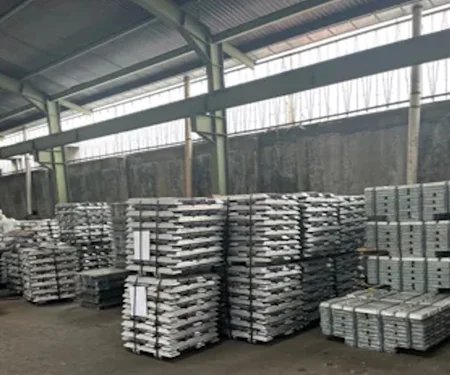
Intel, Ford, Dell warn Trump: New 12.5% tariffs may slow US domestic production aims
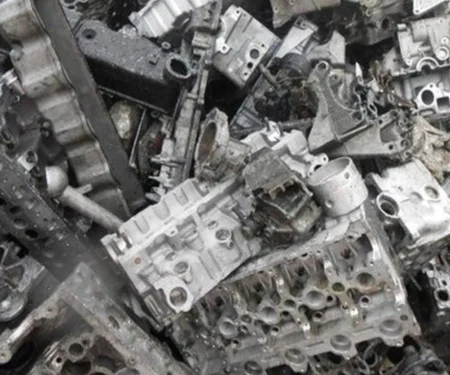
Stock image for referential purposes only
Several leading US manufacturers, including Intel, Dell Technologies, Ford and Honeywell Aerospace, have urged the Office of the United States Trade Representative (USTR) to reconsider its call for an additional tariff imposition of up to 12.5 per cent on imports from around 60 countries, including India.
The companies argue that the proposed duties could raise production costs, weaken manufacturing competitiveness, eventually increasing prices for businesses and end-users.
The global aluminium casting usage is expected to reach 24.2 million tonnes in 2026. To learn about the future market trends, prebook our upcoming report “Global Aluminium Casting Market 2026-2032”
Intel and Dell’s warning: A fading US manufacturing industry
The recently proposed tariff framework forms part of the US administration's broader strategy to strengthen domestic manufacturing and reduce reliance on overseas supply chains. However, several companies contend that higher import costs on critical industrial inputs may have the opposite effect.
Intel believes that this measure would make domestic manufacturing much more expensive than encouraging local production.
“The practical effect would be to make it more expensive to build in America than to build elsewhere, which runs directly counter to the administration's goal of expanding domestic manufacturing,” the company noted.
Dell Technologies echoed similar concerns, urging the implementation of regulations that would effectively reinforce industrial growth without causing supply chain disruptions.
The company stated, “Dell wants to express the importance of leveraging policy tools that achieve the administration's laudable goals without rapidly increasing production and end-user costs or risking operational delays of key products and components.”
Ford backs targeted exemptions
Ford Motor Company supported exemptions for four product categories already covered under Section 232 tariffs, where import duties of up to 50 per cent are already in place.
According to Ford, overlapping tariffs by applying additional Section 301 tariffs on the same products would impose “excessive and overly burdensome costs on US auto manufacturing” without addressing concerns related to forced labour.
IBM, Dow Chemicals Thailand and GE Appliances (at present part of Haier) also expressed reservations over the proposal, joining a growing list of companies calling for product-specific exemptions to minimise disruption to US manufacturing operations.
Companies seek exemptions for critical inputs
Honeywell Aerospace highlighted the US industry's continued dependence on imported critical minerals, rare earth elements, speciality metals, semiconductors, displays and other high-value aerospace components.
According to the company, imposing “...a tariff would primarily increase the cost of maintaining and producing aerospace products rather than accelerate a feasible sourcing transition.”
Similarly, De Beers argued that “… additional duties on natural diamonds would function primarily as a cost increase for US manufacturers, retailers, and consumers rather than encouraging domestic upstream substitution.”
Unlock key insights from leading companies and experts across the aluminium ecosystem with our e-Magazine - Mine to Market: ALuminium Producers & Manufacturers 2026
Trump’s tariff objective stays strong
As the manufacturers push for relaxing the stringent market measures to reduce impact on the domestic US market, President Trump appears keen on lifting the tariff bar even higher to “a 25 per cent tariff… 35 per cent sometimes… sometimes a 100 per cent, 200 per cent, depending on what the product is.”
Citing the Oklahoma aluminium plant project, Toyota’s Tacoma pickup truck production plans in Texas and other such domestic investment plans, Trump suggested the effectiveness of the tariffs that prompt manufacturers to set up facilities within the country to avoid paying a heftier price.
LME aluminium price on the rise: Cash, 3-month gain 1%; stocks dip further to 290,825t
Next articleChina Hongqiao expects higher first-half profit on stronger aluminium alloy prices
Grow with
AL Circle