India’s aluminium recyclers face a scrap-supply bottleneck
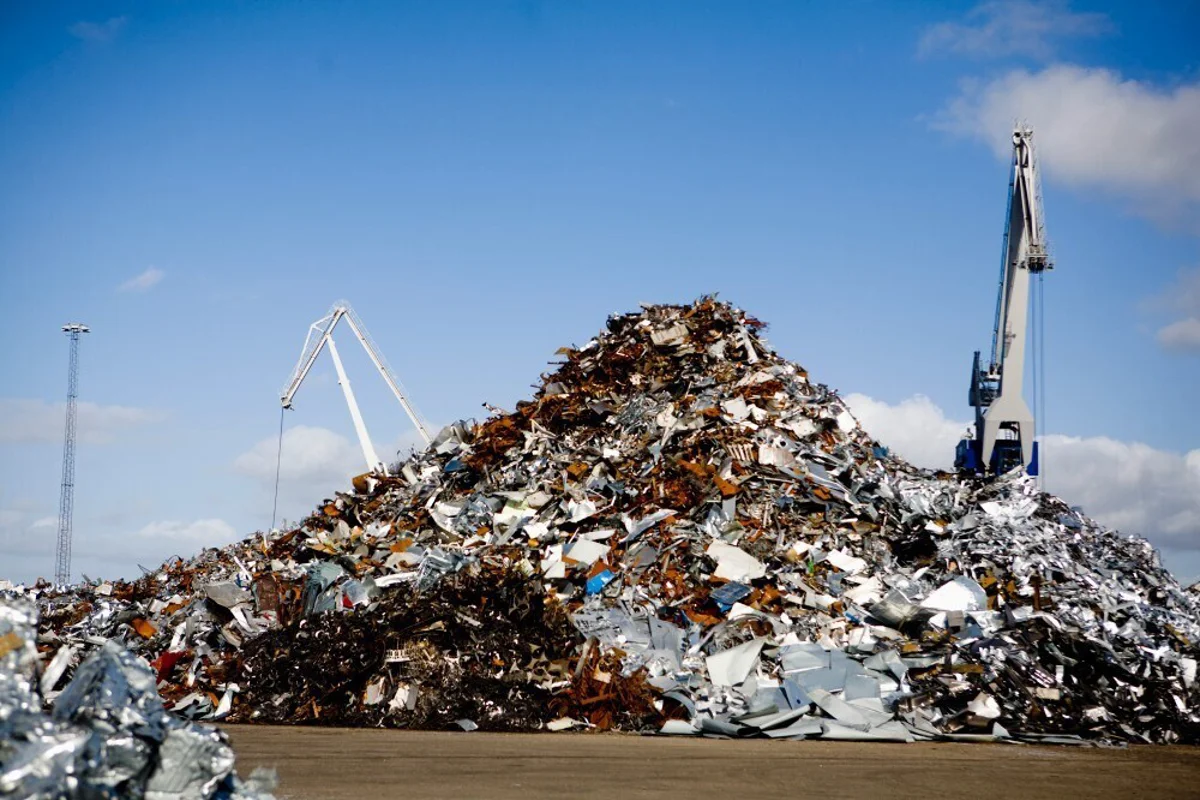
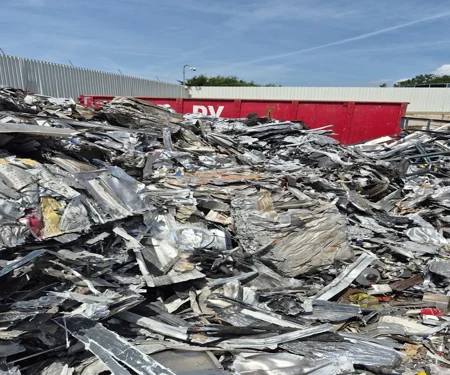
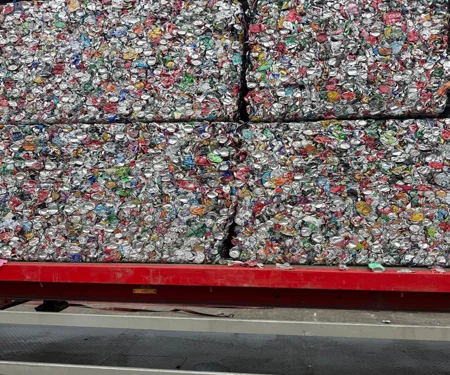
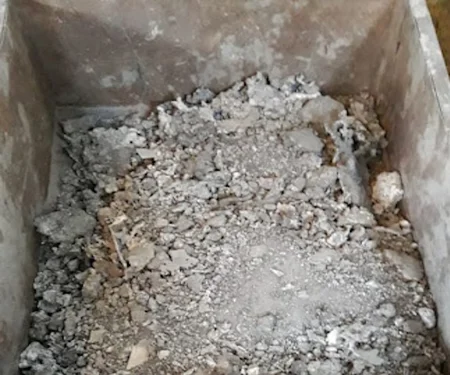
Stock image for referential purposes only
India’s rapidly expanding secondary aluminium industry is facing a shortage of domestic scrap, leaving recyclers dependent on overseas suppliers and vulnerable to changing trade policies in major exporting regions.
Secondary aluminium production has increased from approximately 0.85 million tonnes in 2015–16 to nearly 2.2 million tonnes in 2025–26, according to industry estimates cited by the Material Recycling Association of India. The sector now supplies around 35 per cent of India’s aluminium consumption, but imports account for roughly 80 per cent-85 per cent of its scrap requirements.
The imbalance is prompting recyclers and primary aluminium producers to push competing policy proposals on the 2.5 per cent basic customs duty applied to imported aluminium scrap.
Domestic scrap cannot meet demand
India’s secondary producers have expanded faster than the country’s domestic scrap-collection base. Aluminium scrap is generated when products such as vehicles, building materials, packaging and electrical goods reach the end of their useful lives, but India’s historically low per-capita aluminium consumption means that the domestic stream remains limited.
The source article estimates India’s historical per-capita aluminium consumption at 3.3 kilograms, compared with a global average of 16 kilograms. This has restricted the volume of end-of-life aluminium available for domestic recycling and left producers reliant on imports for most of their feedstock.
Industry estimates cited by MRAI suggest that domestic scrap meets only 15 per cent-20 per cent of secondary producers’ raw-material needs. The resulting gap could persist until a larger volume of aluminium products enters India’s end-of-life cycle and collection systems become more organised.
For recyclers, the issue is not simply the availability of processing capacity. A plant can operate only if it has reliable access to suitable scrap at a competitive price.
To know the aluminium casting demand forecast in the construction sector, explore our report "Global Aluminium Casting Market 2026-2032: Plant Economics, Alloy Segmentation, Pricing Intelligence, Supply Chain Analysis & Strategic Recommendations"
Asia competes for recycled-metal capacity
India is also competing with other Asian countries to attract recycling and secondary-metal investment. Thailand and Malaysia are cited as offering duty-free access to imported scrap, giving recyclers in those markets a lower-cost input environment than Indian producers facing the 2.5 per cent basic customs duty.
The difference could influence where companies build or expand recycling capacity. A duty on imported scrap raises the landed cost of feedstock for Indian recyclers, while competing hubs may be able to source the same material without an equivalent tariff burden.
Supply conditions are becoming more important as traditional exporting regions introduce restrictions on recyclable materials. The source article says the UAE and Saudi Arabia have introduced export restrictions or taxes, while the Gulf region accounts for nearly 20 per cent of India’s aluminium scrap imports.
These measures could increase competition for available scrap, raise procurement costs and force Indian recyclers to search for suppliers in other regions.
Industry divided over import policy
The Material Recycling Association of India and the Aluminium Secondary Manufacturers Association are seeking removal of the 2.5 per cent duty, arguing that imported scrap is a raw material for domestic manufacturers rather than a finished product competing directly with primary aluminium.
The Mines Ministry has also recommended that the existing 2.5 per cent basic customs duty on aluminium waste and scrap be eliminated, although the final decision rests with the Department of Revenue.
Primary producers represented by the Aluminium Association of India have taken a different position. The association has called for the duty to remain until a Bureau of Indian Standards framework for aluminium scrap is notified and separate customs classifications are created for different scrap grades.
The association has also proposed a higher duty on lower-quality Grades 3 to 7 once those safeguards are in place. The draft standards would classify scrap based on aluminium content and set limits for metallic and non-metallic foreign material, moisture and other impurities.
The disagreement reflects two different concerns. Recyclers want lower input costs and a predictable supply of raw material, while primary producers want protection against low-grade or potentially misclassified imports entering the market.
To explore trade opportunities of secondary aluminium, visit AL Biz
Tariff debate goes beyond cost
The 2.5 per cent duty is relatively modest as a headline tariff, but its impact can be significant for businesses operating on tight margins and managing large volumes of imported feedstock. The cost can also affect working capital, procurement decisions and the competitiveness of downstream manufacturers that use recycled aluminium.
For recyclers, removing the duty could improve access to imported scrap and help Indian plants compete with duty-free Asian markets. For primary producers, however, tariff changes without quality controls could increase the risk of India becoming a destination for substandard or contaminated material.
A possible policy compromise could involve duty-free access for verified, high-quality scrap alongside stronger testing, documentation and enforcement for lower-grade shipments. Such a system would address the recyclers’ feedstock shortage while responding to concerns over quality and dumping.
Recycling growth needs a secure feedstock base
India’s secondary aluminium sector already plays a significant role in automotive, construction, packaging and other manufacturing industries. Its expansion could reduce pressure on primary aluminium production and lower the energy intensity of metal supply, but only if recyclers can secure adequate raw material.
The sector’s dependence on imported scrap means that domestic recycling growth remains exposed to foreign export policies, freight costs, currency movements and Indian tariff rules. It also means that expanding recycling capacity alone will not solve the supply problem.
India will need better collection, sorting and recovery of end-of-life aluminium products alongside a clearer import policy. Until domestic scrap generation catches up with demand, imported material will remain essential to the country’s secondary aluminium industry.
Unlock key insights from industry experts on aluminium's applications in end-user with our magazine - Sustainability & Recycling: Aluminium's Dual Commitment
More US aluminium scrap heads to Asia amid domestic supply concerns
Next articleAL Circle Analysis: Inside aluminium’s global recycling reckoning with scrap, solar and smelters
Grow with
AL Circle