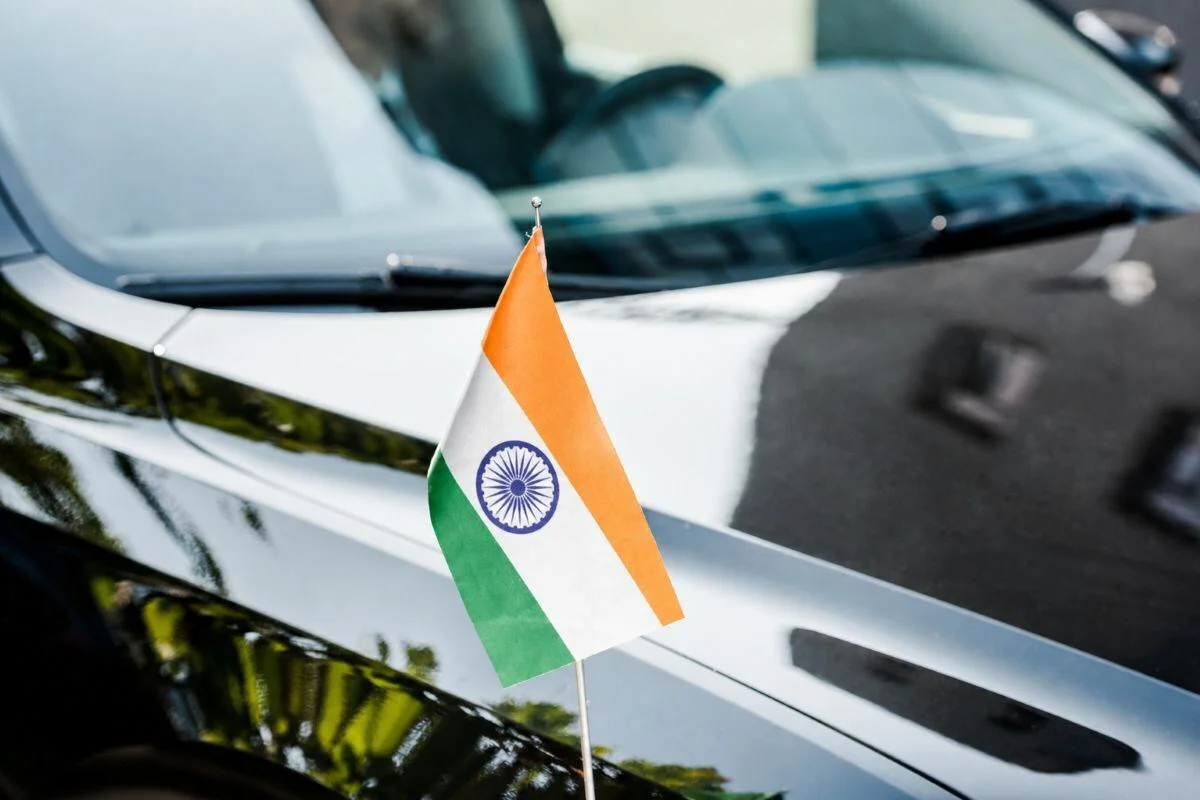
Stock image for referential purposes only
As ongoing geopolitical tensions of the Middle East conflict and the resulting inflation and shifting market dynamics bring Europe and the United States to experience a fading demand in the automotive industry, including Ford Motor Company, Stellantis, General Motors, and Volkswagen Group, auto component manufacturers eye the automotive market of India, which has been displaying robust growth. Since the 1991 de-licensing, the sector has been backed by the ‘Make in India’ initiative. The post-pandemic boom cemented India’s position as the fourth-largest player in automobile production on the global platform.
{alcircleadd}Explore- Most accurate data to drive business decisions with Global ALuminium Industry Outlook 2026 across the value chain
Although India does not remain untouched by the impacts of the Middle East conflict, which has raised significant concerns in the downstream executives and automakers of the nation, the automobile as well as the auto component industries have nonetheless remained firm and accelerated towards steady, thereby raising the demand for aluminium in the sector.
Domestic automakers have geared up for a shift in the Indian automotive industry. Tata Motors and Mahindra & Mahindra have been elaborating their electric vehicle (EV) portfolio and adding new technologies in the internal combustion (ICE) models, thereby enhancing an automobile’s electronics and safety features.
According to global auto component makers, a rising demand from Indian domestic car manufacturers for cutting-edge safety features and driver-assistance technologies has been noticed in recent times. Some of them are Swedish safety systems developer Autoliv, the American-headquartered automotive electronics technology company Visteon Corporation, and the American self-driving technologies and advanced driver-assistance systems maker Mobileye Global Incorporated.
Mikael Bratt, President and CEO of Autoliv, stated, “In India, we grew sales organically by 38 per cent, reflecting mainly the trend of increased safety content in vehicles in India, as well as the continued high level of LVP (light vehicle production) growth.”
Global automakers have also begun to eye India as a potential production base. Renault is weighing the possibilities of producing its ICEs as well as EVs in the Indian market. During his visit to India in April, Renault Global CEO Francois Provost noted, “In India, we have a great ambition: make it one of Renault brand’s top three markets worldwide by 2030 and attain a market share of 5 per cent,” considering importing from India worth EUR 2 billion (USD 2.34 billion) by 2030.
According to figures from the International Organisation of Motor Vehicle Manufacturers, vehicle production across Asia–Oceania rose 7.6 per cent in 2025 over the previous year, while output in Europe and the Americas declined by 0.8 per cent and 2.1 per cent, respectively.
…and so much more!
SIGN UP / LOGINResponses