Hyundai Glovis plans to give scrapped cars a second life through recycling to meet EU recycling targets
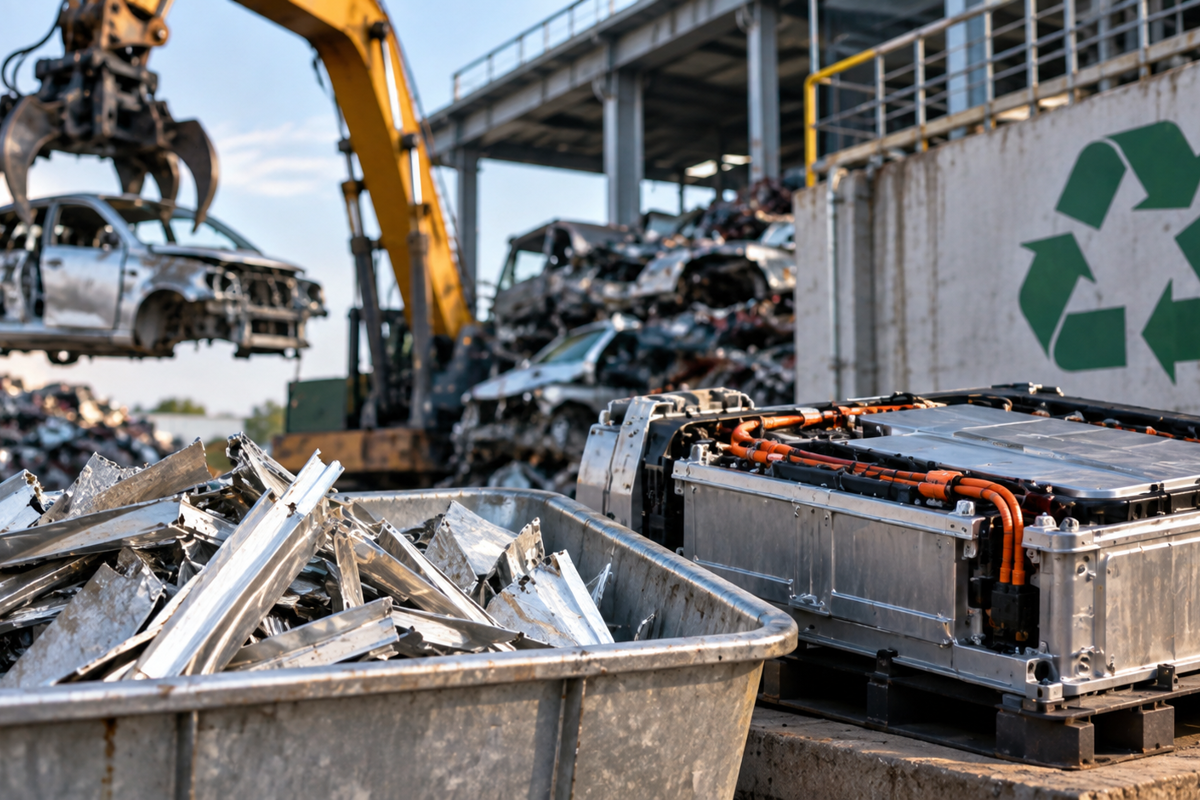
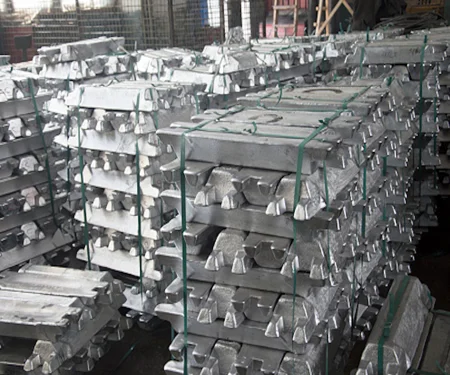
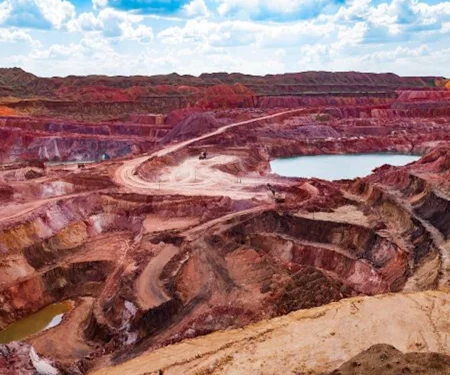
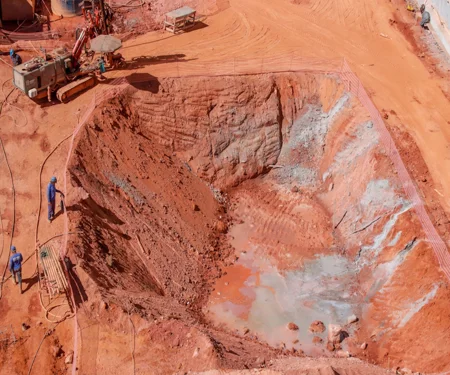
The image used in this article is generated with an AI tool and does not depict any real-time moment
South Korea's Hyundai Glovis is partnering with the country's auto-dismantling industry to recover aluminium and used electric-vehicle (EV) batteries from scrapped cars, as it looks to build a supply chain for recycled raw materials. The initiative is also intended to help prepare automakers for the European Union's tightening recycled-content requirements for vehicles and batteries.
Hyundai Glovis announced on November 26 that it had signed a memorandum of understanding (MOU) with the Korea Auto Dismantling & Recycling Association on November 24 at its headquarters in Seoul. The partnership aims to strengthen South Korea's automotive resource recycling industry and establish a system that connects vehicle dismantling with the recovery and reuse of valuable materials.
Under the agreement, the two organisations will work on the safe dismantling of electric vehicles, hydrogen-powered cars and internal-combustion-engine vehicles, alongside the recovery of reusable parts and materials. They also plan to develop cooperation models to improve the efficiency of the recovered-resource supply chain and turn materials from scrapped vehicles into industrial raw materials.
To know the world's future aluminium recycling market and its growing trends, download our report: World Recycled ALuminium Market Analysis Industry Forecast
Used EV batteries and aluminium take priority
Used EV batteries are a major focus of the partnership. Hyundai Glovis will support technologies for safely removing, transporting and storing batteries, while helping manage the process through which recovered batteries enter recycling and return to industry.
The company intends to use its logistics and supply chain management (SCM) expertise to coordinate more than the collection of materials at dismantling facilities. It aims to connect recovered batteries with recyclers and buyers of recycled raw materials, creating a supply chain that links vehicle dismantling with industrial reuse.
Aluminium is another important recovery target. Electric vehicles use a higher proportion of aluminium components than conventional internal-combustion-engine vehicles, partly to reduce weight. These include battery cases, making end-of-life vehicles a potential source of recycled aluminium for future manufacturing.
Alongside aluminium, materials such as nickel, cobalt and lithium recovered during the dismantling and recycling process can also supply the automotive industry with secondary raw materials.
EU regulations strengthen the case for recycling
Under the EU Battery Regulation, from 2031 batteries will need to contain at least 16 per cent recycled cobalt, 6 per cent recycled lithium and 6 per cent recycled nickel. The requirements are expected to increase the importance of securing reliable supplies of recovered battery materials.
The EU End-of-Life Vehicles Regulation also requires at least 15 per cent recycled plastic content in vehicle manufacturing. Meanwhile, a mandatory recycled-aluminium ratio is nearing finalisation, according to the source.
Recycled materials can generate up to 70 per cent lower carbon emissions than mining virgin ore, according to the reported figures. As carbon-reduction obligations and resource-circulation rules become more demanding, access to reliable supplies of recycled raw materials is becoming an increasingly important consideration for automakers competing in Europe.
Participate in AL Circle's upcoming e-Magazine Smart ALuminium: Advancing Industrial Technologies in 2027 to showcase the advancement of technologies in aluminium recycling
Building a more organised recovery network
South Korea's vehicle-scrapping market has traditionally been dominated by small operators, which has created challenges in systematically collecting materials that require specialised handling, particularly used EV batteries.
Hyundai Glovis plans to share policy, regulatory, technological and market developments with the association and jointly explore ways to improve dismantling efficiency. The aim is to establish a more reliable system for securing recovered materials and connecting them with recyclers and manufacturers.
The arrangement could also create a commercial opportunity for Hyundai Glovis by positioning the company as an intermediary between dismantling operators, battery recyclers and manufacturers seeking recycled raw materials.
However, the initiative faces several challenges. The relatively small scale of the dismantling industry, uncertainty over the volume of batteries that can be recovered and the need to establish quality standards for recycled materials remain important issues to address.
The two organisations said the partnership was "aimed at laying the foundation for a circular economy in step with a market environment where carbon reduction has become both a company's future competitiveness and a new global standard". They added that they would "raise South Korea's automotive resource-circulation ecosystem to a global level".
The agreement gives Hyundai Glovis a route to strengthen its role in the recovery and movement of automotive materials as recycled-content requirements approach. Its success will depend on whether the partnership can build a reliable collection network and deliver recovered materials that meet manufacturers' requirements.
Looking for secondary aluminium? Explore a wide range of aluminium scrap and recycled aluminium products from global suppliers on AL Biz.
Grow with
AL Circle













_md.webp)
_md.webp)