Indian aluminium recyclers demand removal of 2.5% import duty ahead of Budget 2027-28
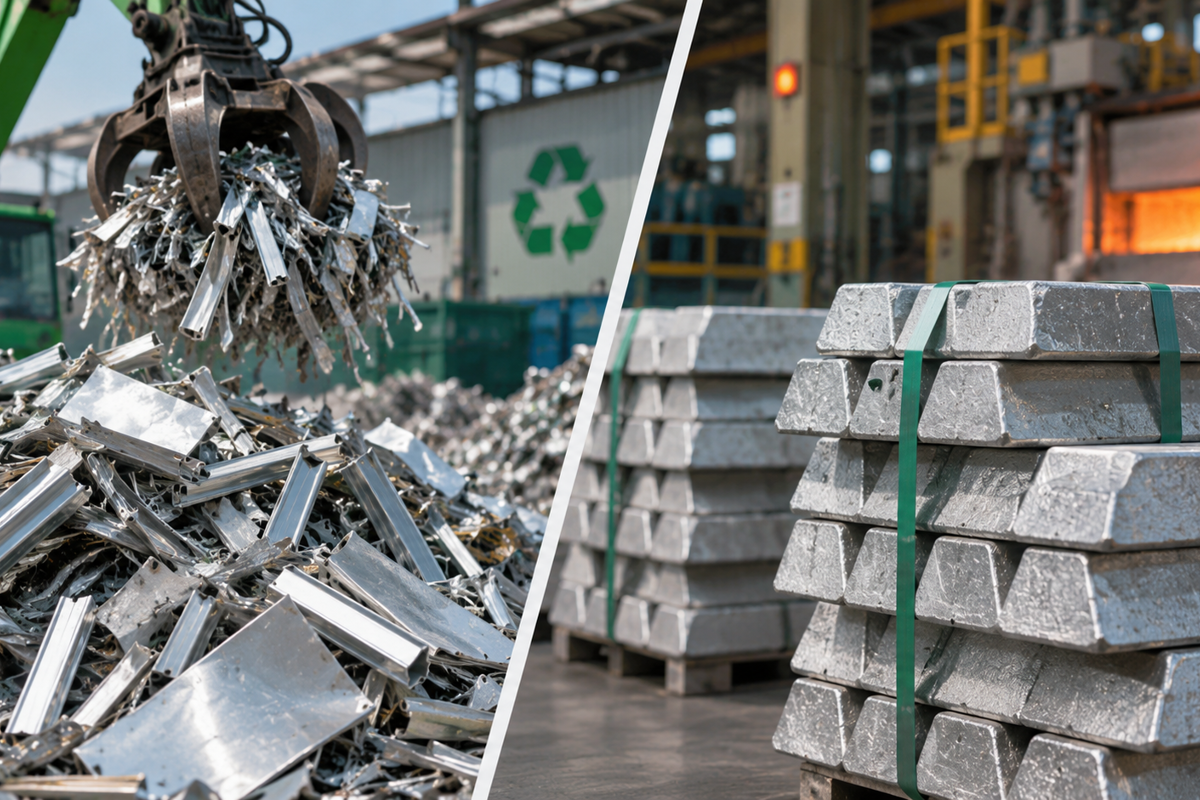
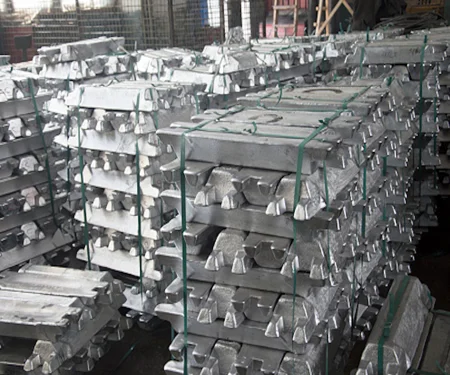
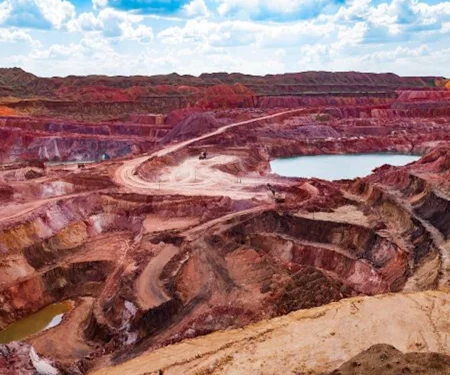
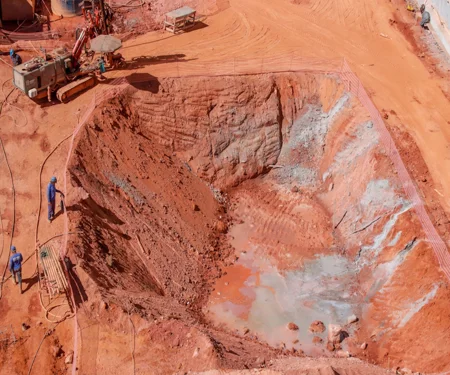
The image used in this article is generated with an AI tool and does not depict any real-time moment
India’s aluminium industry is divided over the 2.5 per cent basic customs duty (BCD) on imported aluminium scrap, with the Material Recycling Association of India (MRAI) seeking its removal to reduce input costs for recyclers, while the Aluminium Association of India (AAI) wants the levy retained or increased.
In its recommendations for the Union Budget 2027-28, MRAI has called for zero basic customs duty on imported aluminium scrap, arguing that the existing levy raises raw material costs for domestic recyclers, particularly micro, small and medium enterprises (MSMEs). The association believes the duty puts Indian recyclers at a disadvantage compared with manufacturers in countries that permit duty-free scrap imports.
The demand, however, contrasts with AAI’s position. Representing major primary aluminium producers, the association has proposed maintaining or increasing the import duty until mandatory quality controls for imported scrap are introduced.
The opposing recommendations highlight competing priorities across India's aluminium value chain, particularly over access to raw materials, import protection and domestic value addition.
To know the world's future aluminium recycling market and its growing trends, download our report: World Recycled ALuminium Market Analysis Industry Forecast
Recyclers seek lower input costs
MRAI has argued that removing the 2.5 per cent duty would help reduce the cost burden on domestic aluminium recyclers. The association represents more than 25,000 small and medium enterprises in India's recycling industry, making the cost of imported raw materials a significant concern for the sector.
According to the association, the existing levy places domestic recyclers at a disadvantage against manufacturers in countries where imported scrap can enter without customs duty. Removing the charge would lower the import cost of aluminium scrap and support the recycling industry's competitiveness.
MRAI's proposal comes as aluminium demand and imports continue to rise, with the government considering its recommendation as part of the Budget 2027-28 process.
Participate in AL Circle's upcoming e-Magazine Smart ALuminium: Advancing Industrial Technologies in 2027 to showcase the advancement of technologies in aluminium recycling
Primary producers favour retaining the levy
AAI, meanwhile, has called for the existing duty to remain in place or be increased until mandatory quality controls for imported aluminium scrap are established.
The association represents major primary aluminium producers in India, including Hindalco, Vedanta Aluminium, Nalco and Adani-IHC, among others. Its position reflects a different set of priorities from those of the recycling industry, particularly regarding the conditions governing scrap imports.
The disagreement places two sections of India's aluminium industry on opposing sides of the same policy question. While recyclers are seeking lower import costs to support their operations, primary producers want the duty retained or strengthened until quality controls are in place.
The government's consideration of MRAI's proposal puts the issue on the agenda for Budget 2027-28. The eventual decision could have implications for scrap import costs and the competing interests of recyclers and primary producers across India's aluminium value chain.
Looking for secondary aluminium? Explore a wide range of aluminium scrap and recycled aluminium products from global suppliers on AL Biz.
Grow with
AL Circle













_md.webp)
_md.webp)