Gulf aluminium producers accelerate overseas acquisitions amid geopolitical and supply chain risks
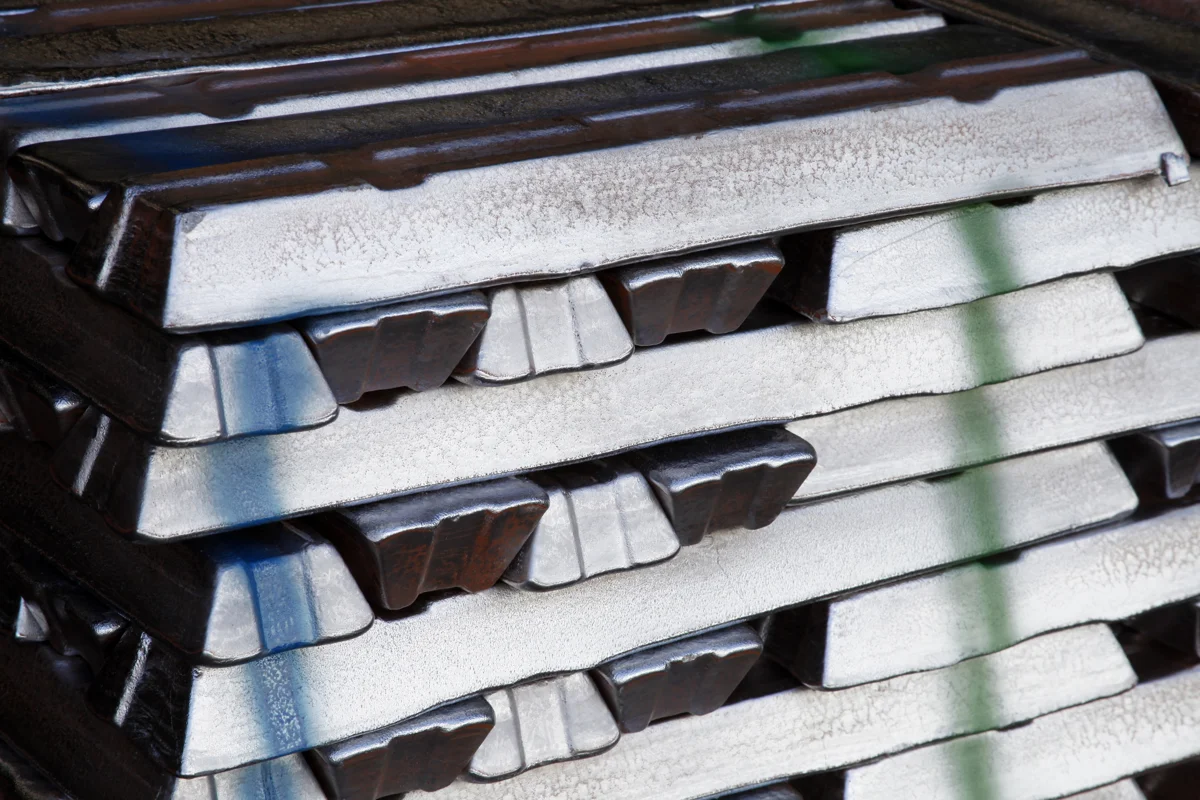
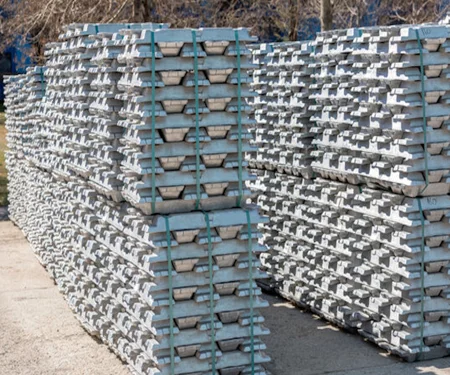
Stock image for referential purposes only
Aluminium producers in the Gulf are increasing overseas acquisitions and investments as they seek to strengthen supply chains, expand market access and reduce exposure to regional risks.
The trend comes as geopolitical tensions in the Middle East and disruptions around the Strait of Hormuz highlight the vulnerability of regional supply chains. Gulf producers currently account for close to 10 per cent of global aluminium output.
The expansion drive also coincides with expectations of rising global aluminium demand. Industry forecasts project demand to exceed 92 million tonnes by 2031, supported by growth in electric vehicles, renewable energy infrastructure and sustainable packaging.
According to Jamal Banoun, manager of the Riyadh-based SMS Economic Consulting Centre, overseas acquisitions provide Gulf smelters with access to key consumer markets, lower logistics costs and improved supply security.
“Buying overseas low-carbon or renewable-powered assets also helps them protect market share and maintain access for green aluminium,” he said.
To know the long-term bauxite market forecast, book our report: “Global Bauxite & Alumina Market Forecast to 2036: Supply–Demand, Trade Flows & Price Outlook”
Overseas acquisitions gather pace
One of the largest recent transactions was announced by Aluminium Bahrain (Alba), which acquired Aluminium Dunkerque, the European Union’s largest aluminium smelter, in a deal valued at nearly USD 2.2 billion.
The acquisition is among the biggest overseas industrial investments by a Gulf aluminium producer and gives Alba control of a major primary aluminium smelter outside the region. Alba has an annual production capacity of more than 1.62 million tonnes and is regarded as the world’s largest single-site aluminium smelter.
Alba Chairman Khalid Al Rumaihi said the acquisition supports the company’s strategy of building a globally connected, lower-carbon aluminium platform with operations in both the Gulf and Europe.
Meanwhile, Emirates Global Aluminium (EGA) has focused on recycling and downstream assets in Europe and North America.
In April 2026, EGA announced plans to acquire an 80 per cent stake in Italian recycling company Eco Green. Earlier acquisitions included US recycler Spectro Alloys in September 2024 and German recycled aluminium producer Leichtmetall in May 2024.
EGA Chief Executive Abdulnasser Bin Kalban said the company is building a global aluminium recycling business while continuing to expand its primary aluminium operations. Reports have also indicated that EGA is in advanced discussions to acquire a significant stake in Sohar Aluminium.
While Saudi Arabia’s Saudi Arabian Mining Company (Maaden) and Qatalum have not pursued major overseas acquisitions recently, Maaden acquired a 20.62 per cent stake in Alba from Saudi Basic Industries Corporation (SABIC) in February 2025.
Earlier, Alba and Maaden signed a non-binding agreement to study a potential combination involving parts of their aluminium businesses.
For forward-thinking aluminium market insights amidst supply chain and price challenges, read "ALuminium LeaderSpeak 2026"
Geopolitical risks reshape Gulf aluminium strategy
The Gulf Aluminium Council has previously stated that regional producers have no major plans to expand smelting capacity within the Gulf despite expectations of stronger demand.
According to the council, aluminium production in GCC countries reached a record 6.45 million tonnes in 2025, up by 120,000 tonnes from the previous year. The UAE remains the region’s largest producer with annual output of around 2.7 million tonnes, followed by Bahrain with more than 1.6 million tonnes. Additional production comes from Saudi Arabia, Qatar and Oman.
Despite these production levels, the region remains exposed to geopolitical developments. Data from the International Aluminium Institute showed that average daily aluminium production in Gulf countries fell to 15,963 tonnes in March from 16,997 tonnes in February, a decline of about 6 per cent.
Consultancy Wood Mackenzie has warned that the Middle East conflict could create a significant supply challenge for the global aluminium market. The firm estimates that disruptions could remove between 3 million and 3.5 million tonnes of aluminium output in 2026.
The risk is significant because around 80–85 per cent of aluminium produced in the Gulf is exported to international markets, making the region a critical supplier to global consumers.

Geopolitical uncertainties persist, domestic and international aluminium prices diverge in volatile trading
Next articleLME aluminium cash offer price slips 1.51% to $3,797/t on June 3; opening stocks decline to 335,450t
Grow with
AL Circle