Growing demand for premium beverages boosts aluminium can market in Thailand
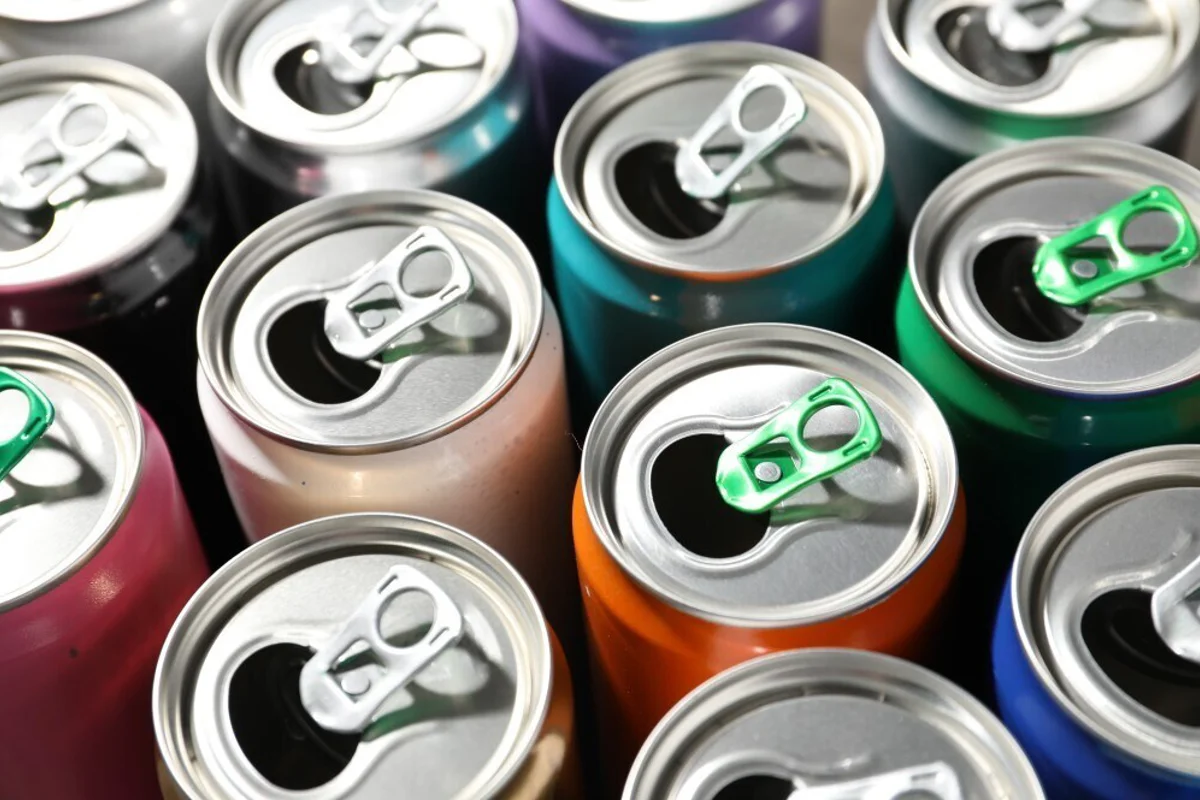
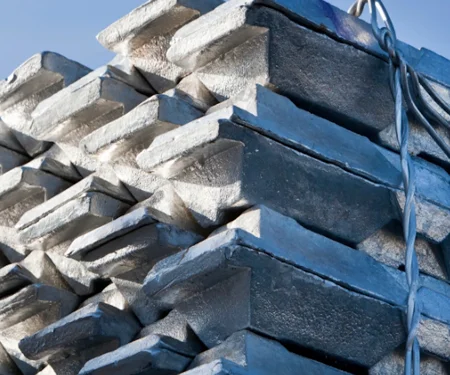
Stock image for referential purposes only
Thai Beverage Can Ltd (TBC) said demand for aluminium beverage cans in Thailand is likely to continue to grow as consumers choose functional drinks, energy drinks and premium beverages.
The company posted a 37 per cent YoY increase in sales volume in the first quarter of 2026, reflecting stronger demand amid ongoing uncertainty in global markets.
TBC Chief Operating Officer Pavin Chayavivatkul said changing consumer preferences are supporting the shift towards canned beverages. A recent consumer survey by PwC Thailand also found that buyers are placing greater emphasis on health, food safety and product quality.
Although aluminium cans currently account for a relatively small share of Thailand's beverage packaging market, the company believes there is significant room for growth. Around 75 per cent of beverages in Thailand are still packaged in plastic or glass bottles, compared with aluminium can usage of around 70 per cent in Cambodia and 60 per cent in Vietnam.
Explore: The most comprehensive and forward-looking industry-focused report – ALuminium in Packaging: Consumer Trends and Market Dynamics
According to TBC, aluminium cans offer several advantages, including protection from heat and ultraviolet light, freedom from microplastics and full recyclability, making them an increasingly attractive packaging option.
The company currently operates three manufacturing facilities across Thailand and Vietnam with a combined annual production capacity of 7 billion cans. During the first quarter, its Thailand business sold 679 million cans, while consolidated revenue rose 32 per cent year on year to 2 billion baht (USD 59,920).
Exports represented 18 per cent of total sales volume, with overseas shipments increasing more than sixfold compared with the same period last year. TBC supplies aluminium cans to customers in 40 countries, including India, Bhutan, Australia, New Zealand and Norway, and is evaluating further expansion opportunities in Vietnam and India.
The company also highlighted the impact of geopolitical tensions and rising aluminium costs on the packaging industry. Metal makes up roughly 60 per cent of production costs and TBC said it had strengthened supplier partnerships, diversified sourcing channels and kept inventory levels to improve supply chain resilience. The company has also invested in solar power on its property to help manage rising energy costs.
Explore our e-magazine ALuminium LeaderSpeak 2026 for the latest industry insights and trends

From power networks to renewables: Capral Aluminium marks nine decades in Australian manufacturing
Next articleSilverStone unveils premium aluminium ALTA T1 super-tower PC case
Grow with
AL Circle