Global aluminium output falls to 6.2Mt as prices rise 0.35%, SHFE stocks dip 3% & Gulf output drops 44%

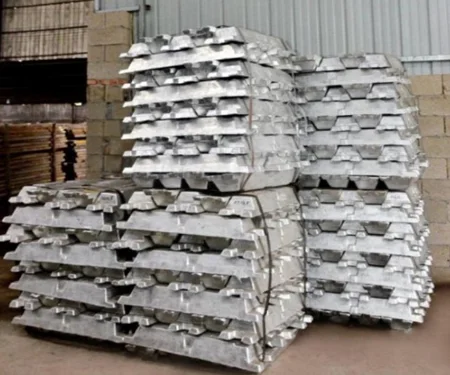
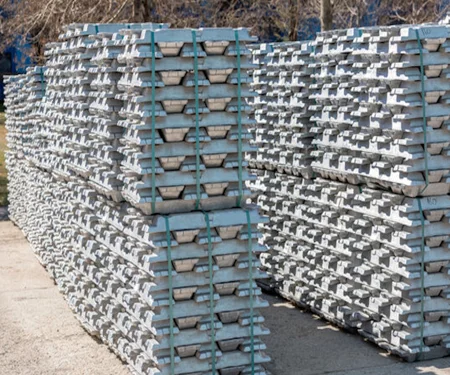
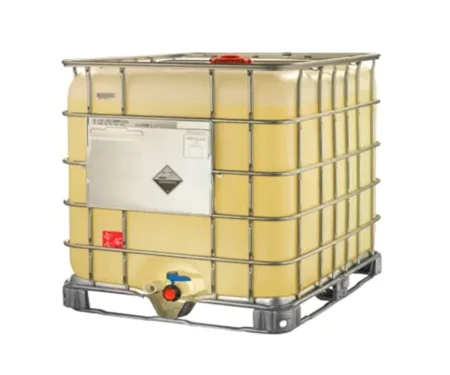
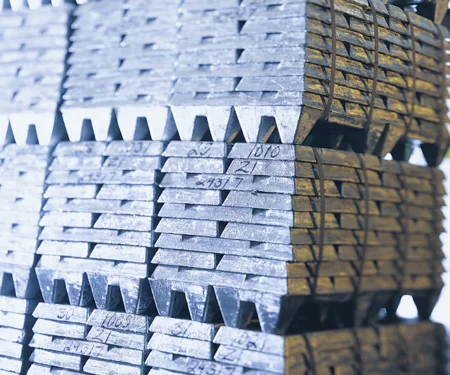
Stock image for referential purposes only
Aluminium prices settled 0.35 per cent higher at INR 345.6 (USD 3.64), backed by declining exchange inventories, expectations of additional fiscal measures in China and concerns over constrained supply from the Middle East. However, improving production prospects in the region limited further gains.
Aluminium warehouse scenario
Aluminium inventories in Shanghai Futures Exchange (SHFE)-monitored warehouses declined by 3 per cent from the previous week. Stocks at three major Japanese ports also fell 8.8 per cent month-on-month to 201,000 tonnes at the end of July, partly reflecting lower imports from the Middle East amid tensions resulting from the US-Iran conflict.
China's economic outlook has also supported expectations of further policy measures. The country's GDP growth slowed to 4.3 per cent in the second quarter, increasing expectations that policymakers could introduce additional fiscal support to sustain economic activity and meet the annual growth target.
To know the production, demand and consumption forecasts on bauxite and alumina, explore the report "Global Bauxite & Alumina Market Forecast to 2036: Supply–Demand, Trade Flows & Price Outlook"
Supply from the Middle East remains an important factor for the aluminium market, although efforts to restore production could ease some of the pressure. Emirates Global Aluminium (EGA) and Aluminium Bahrain (Alba) are accelerating work to restore operations. EGA said its Al Taweelah smelter was operating at 18 per cent of capacity and is expected to return to its previous production levels in early 2027.
Aluminium production picture
Global primary aluminium production declined 1.7 per cent year-on-year to 6.16 million tonnes in July. The fall was particularly significant in the Gulf, where production plunged 44 per cent to 293,000 tonnes, compared with 523,000 tonnes a year earlier.
China, however, continued to provide support to global aluminium supply. The country's aluminium production rose 2.7 per cent year-on-year to 3.9 million tonnes in July, partly offsetting the decline in Middle East production.
Chinese exports of unwrought aluminium and aluminium semis reached 643,000 tonnes in July, up 18.6 per cent from a year earlier, although shipments were down 9.6 per cent from June. During the January-July period, exports increased 16.7 per cent to 4 million tonnes.
Explore primary aluminium suppliers, product listings and trade opportunities on AL Biz
The alumina market has also added to supply concerns. Norsk Hydro reduced alumina production at its Alunorte plant in Brazil to 50 per cent of capacity because of natural gas shortages. Meanwhile, Alcoa cut its 2026 alumina production guidance by 200,000-300,000 tonnes to between 9.5 million and 9.6 million tonnes.
Some supply risks have nevertheless eased. Expectations of lower US tariffs on Canadian aluminium and the development of alternative shipping routes have helped reduce concerns over the availability of metal.
On the technical side, the aluminium market remained under fresh buying, with open interest rising 4.04 per cent to 4,454 while prices gained INR 1.2 (USD 0.013). Aluminium has support at INR 344.30 (USD 3.63), with a break below this level potentially testing INR 342.9 (USD 3.62).
August molten aluminium ratio above expectations; September expected to rise month-on-month
Next articleAlba strengthens corporate leadership with new finance, legal and HR talent
Grow with
AL Circle