SHFE aluminium pulls back while LME aluminium stabilises slightly, as the tug-of-war between longs and shorts in the aluminium market continues to consolidate
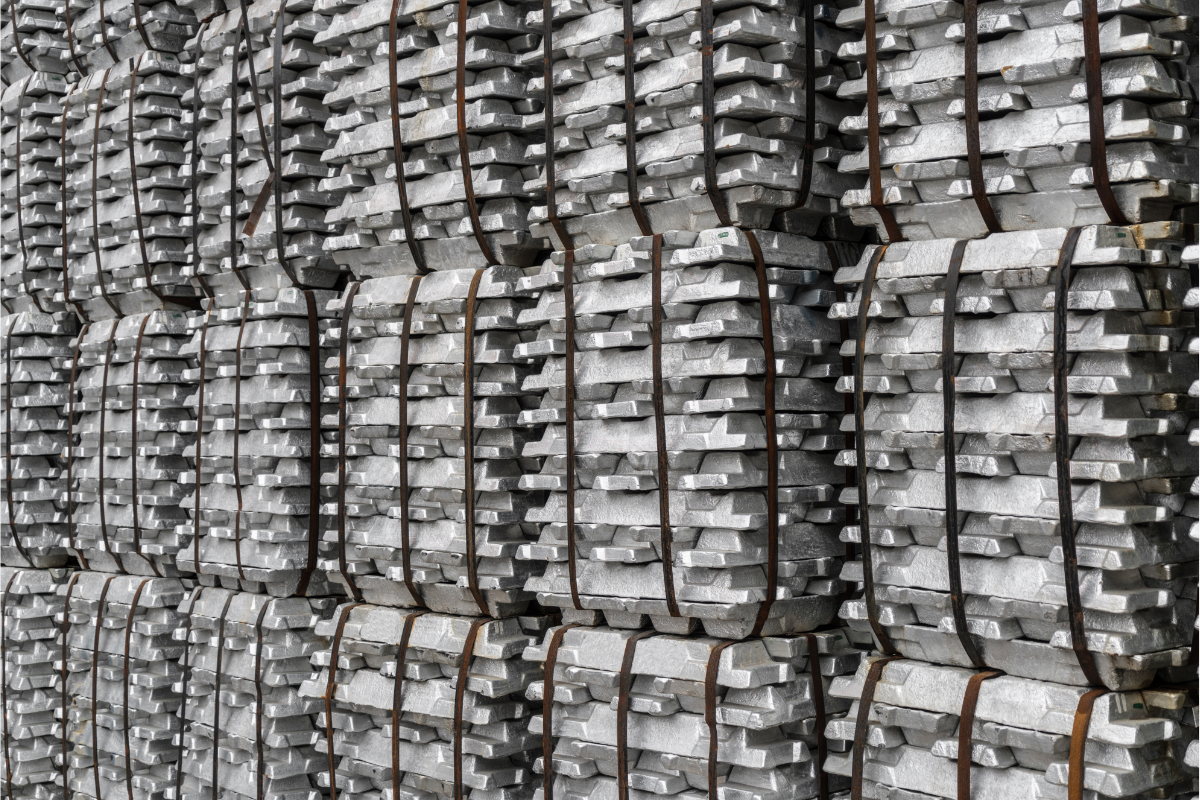
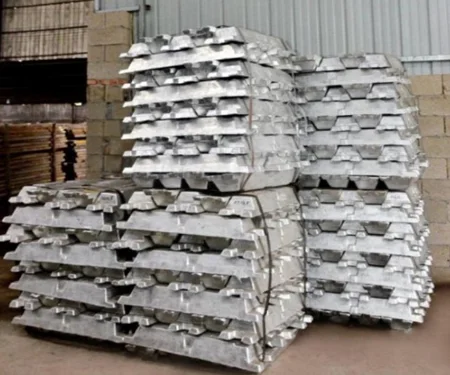
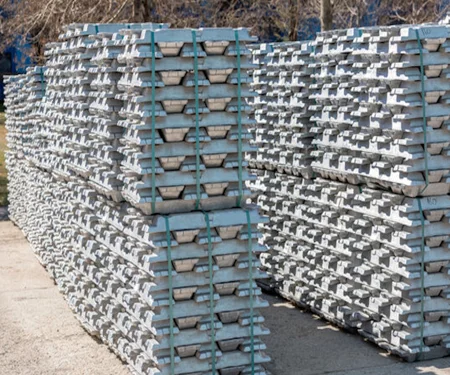
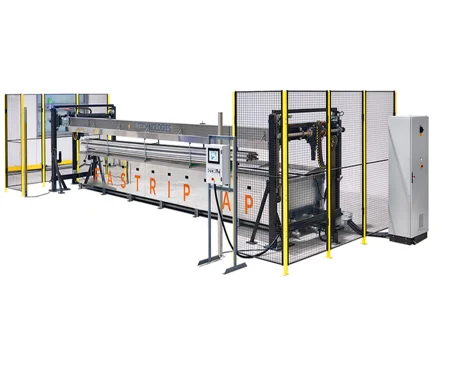
The image used in this article is generated with an AI tool and does not depict any real-time moment
Futures: The most-traded SHFE aluminium 2611 contract closed at RMB 23,490 per tonne, down RMB 95 from yesterday's settlement price, a decline of 0.40 per cent. It opened at RMB 23,580.00 per tonne during the day, fluctuating within a range of RMB 23,415-23,630 per tonne. Prices are running below the MA5 (23,528.00), MA10 (23,825.50), MA30 (24,055.17), and MA60 (23,828.58) moving averages. The rebound met resistance and pulled back again, revealing a low-level weak consolidation structure, with the moving averages above forming key pressure resistance. The MACD indicator's DIF (-132.1547) is below the DEA (-27.3207), and the MACD green bar value is -209.6680, with bearish momentum remaining relatively strong. The core trading range for SHFE aluminium is suggested to be RMB 23,200-23,800 per tonne. The LME aluminium 3M contract settled at USD 3,048.00 per tonne, up 0.03 per cent. It opened at USD 3,050.00 per tonne during the day, fluctuating within a range of USD 3,047.00-3,051.00 per tonne. Prices are running below the MA5 (3,063.80), MA10 (3,097.10), MA30 (3,218.30), and MA60 (3,223.88). After a sustained decline, prices stabilised slightly at low levels, revealing a low-level weak consolidation structure, with the moving averages above forming clear resistance. The MACD indicator's DIF (-55.4246) is below the DEA (-39.2926), and the MACD green bar is -32.2639, with bearish momentum still dominant. The core trading range for LME aluminium is suggested to be USD 2,900-3,150 per tonne.
Macro front: The Ministry of Finance and the State Taxation Administration issued an announcement that starting April 1, 2027, the VAT export rebate rate for new energy vehicles will be reduced from 13 per cent to 9 per cent. The export consumption tax policy will remain unchanged, and the consumption tax refund (exemption) policy will continue to apply. Experts noted that this policy will force automakers to carefully consider changes in tax costs, accelerate the establishment of overseas plants, and reduce reliance on complete vehicle exports. Data released by CAAM showed that China's NEV exports reached 571,000 units in September, up more than 160 per cent YoY. Cleveland Fed President Hammack said that smaller, more frequent monetary policy adjustments help keep inflation expectations stable, which is better than waiting now and risking the need for larger policy corrections later. However, as a voting member of the FOMC, she did not explicitly state support for a rate hike this month.
Fundamentals: According to SMM statistics, overseas aluminium production outside China fell 2.4 per cent YoY in September 2026, mainly due to lower YoY loads at aluminium plants in the Middle East. Overseas daily average production rebounded 2.2 per cent MoM, with production resumptions in the Middle East and production ramp-up at newly commissioned projects in Indonesia, Vietnam, and India continuing to drive the rebound in daily average production. Looking ahead to October 2026, production resumptions in the Middle East are expected to continue advancing; newly commissioned projects in Indonesia and India are expected to continue ramping up production, but some projects originally planned for Q4 commissioning have experienced varying degrees of delays, and production growth is expected to gradually slow down. Demand side, the September-October peak season drove the comprehensive operating rate up MoM, but processing fees for some processed products came under pressure, leading to production cuts and shutdowns, with the proportion of liquid aluminium falling to 78.2 per cent. As of this Monday, China's aluminium ingot social inventory destocked by 35,000 tonnes from last Thursday, while building up 13,000 tonnes from before the holiday, with aluminium destocking resuming.
Primary aluminium market: In east China, SHFE aluminium futures center moved higher intraday from the previous trading day, but weekend warehouse withdrawal data in east China performed well. The SHFE aluminium 2610-2611 contract structure is currently in backwardation of around RMB 100 per tonne, and the market is expected to quote a premium of nearly RMB 200 per tonne against the SHFE aluminium 2611 contract tomorrow. Yesterday, SMM A00 aluminium ingot transactions closed at a premium of RMB 50-70 per tonne. In central China, SHFE aluminium futures rebounded, while downstream processing enterprises saw sluggish follow-through in end-user orders, and in-factory inventory remained high, weakening the willingness to purchase and restock. Yesterday, trading sentiment in central China remained sluggish. Suppliers also showed limited willingness to hold prices firm, with market quotes moving lower continuously. Ultimately, actual transaction prices in central China were concentrated in a discount range of RMB 20-50 per tonne against the SHFE aluminium October contract. In south China, aluminium prices rose yesterday, and the spot market was lukewarm. No inventory buildup pressure was seen over the weekend, and inventory had a positive impact on sentiment, but under the backwardation structure, the actual basis remained high, with some divergence in market operations—firm price-holding coexisting with slight downward adjustments. The mainstream was in a range from small discounts to parity, with spot circulation overall controllable. The willingness to restock amid price rises was moderate, providing some demand support; however, overall sentiment was somewhat cautious toward high prices, with purchases mainly driven by rigid demand. Follow-through momentum weakened after market entry, and the transaction pace was steady. Spot transaction prices were concentrated at a premium of RMB 200-240 per tonne against the SHFE aluminium 2610 contract.
Aluminium scrap: Yesterday, SMM A00 aluminium closed at RMB 23,810 per tonne, up RMB 160 per tonne from the previous trading day. Price performance diverged across aluminium scrap categories, with baled UBC prices unchanged yesterday and aluminium tense scrap prices raised by RMB 100 per tonne. On price differences, the price difference between A00 aluminium and mixed aluminium extrusion scrap free of paint in Foshan was about RMB 2,492 per tonne, and the price difference between A00 aluminium and shredded aluminium tense scrap was about RMB 1,160 per tonne. After the National Day holiday, the aluminium scrap market continued to hold up well. Supply side, aluminium scrap yards have all briefly resumed operations, with some increase in material release, but recycling policies still constrain circulation, with invoice quota limitations widespread and the tight invoice supply situation unlikely to ease in the short term. Tight supply will continue to support prices. Demand side, as the traditional peak consumption season for cast aluminium alloy gradually kicks off, enterprises are accelerating order-taking and procurement pace, and aluminium tense scrap prices are expected to see stronger support under the tight supply-demand balance. Demand for wrought aluminium alloy is moderate, with relatively ample in-factory inventory, but tax audit restrictions are expected to reduce aluminium scrap supply, gradually opening a channel for price increases.
Secondary aluminium alloy: Futures: Yesterday, the most-traded AD2612 cast aluminium alloy contract opened at RMB 23,370 per tonne, dipped to RMB 23,300 per tonne after the open before quickly rallying. It shot up to RMB 23,465 per tonne in early trading where it met resistance, consolidated at highs, then pulled back step by step. Intraday volume expanded as it dipped to RMB 23,315 per tonne and stabilised, rebounded in late trading, and closed at RMB 23,355 per tonne at midday, up RMB 155 per tonne or 0.67 per cent from yesterday's settlement price of RMB 23,200 per tonne. Yesterday, the ADC12 market center edged slightly higher, with the SMM ADC12 price up RMB 100 per tonne from the previous day to RMB 24,500 per tonne. Cost side, higher aluminium and copper prices pushed up procurement costs for aluminium scrap and copper alloy elements. Combined with ongoing tax invoice issues constraining compliant raw material procurement, cost pressure on enterprises persists, providing relatively strong support for ADC12 prices and limiting near-term downside. Demand side remains relatively weak, with demand release during the traditional September-October peak season falling short of expectations, constraining the sustainability of price rises. Overall, the current ADC12 market features strong cost support but insufficient demand follow-through, and the tension between the willingness to hold prices firm and downstream affordability persists. Near-term prices are expected to move sideways, and further upside will depend on aluminium price trends, raw material cost changes, and actual downstream procurement.
Comprehensive outlook: Macro dimension, expectations for US dollar rate hikes have cooled, but the dollar remains at highs, continuing to weigh on valuations across the nonferrous metals sector. Industry dimension, the actual improvement in demand during China's traditional peak season has not fully met earlier expectations, and downstream procurement has turned more cautious in a high-price environment, weakening price support. On Monday, aluminium ingot social inventory destocked by 35,000 tonnes, providing some price support. Overall, near-term aluminium prices face intertwined bullish and bearish factors and are expected to consolidate sideways.
Note: This article has been shared by SMM and has been published by AL Circle with its original information without any modifications or edits to the core subject/data.
LME aluminium price dips slightly to $3,055/t on October 12; Asian Ref Price rises 0.13%
Next articleAluminium futures fall to $3,050/t, hits lowest level since February as supply outlook improves
Grow with
AL Circle