Global aluminium downstream enters a new phase as foil and FRP projects, trade shifts and policy signals begin to realign the value chain
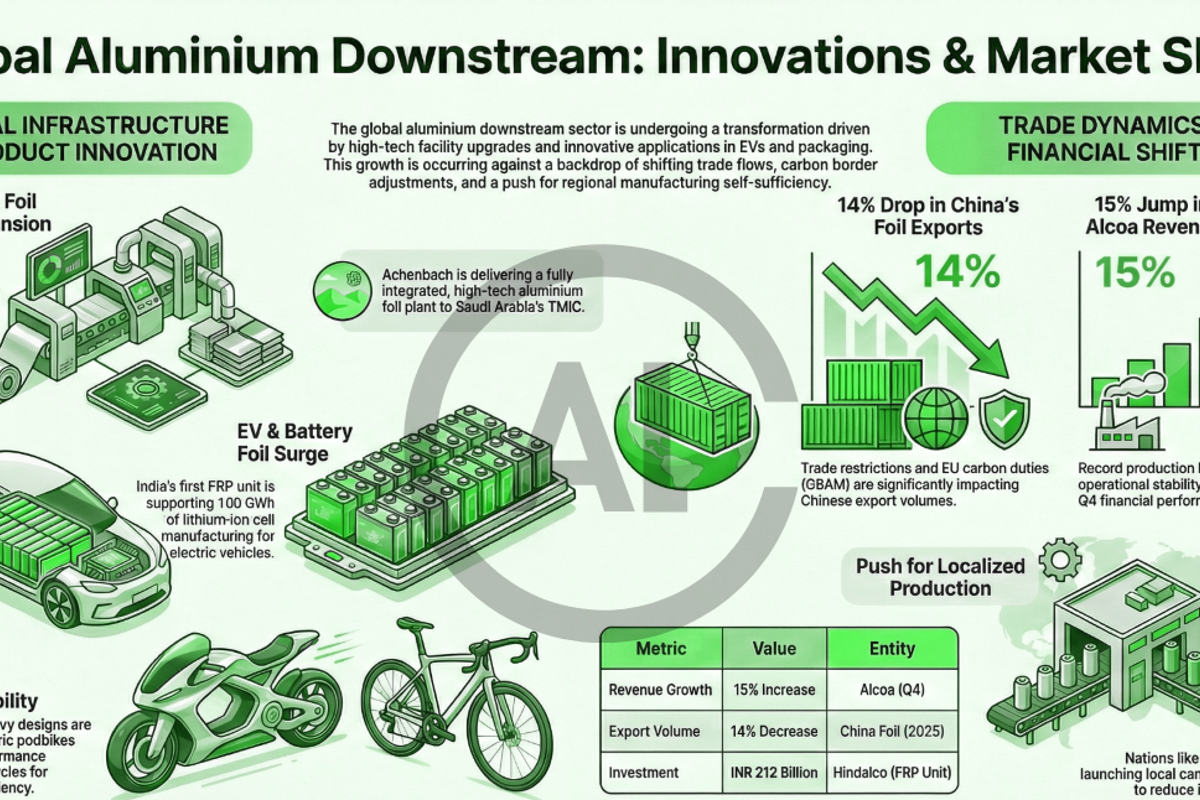
The global aluminium downstream is blending new capacity, tech upgrades and innovative applications in packaging, mobility and advanced manufacturing. The industry is seeing everything from investments in integrated foil and FRP to design-focused architectural solutions and localising equipment and can-making capabilities. These recent developments suggest a more substantial alignment within the value chain and a push for regional manufacturing growth. Meanwhile, changing trade flows, export dynamics and policy signals are still shaping cost structures and competitive positioning.
Latest projects & innovations in the global AL downstream market
Achenbach, one of the world’s leaders of aluminium foil rolling mills and slitting machines, bagged an order for providing a fully integrated aluminium foil plant to Tahweel Metal Industry Corporation (TMIC) in Dammam, Saudi Arabia. This facility will serve as the technological heart of TMIC’s new industrial complex, featuring cutting-edge rolling mills, slitting and processing systems, along with advanced exhaust air purification technology.
Swisstek Aluminium, a leading Sri Lankan aluminium extrusion manufacturer in Sri Lanka and part of Vallibel One PLC, has opened a new Design Studio at its headquarters in Colombo, aiming to enhance collaboration with architects, designers, developers and fabricators. This design studio also aims to support contemporary residential and commercial building projects. This space is designed to be a hub for design assistance, technical advice and visualisation, featuring a variety of architectural aluminium systems.
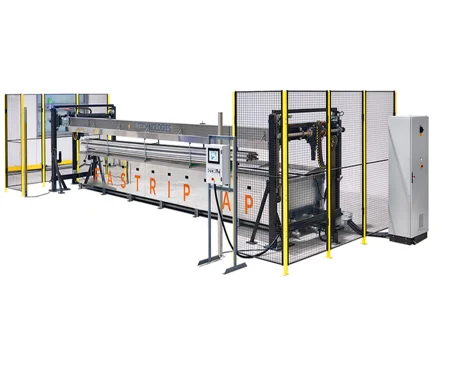
Bridgnorth Aluminium has put down GBP 600 thousand (USD 830 thousand) to upgrade a Schmutz line at its UK facility, aiming to boost its finishing capabilities for thin-gauge aluminium coils. This enhancement will support a variety of applications, including underfloor heating, cooling systems, automotive needs and data centres. With the new equipment, the company will be able to handle in-house slitting and winding of thinner materials for customers in the UK, EU and the US. It is expected to commence by March, following their return to 24/7 operations in early January.
SMS group opened a cutting-edge manufacturing hub in Sanand, India, as part of its plan to boost local capabilities and foster long-term growth in the Indian market. This new facility aims to improve engineering, manufacturing and service support for customers in the metals sector, allowing for quicker project execution, localisation of essential equipment and closer collaboration with regional clients.
Odisha's Chief Minister, Mohan Charan Majhi, started the construction of India’s very first FRP aluminium unit at Hindalco Industries’ Aditya Aluminium plant in Lapanga, Sambalpur, with an investment of INR 212 billion. This ambitious project features a specialised battery foil facility, which comes with a price tag of about INR 8.34 billion. It's set to support an impressive 100 GWh of lithium-ion cell manufacturing capacity, meeting the growing domestic demand for electric vehicles, energy storage and advanced manufacturing.
Ball Corporation, with Münsterland and Paramount, will be rolling out some fun SpongeBob-themed aluminium beverage cans. This collaboration blends brand licensing with innovative packaging, making these cans stand out on the shelves and engage consumers more effectively. It really showcases how aluminium can play a key role in promotional and limited-edition packaging, allowing beverage brands to tie their marketing efforts to eco-friendly can solutions while also setting themselves apart in a crowded retail space.
TwoZero featured an electric podbike that takes inspiration from spaceships, aiming to enhance urban mobility. An innovative ride featuring a lightweight, aluminium-heavy design that not only boosts durability but also improves energy efficiency. Marketed as a compact, enclosed electric vehicle perfect for city commuting, it merges sleek aerodynamics with both pedal-assist and electric power, providing a fresh alternative to traditional short-distance travel. This development underscores the importance of aluminium in the rise of micro-mobility solutions, offering structural strength and weight savings while meeting the growing need for low-emission transport options in urban areas.
Kinesis introduced its new RTD aluminium endurance bike, aiming to be a strong contender against carbon-framed options while highlighting its durability, comfort and cost-effectiveness. With this, the brand’s commitment to cutting-edge aluminium frame engineering is designed to meet the performance needs of endurance cyclists. This development underscores the ongoing importance of aluminium in high-performance bike design, as manufacturers continue to innovate with materials to strike the right balance between weight, strength and affordability in the premium cycling market.
Imports, exports & financials altering the course of the industry
In 2025, China's aluminium foil exports dropped around 14 per cent compared to the previous year, landing at about 1.34 million tonnes. This decline highlights the ongoing challenges posed by trade restrictions and the shifting landscape of the global market. Although there was a slight uptick in monthly shipments as the year wrapped up, exports were still hampered by anti-dumping duties in major markets and the EU's Carbon Border Adjustment Mechanism (CBAM), both of which are driving up compliance costs and pushing orders towards overseas production or less-restricted locations. On a brighter note, there's still a solid demand for new-energy applications like battery foil, energy storage and high-end packaging, along with growth in emerging markets, which helps to provide some support.
In Q4, Alcoa's revenue jumped 15 per cent compared to the previous year due to record production levels at five of its aluminium smelters and enhanced operational stability. The company pointed to increased production, favourable pricing trends and a commitment to cost management as the main drivers behind this quarterly success. The firm is also eying its productivity, optimising its portfolio and improving energy efficiencies throughout its operations. These results highlight Alcoa’s ongoing strategy to boost margins and cash flow, allowing it to navigate changing market conditions while managing demand fluctuations and cost challenges, all while maintaining steady output across its global smelting network.
India and the US are striking trade deal that could see proposed US tariffs on certain Indian goods slashed from 50 per cent down to about 18 per cent, in return for India stopping its imports of Russian oil. However, there's still no clear word on whether there will be any rebates or relief specifically concerning aluminium tariffs, which has left the domestic aluminium industry in a holding pattern, waiting for more policy guidance. This development indicates that negotiations are ongoing and could have significant effects on bilateral trade and cost structures.
Association & Corporations giving further nudge
Ahead of the Union Budget for 2026–27, the Aluminium Association of India (AAI) is calling on the government to tighten import regulations. The association suggested an increase in the basic customs duty on all aluminium products, including scrap, to 15 per cent, along with stricter quality standards for imported scrap. The AAI believes these steps are crucial for reducing the influx of low-quality imports, ensuring that India doesn’t turn into a dumping ground for metal waste and bolstering local manufacturers, especially since there’s already enough production capacity at home.
The EAFA Alliance is boosting the growth of circular aluminium packaging in Europe via collaboration throughout the value chain and promoting initiatives that enhance the collection, sorting and recycling of aluminium foil and flexible packaging. This initiative is designed to align industry players with the evolving EU sustainability and packaging regulations, while also reinforcing aluminium’s role in a circular economy through improved recycling rates and responsible material usage.
Uzbekistan introduced its very first aluminium beverage can manufacturing facility with the support of the International Finance Corporation (IFC). This exciting project is set to create about 200 jobs and will help the country rely less on imported cans. The new plant aims to boost local packaging supplies, assist beverage producers, and enhance industrial self-sufficiency by producing cans right here at home. With backing from international financing, this initiative showcases a commitment to expanding manufacturing capabilities, developing value-added aluminium processing and strengthening the supply chain in Uzbekistan’s packaging and consumer goods industries.
_0_0.png)
Nirav Commercial approves sale of aluminium unit for $0.13M to Hind Aluminium
Next articleExlabesa Coimbra 2030: Investment of €40M to boost Portugal’s aluminium industry
Grow with
AL Circle