Ferrari, BMW accelerate aluminium use in EV wiring as copper prices reshape design
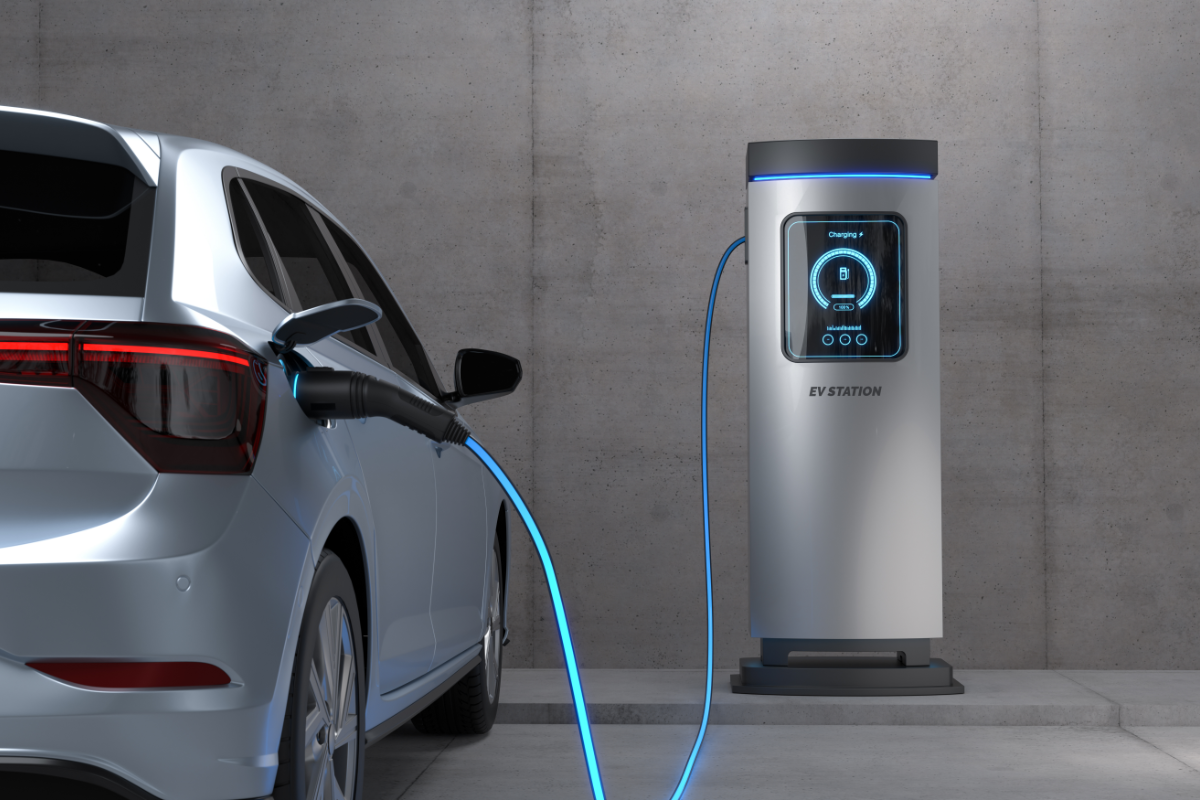
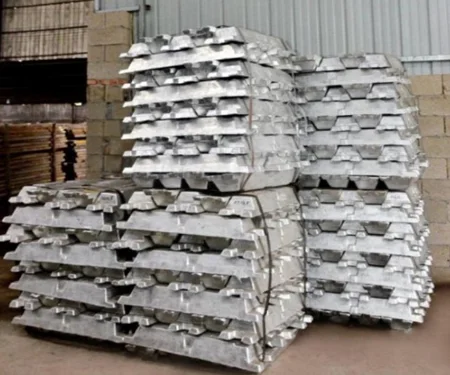
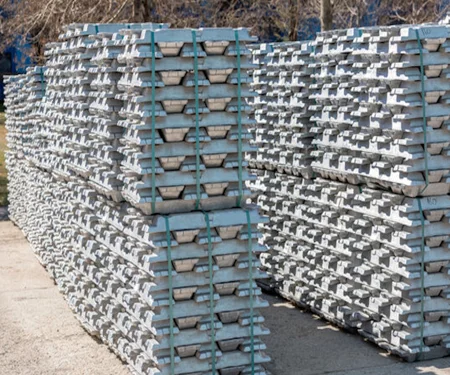
Stock image for referential purposes only
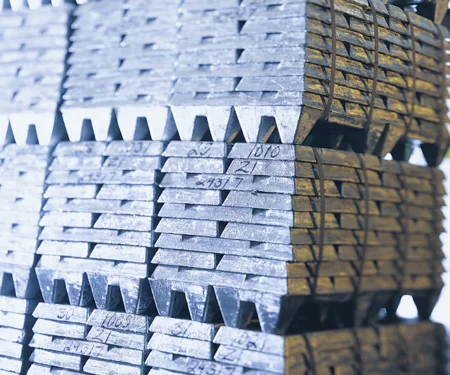
Aluminium is steadily gaining greater prominence in electric vehicle (EV) manufacturing. Ferrari and BMW have been widening the metal’s use in vehicle wiring as rising copper prices are prompting automakers to explore lighter and cost-effective alternatives.
According to GEM Mining Consulting, the trend indicates a growing focus on reducing vehicle weight and material costs, where aluminium, given its select features, steps in.
To know the aluminium casting demand forecast in the transportation sector, explore our report “Global Aluminium Casting Market 2026-2032: Plant Economics, Alloy Segmentation, Pricing Intelligence, Supply Chain Analysis & Strategic Recommendations”
Ferrari has already adopted aluminium power cables, reducing wiring weight by up to 20 per cent, while BMW has extended aluminium conductors into both high- and low-voltage systems used in its eDrive technology. The shift mirrors a broader industry movement, with manufacturers including Tesla and several Chinese EV makers increasingly integrating aluminium conductors into their vehicle platforms.
“When the price differential widens, manufacturers start looking more closely at every gram of copper that can be replaced without compromising system performance,” GEM Mining noted.
The consultancy said that the economic case has improved since 2020, with the copper-to-aluminium price ratio consistently hovering around or above 3.5 times, i.e., a level widely regarded as the threshold for commercially feasible material substitution.
Explore downstream aluminium suppliers, product listings and trade opportunities on the AL Biz platform.
Aluminium complements copper
Despite aluminium’s growing role, GEM Mining emphasised that the transition should be viewed as optimisation rather than structural replacement.
While aluminium offers advantages in applications where lower weight and reduced costs are priorities, switching from copper requires redesigning components, product requalification, certification and manufacturing adjustments. To that end, commercial factors are only one part of the equation.
“Aluminium gains ground in applications where cost and weight matter more than maximum electrical efficiency; copper, by contrast, retains its advantage where reliability, compactness and electrical losses remain critical,” the consultancy said.
At the time of writing, aluminium futures were trading around USD 3,180 per tonne, up 1.72 per cent over the past month and 20.9 per cent year-on-year. Copper futures, meanwhile, slipped below USD 6.3 per pound, although prices remain 11.81 per cent higher than a year ago.
GEM Mining estimates that material substitution with aluminium, graphene, bimetallic conductors, and other advanced materials could trim global copper demand by 1.5-6 per cent by 2035.
However, the consultancy expects long-term copper consumption to remain robust, supported by accelerating EV adoption, renewable energy investments and expanding data centre infrastructure.
In that scenario, aluminium is likely to be a strategic complement, easing pressure on copper demand and its elevated pricing while reinforcing lightweight vehicle design, cost and manufacturing efficiency.
AL Circle is coming up with a new magazine, “Aluminium’s Frontline: OEM Edition 2026.” Feature your brand and opinion in the edition.
Aluminium price surge dents Coca-Cola’s India market share despite Diet Coke boom
Next articleSterling Fleet outfitters first to bring Centurion Aluminium truck caps to Canada
Grow with
AL Circle