E-waste and aluminium scrap recycling to be accelerated in Ghana: Govt
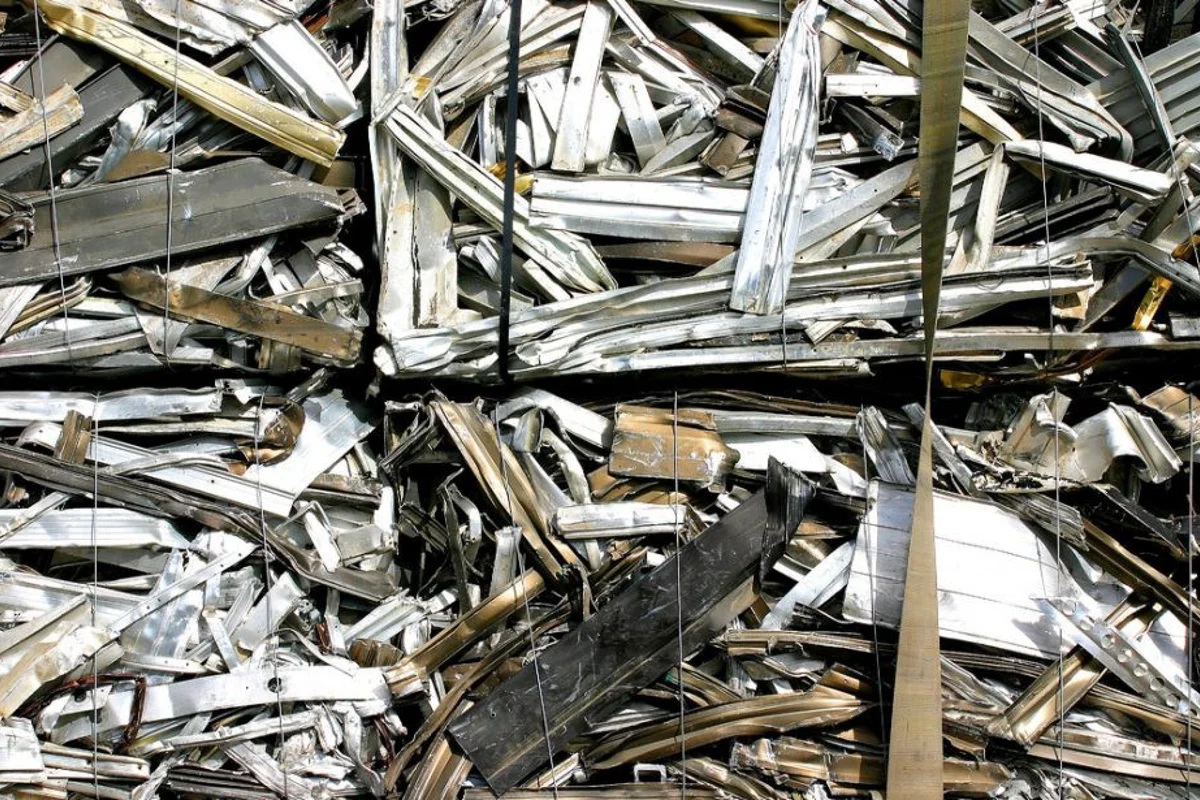
Ghana’s Ministry of Environment, Science, Technology and Innovation is keen on forming a circular economy module where scrap metals and other essential wastes would act as a tertiary resource for recycling and reuse.
While answering questions posed by the MP of Akan, Yao Gomado, in the parliament, the Minister of Environment, Science, Technology and Innovation, Dr Kwaku Afriyie commented: “No matter the source, these recyclable materials should be free of contamination.”
During a parliamentary session, the Member of Parliament (MP) for Akan raised valid questions in front of the Ministry of Environment, Science, Technology and Innovation, like, as what initiatives were been formulated to stop producers of cooking utensils from using old aluminium components and e-wastes in place of aluminium ingots.
The minister also assured everyone that there were huge numbers of cooking utensil manufacturers using pure aluminium ingots to create essentials in Ghana.
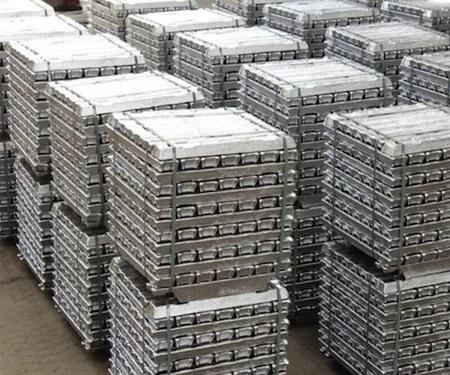
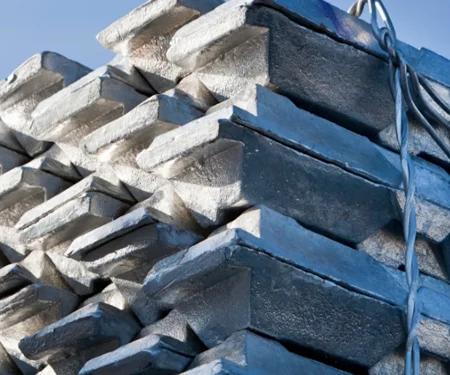
He notified that these pure aluminium ingots originate directly from Volta Aluminium Company Limited (VALCO) or are primarily imported into the country to be re-forged into various essential items including cooking utensils.
Dr Kwaku Afriyie exclaimed: “Our information on other forms of aluminium is from the refining processes where metal scraps from aluminium sheets and cast are separated into the ingots and exported outside the country. This type of aluminium is mostly found on the housing of electrical and electronic waste (e-waste) and is not contaminated or considered hazardous.”
“They are easily recovered by shredding or dismantling processes and constitute a minute fraction of the industrial sources of aluminium ingot exported outside the country,” Dr Afriyie added.
There exists a type of aluminium that is extracted from base alloy metals and mainly applied in the production of electrical and electronic constituents.
When the market value is considered the retraction of this type of aluminium is usually complex and gives very little return when compared to other base metals such as nickel, copper and cobalt.
Dr Afriyie also notified that the country’s e-waste recycling capacity audit portrayed an export-based market due to added retrievals of some base metals such as cobalt, nickel, copper, real earth metals and some high-value materials such as gold and platinum.
The doctor lastly agreed that there couldn’t be an absolute surety that there have not been individual cases of contaminated metal scraps, including aluminium being used in the production of cooking utensils in small industries or under the supervision of local fabricators.

“However, we don’t have the data to support how widespread the situation may be,” Dr Afriyie concluded.
Peel NRE redefines innovation with plastic-aluminium separation and recycling plant in the UK
Next articleRunaya wins ‘Golden Peacock Innovative Product/Service Award 2022’ in the category of mining & metallurgy
Grow with
AL Circle