Constellium warns EU: Eradicate CBAM or the aluminium industry fades away, European companies agree
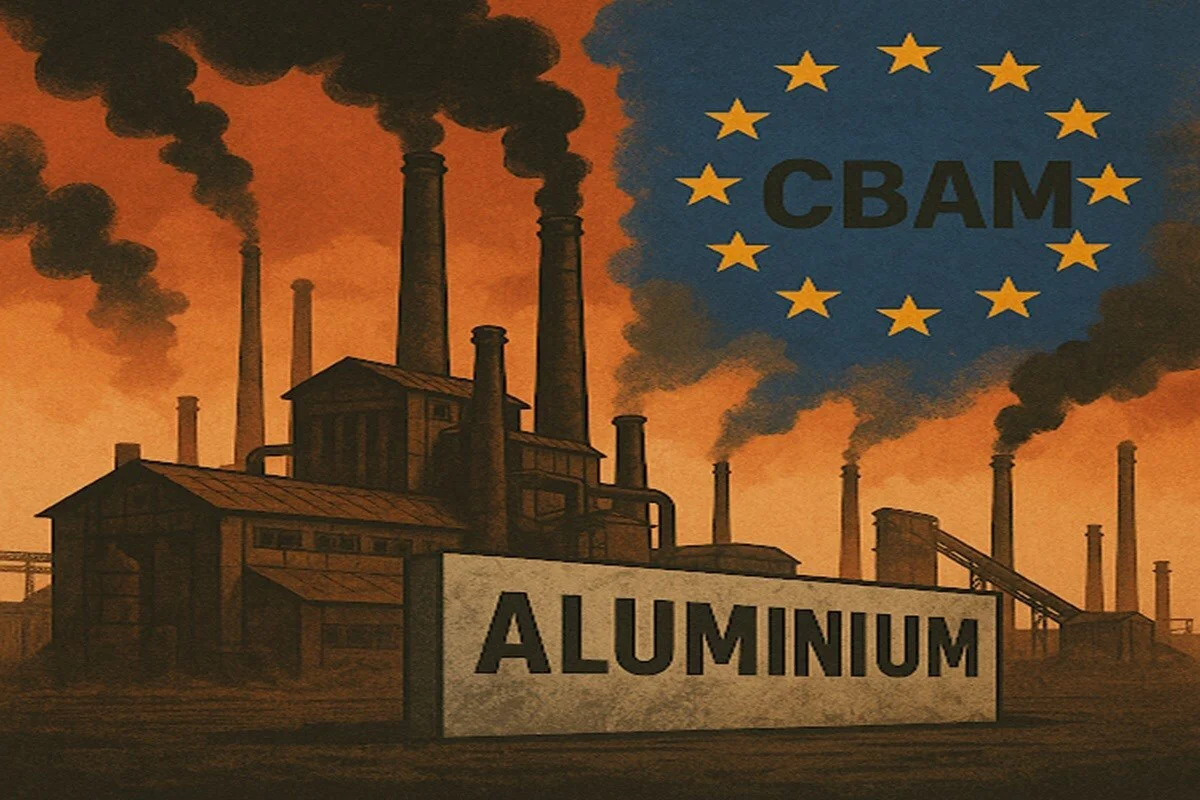
Constellium vocalises the warning that the European Union (EU) should immediately eradicate the Carbon Border Adjustment Mechanism (CBAM). Its claim that the EU is posing a risk with the implementation of CBAM in January 2026, which is likely to ensure the slow demise of the European aluminium industry, is resonated by other aluminium product makers.
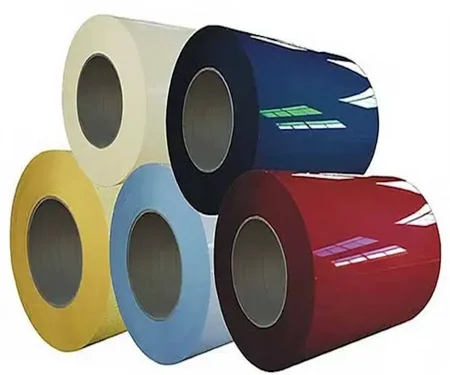
Image for representational purpose only
Explore- Most accurate data to drive business decisions with 50+ reports across the value chain
Constellium criticises CBAM
CBAM is intended to impose tax and levy on a selective set of imported goods including primary and secondary aluminium, to ensure they pay a similar carbon cost as those who produce it within the EU. Those who fail to produce documents of low-carbon emission will be subject to increased tax. However, industry representatives perceive this regulation as a threat to the European aluminium sector.
Constellium, one of the leading global suppliers of aluminium products for packaging, automotives and aviation, strongly opposes this step. It claims that it will not shield the European industries from carbon leakage and uphold their low-carbon green manufacturing efforts against those from countries with less stringent climate laws. Instead, the statute is going to harm the manufacturers and lead to a steady decline of the aluminium industry in the EU, as CBAM is likely to divert markets away from the EU and towards other industrial hubs like the Middle East, Asia or Africa.
Pointing out the loophole that CBAM does not prevent other regions outside the EU from producing high-carbon metals, and only sends low-carbon or scrap metals to the EU, Constellium opines that the overseas suppliers might be prone to avoid the aluminium industry of Europe.
Addressing this concern, Jean-Marc Germain, the CEO of Constellium, Paris, said, “The first thing to do about CBAM is just to eradicate it, get rid of it.” According to the brand, several grounds in the regulation appear grossly flawed, which need to be addressed before their implementation. As a precursor to it, the Eurozone manufacturing shrank towards the contraction territory, sending an alarming message to the industry.
Constellium’s aluminium suppliers
Constellium’s European plant sources aluminium globally, primarily from the United States and Europe. Among the European countries, there are Constellium’s own processing and recycling plants such as the Singen site in Germany, which deals with rolling and finishing for battery foil and processing aluminium from local and regional areas. Apart from these, the non-EU suppliers include Iceland, Norway, Mozambique and China.
Earlier, importing aluminium from these non-EU suppliers was not taxable. But, supply risks from Iceland and Mozambique have turned the premium spikes to 10-month high and the future circumstances will impose high duties on these already expensive imports. Due to such steep import prices, running the European plant might become very tough. The step will pose a threat to the European market and benefit the aluminium industries outside the EU, as cost inflation would be a major point of concern, regardless of the aluminium origin. The “core” of the loophole is “the competitiveness of Europe”. We are shooting ourselves in the foot knowingly,” Germain remarked.
Don't miss out- Buyers are looking for your products on our B2B platform
Other producers and industry bodies are in agreement
Other European aluminium rolling companies too, have raised similar concerns about the risky implications of CBAM. Bodies like European Automobile Manufacturers’ Association (ACEA), Hydro and European Aluminium have mentioned the major flaws in CBAM that can lead to the slow demise of the European aluminium industry, as opined by Constellium.
- European Automobile Manufacturers’ Association (ACEA)
ACEA points out the need for the EU to clarify the emission calculation methodologies, the role of accredited verifiers, the sale and repurchase of CBAM certificates, as well as default values that will ensure the functioning of CBAM with fair play and operators accurately reporting the embedded emissions of the products that they import.
ACEA Director General, Sigrid de Vries, asserted, “Automakers are committed to making CBAM work and have already invested a lot of resources into their compliance operations. However, there are far too many critical unknowns at this very late stage, which are going to make proper implementation by January 1, 2026, practically impossible.” He continued, “We call on the European Commission to publish the required texts as soon as possible and to understand the need for flexibility when it comes to the demands placed on operators next year.”
- Norsk Hydro
While Norsk Hydro supports the mechanism that acts like a tool to protect the competitiveness of European industries aiming for sustainable production, it also highlights the critical flaws in CBAM that undermine the values the directive is trying to showcase. As a result, the environmental concerns remain grave, and the European industry faces major challenges in realising its goal of achieving a low-carbon economy.
Currently, the aluminium scrap exclusion enables 50 per cent of global aluminium to evade CBAM duties. Hydro’s projection observes that by 2035, European recyclers might have to pay over 10 per cent higher input costs compared to the non-EU industries, which will raise the price of aluminium to more than EUR 200 per tonne.
Hydro strongly urges the EU to address these pitfalls and fix the shortcomings to ensure the efficiency of CBAM in protecting the European low-carbon industries as well as encourage global decarbonisation by preventing carbon leakage. This will also see to it that all the producers, within and outside the EU, have to pay the same carbon duties.
- European Aluminium
The Director General of European Aluminium, Paul Voss, said, “Without urgent adjustments, it will punish European producers for being cleaner while rewarding importers with less transparency and fewer obligations,” and added, “We strongly urge the European Commission to immediately pause the implementation of CBAM for aluminium until key design flaws are fixed and the impact on our industry's competitiveness is properly assessed.”
Since CBAM assigns zero-emissions value to scrap metal, it implies that importers might try to avoid or reduce carbon cost by over-declaring scrap content. It cannot be traced back to them as there is no reliable way to verify the claims.
If amendments are not made, then as per study, shows transparent EU producers will be paying high carbon duties across the entire value chain while foreign producers might pay within 3.6% to 6.5% of the London Metal Exchange aluminium price. Moreover, the potential of including alumina in CBAM could increase the market price of the raw material up to 24% by 2034.
Voss closed with the statement, “If the ongoing changes and the European Commission review show that CBAM continues to do more harm than good, aluminium should be removed from its scope entirely.”
A year-on-year comparison brings to light the trend of the import value of consignments from the US to EU that has steadily declined in the September 2024-September 2025 from USD 316 million to USD 282 million, keeping line with the trade volume that has gone down from 34,721 tonnes to 24,593 tonnes.
The trade relationship between the US and the EU has already taken a major hit due to the recent tariff impositions by the US government. If the details of CBAM are not clarified and regularised on a global scale, then the current trend can be expected to decline even further, putting a potential end to any future trade agreement between the two. The impact of CBAM may not affect the market immediately, but the circumstances will eventually lead to the closure of the European industries, as pointed out by the CEO of Constellium, Paris, who observed, “It’s not one of those things where all of a sudden you turn the lights off. It’s going to be a gradual decline.”
Must read: Key industry individuals share their thoughts on the trending topics

Unlock full access – sign up for FREE.
Key benefits
Hind Aluminium’s position in the non-ferrous market suffers from continued financial strain
Next articleModern MIG tools are rationalising aluminium welding
Grow with
AL Circle












_md.webp)
_md.webp)
_md.webp)