China’s 33% red mud generation growth goes hand-in-hand with alumina production - ore beneficiation and waste utilisation in focus
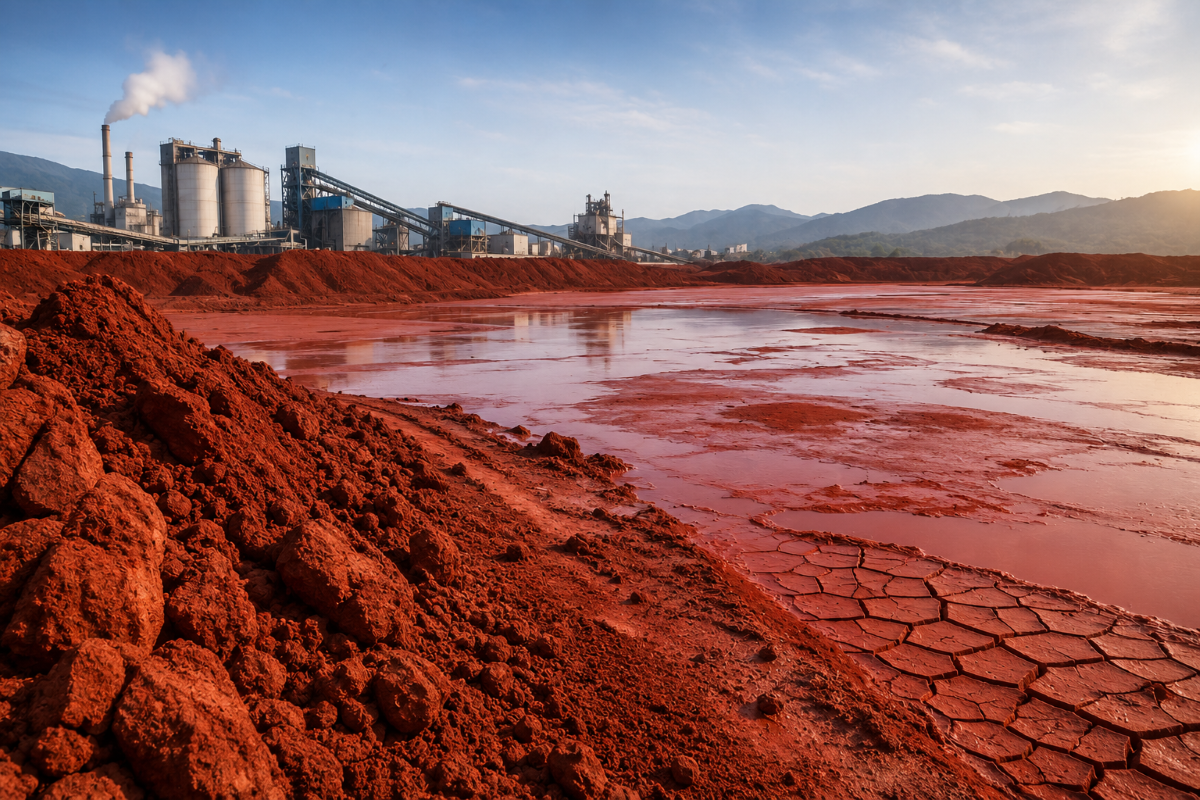
The image used in this article is generated with an AI tool and does not depict any real-time moment
China's alumina industry has been expanding steadily over the past six years. Production has increased from 71 million tonnes in 2020 to around 92.9–94.5 million tonnes in 2025, an overall rise of about 31–33 per cent. But behind every new tonne of alumina lies another, less visible story that begins in the bauxite mines and after the refining process leaves behind a highly alkaline by-product known as red mud. To understand why this residue is becoming an increasingly important issue, it is necessary to look at the raw material that feeds China's refineries.
It all starts with the ore
Every tonne of alumina begins with bauxite, but the quality of that bauxite determines how efficiently it can be refined and how much waste is left behind. Here, China faces a structural challenge.
Unlock full access – sign up for FREE.
Key benefits
Canadian Research Council teams up with AnorTech to develop alumina-based carbon capture technology
Next articleGeopolitical tensions add pressure to Alcoa’s alumina earnings
Grow with
AL Circle