China, Taiwan's bauxite trade on disruption alert as Super Typhoon Bavi approaches ports
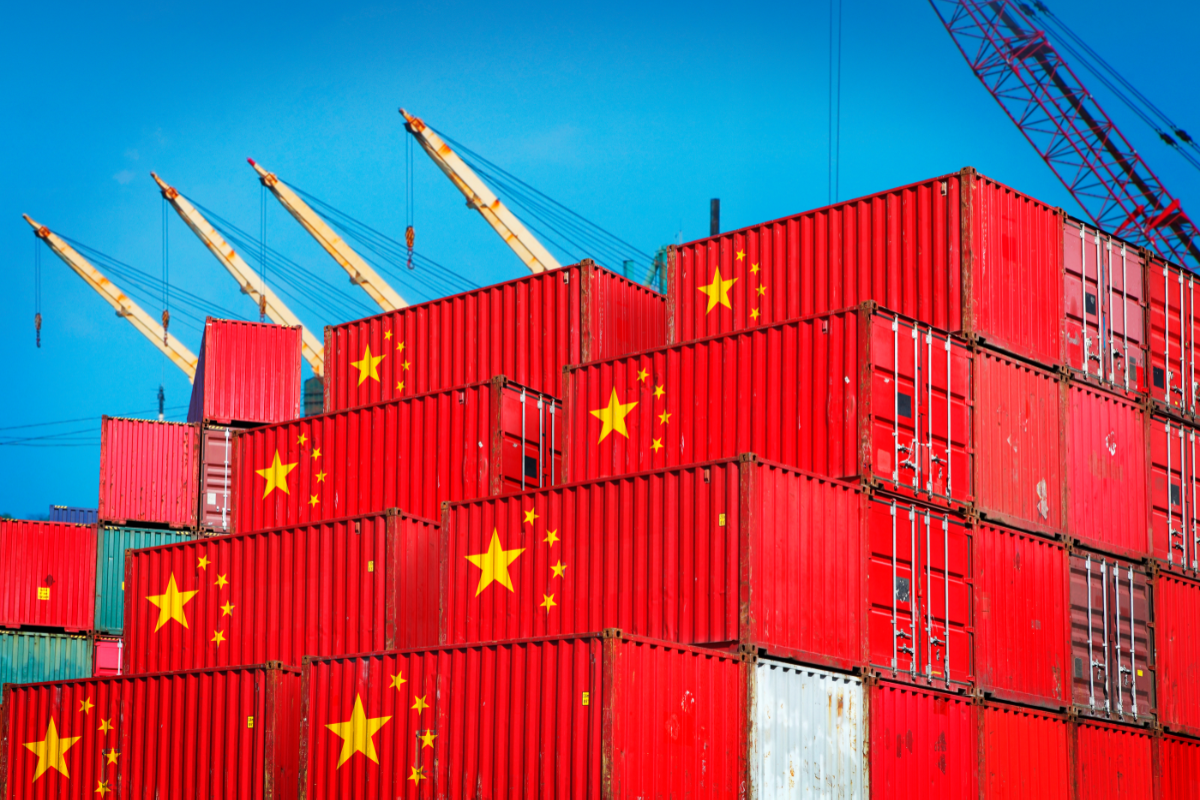
Stock image for referential purposes only
Super Typhoon Bavi, classified as a Category 5 storm by the European Centre for Medium-Range Weather Forecasts (ECMWF), is forecast to move towards Taiwan before making landfall along China’s eastern coast on Friday, July 10.
Commodities most exposed to the storm are bauxite, iron ore, thermal coal, coking coal, soybeans, and nickel ore, all of which move in significant volumes through eastern Chinese ports.
Meteorological forecasts indicate wind gusts of up to 100 knots and waves reaching nearly 12 metres, conditions that could disrupt maritime traffic across one of Asia's busiest shipping corridors. Authorities in Taiwan and China's Fujian and Zhejiang provinces have already begun preparing for the storm, with precautionary measures in place at several ports.
According to a maritime intelligence provider, The Signal Group, vessels have already started altering their routes to avoid the projected path of the typhoon. By the time Bavi reaches the Chinese coastline, shipping operations across dry bulk, container, tanker and gas segments could face delays as ports reduce or temporarily suspend operations for safety.
Explore the relevance of red mud in the sustainable aluminium industry in A Comprehensive Analysis of Bauxite Residue (Red Mud): Sustainability, Resource Recovery and Strategic Recommendations
Regional bauxite trade faces logistics pressure
For the aluminium industry, the immediate concern lies less with mining operations and more with the movement of bauxite across regional supply chains. Production is unlikely to sustain disruptions as the major bauxite mines in supplier countries such as Guinea, Australia and Indonesia are located far from the storm's direction. Instead, the main risk lies in disrupted marine logistics and port operations.
Being world's largest alumina producer, China heavily relies upon imported bauxite, with considerable volumes of cargo dispatched through ports along its eastern and southern coastline before being transported to inland alumina refineries.
If the Zhejiang, Fujian or nearby ports face temporary shutdowns or operational capacity reduction, bauxite cargo vessels would have to endure voyage durations across the Pacific with discharge delays, longer waiting times and rerouting.
Such disturbances could also result in temporary vessel scarcity, raising freight prices and creating logistical bottlenecks once the ports reopen.
Unlock key insights from leading companies and experts across the aluminium ecosystem with our e-Magazine - Mine to Market: ALuminium Producers & Manufacturers 2026
China’s imported bauxite stock reached 32.4 million tonnes, up 24 per cent year-on-year, marking the highest level recorded since 2022. Although it provides refiners with a short-term supply ease, prolonged logistical interruptions could still affect delivery timings, triggering volatility in stocked bauxite and alumina prices.
As the Pacific typhoon season is expected to continue through November, logistics risks caused by inclement weather might remain an important factor for the regional aluminium raw material supply chain in the months ahead.
Bauxite volume vs price in 2026: Here’s how Guinea's supply growth coincides with the sharpest shift in the cost curve
Next articleUMS and Renault Trucks mark decade of partnership supporting Guinea's bauxite industry
Grow with
AL Circle