China's H1 2026 solar installations fall 66% after record 2025 additions as developers adjust to pricing reforms
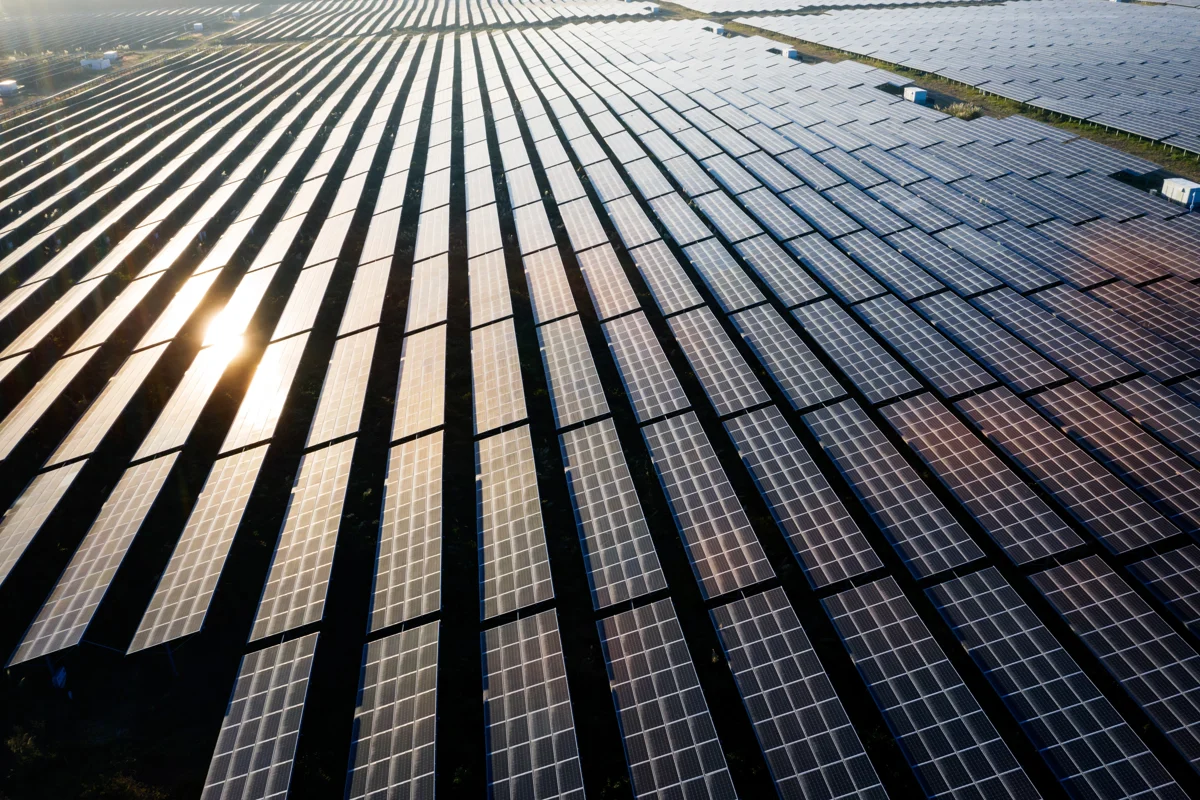
Stock image for referential purposes only
China's solar power installations declined sharply in the first half of 2026 after record additions a year earlier, as the market adjusted to changes in the country's renewable energy pricing mechanism.
According to an analysis by the China Photovoltaic Industry Association based on official data, China installed 72.07 GW of new solar capacity during January-June 2026, down 66 per cent from 212.21 GW in the same period of 2025. In June, new installations stood at 12.48 GW, a decline of 13.1 per cent year-on-year.
The decline follows the unusually high installation levels recorded in early 2025, when developers rushed to connect projects before June 1, the date on which new wind and solar projects shifted from fixed feed-in tariffs to market-based electricity pricing. May 2025 alone recorded nearly 93 GW of new solar installations, more than four times the level seen a year earlier. Although installations slowed after the pricing reforms took effect, June 2025 additions remained above those recorded in June 2026.
For forward-thinking aluminium market insights amidst supply chain and price challenges, read "ALuminium LeaderSpeak 2026"
The latest figures also put China below the installation range projected by the industry association in February, when it estimated 2026 additions at 180-240 GW, compared with the record 315 GW installed in 2025. If that forecast holds, it would mark China's first annual decline in solar installations since 2019.
Even with the slowdown, China remains the world's largest solar market. By the end of 2025, the country had nearly 1,300 GW of installed solar capacity and more than 2.34 TW of total renewable energy capacity, accounting for around 60 per cent of its installed power capacity.
The expansion of renewable energy is also influencing China's aluminium industry. According to industry estimates, around 25 per cent of the electricity used by the country's aluminium sector now comes from renewable sources, although coal continues to supply more than half of China's overall electricity generation.
Is India ready to unlock the full potential of non-ferrous metal recycling?
Next articleEnervoxa eyes Indian rare earths plant from red mud, seeks Vedanta, Hindalco, NALCO tie-ups
Grow with
AL Circle