Carbon and graphite products remain critical to efficient aluminium smelting; Tokai COBEX among leading suppliers
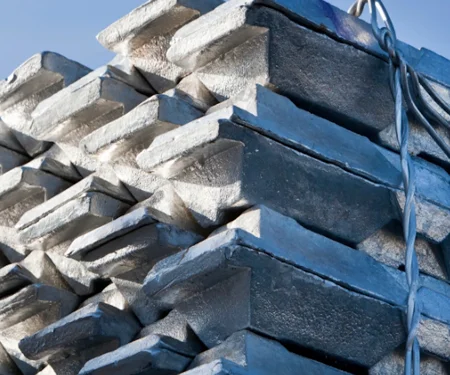
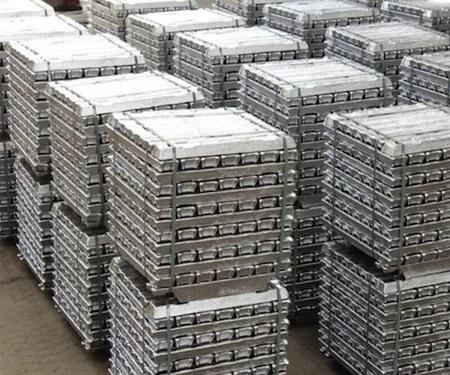
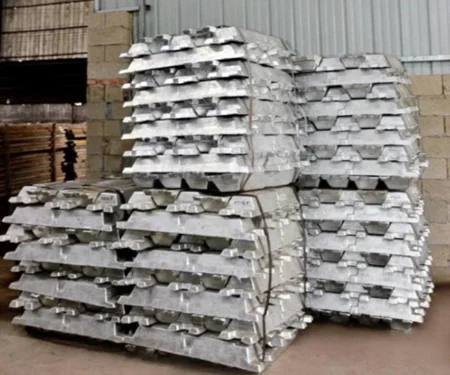
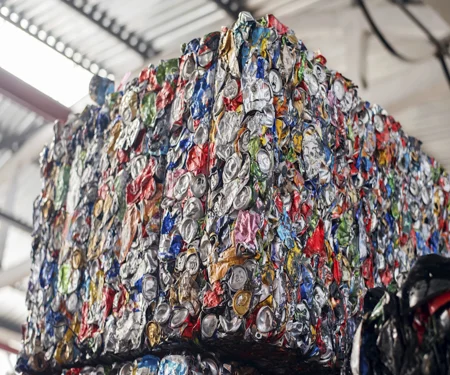
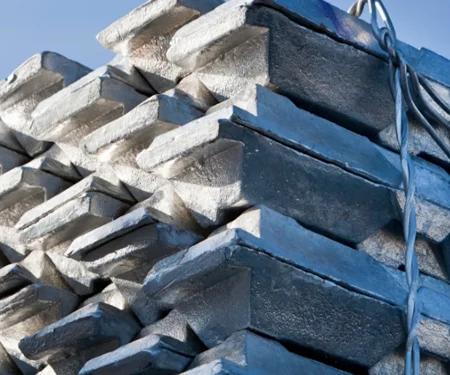
Stock image for referential purposes only
Carbon and graphite products are essential components in aluminium smelting, ironmaking and several metallurgical processes. Among the companies serving these industries is Tokai COBEX, a Germany-headquartered manufacturer with production facilities in Poland and France and a sales and technical service office in China.
The company's portfolio includes cathode blocks for aluminium electrolysis cells, blast furnace (used for the production of pig iron) linings, carbon electrodes, Söderberg paste and speciality graphite products. These materials are designed for applications requiring high electrical and thermal conductivity, resistance to heat and corrosion, and long operational life.
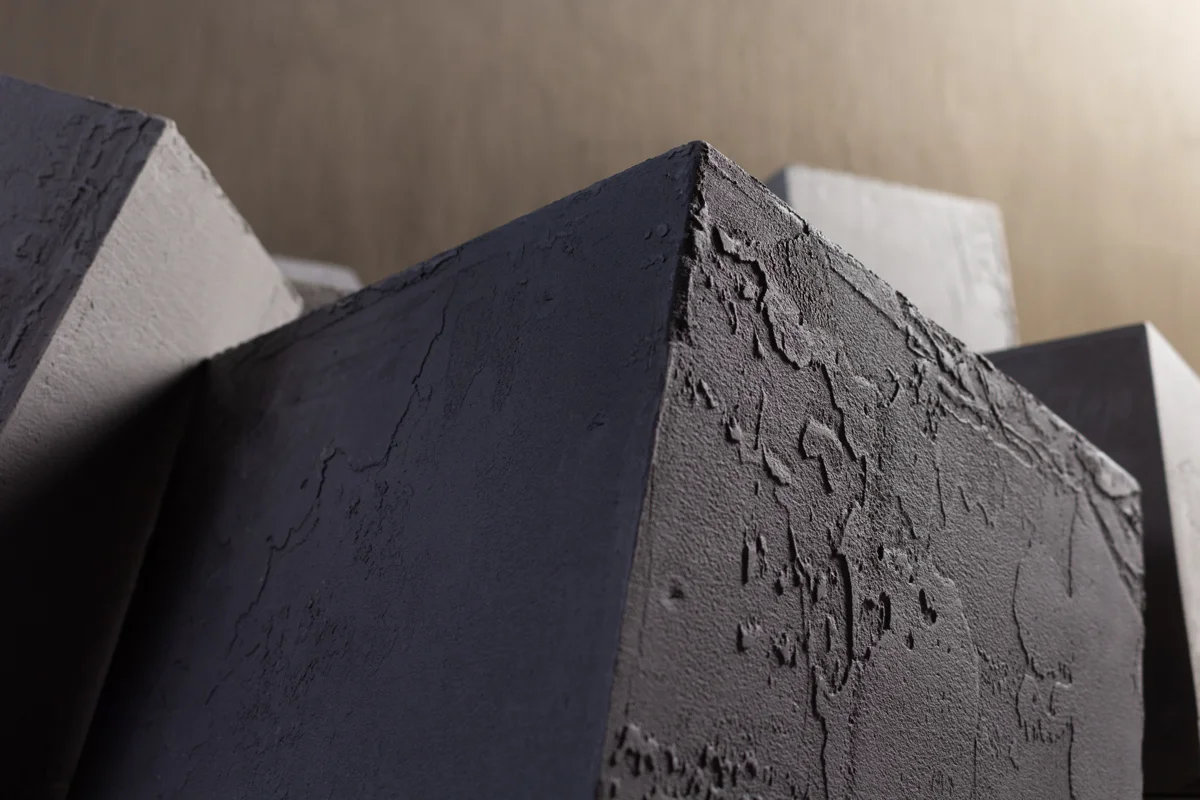
For the aluminium industry, Tokai COBEX supplies a complete cathode product range, including amorphous, graphitic and graphitised cathode blocks, together with sidewall blocks and ramming pastes. The company also provides technical support to aluminium smelters, while product development focuses on improving pot life, productivity and energy efficiency.
The company leads in supplying carbon and graphite materials for blast furnaces and metallurgical processes used in the production of silicon metal, ferroalloys, copper, phosphorus, titanium dioxide and other industrial materials.
For forward-thinking aluminium market insights amidst supply chain and price challenges, read "ALuminium LeaderSpeak 2026"
The company has also expanded into battery materials through its E3BAM® synthetic graphite, produced in France for lithium-ion battery anodes. Developed with Tokai Carbon Japan, the material has 99.99 per cent carbon purity and an ultra-low carbon footprint of less than 5 kg CO₂ equivalent per kilogram of battery anode material. They offer high energy density, fast charging capability and long cycle life.
Sustainability remains an important part of Tokai COBEX's operations. The company has invested in emission reduction, air pollution control, water conservation and energy management across its manufacturing facilities. These include gas desulphurisation systems, regenerative thermal oxidisers and graphitisation fume treatment units. It also sources most of its electricity from renewable energy and has improved its sustainability performance, receiving a Silver EcoVadis rating, placing it among the top 9 per cent of companies assessed globally.
China-made modules revive Arctic LNG 2 construction
Next articleChina's H1 2026 solar installations fall 66% after record 2025 additions as developers adjust to pricing reforms
Grow with
AL Circle