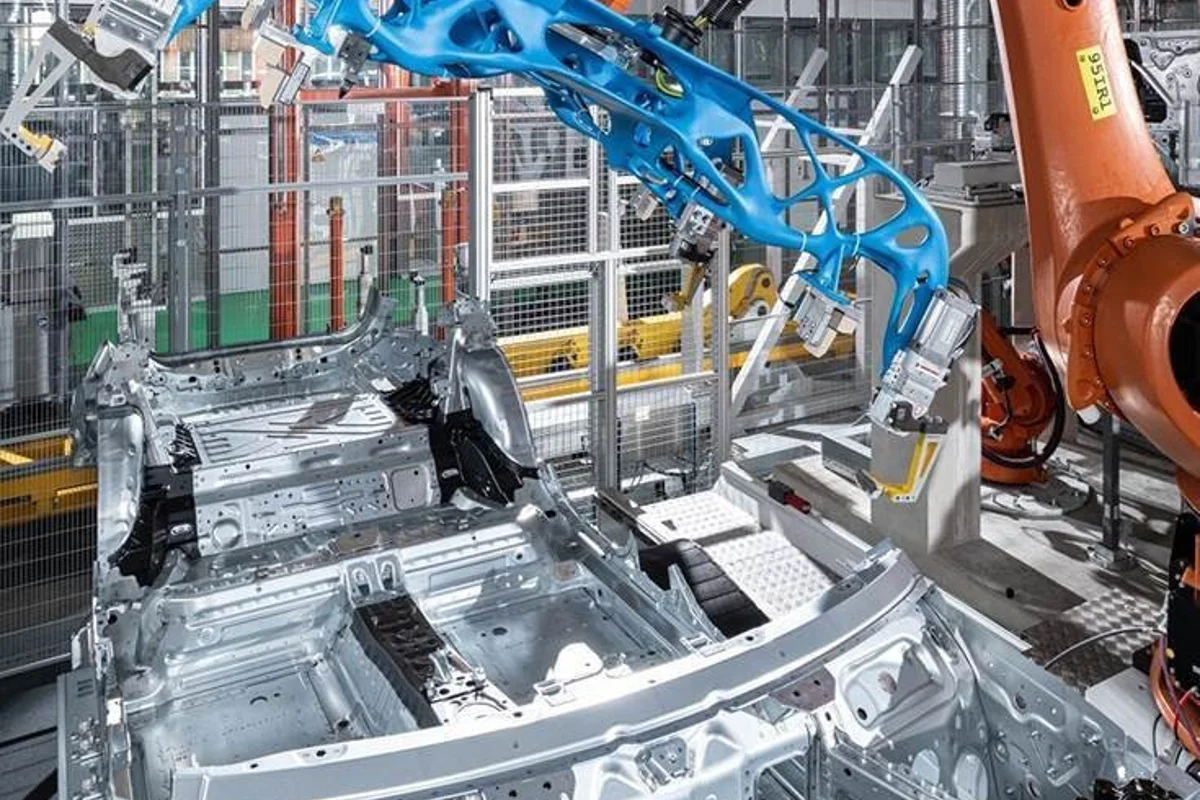
Harnessing over 30 years of experience, the German multinational manufacturer of Luxury vehicles, BMW Group, is a pioneer in additive manufacturing, commonly known as 3D printing. According to reports, BMW Group Plant Landshut has launched a new generation bionic robot gripper crafted through an innovative process utilising a sand casting mould filled with liquid aluminium.
About the new bionic gripper
These new aluminium robotic-grippers are 25 per cent lighter than its predecessor, allowing the entire CFRP roof (Carbon Fiber Reinforced Plastic) manufacturing process for the BMW M3 to be completed with just one robot instead of three. Currently, double grippers, individually manufactured through 3D printing within the BMW Group, are used for all CFRP roofs at the BMW Group Plant Landshut.
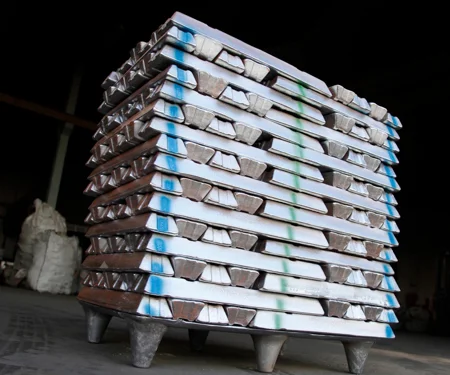
This innovation resulted from analysing and topologically optimising the previous gripper design, creating the bionic robot gripper. This advanced gripper combines the LSP-printed roof shell with SLS vacuums and a bionically optimised bearing structure. The process involves using a mould with printed cores in sand casting, which is then cast with intricate aluminium structures.
These grippers can hold and move the entire floor assembly of a BMW i4. The gripper, optimised for weight and maximum load capacity, weighs just 110 kilograms with all additional components, making it approximately 30 per cent lighter than the previous conventional model.
"The increasing use of additive manufacturing in the BMW Group production system has many benefits. For example, we are able to quickly, economically, and flexibly produce our own production aids and handling robots, which we can individually adapt to specific requirements at any time, as well as being able to optimise their weight. Less weight allows higher speeds on the production line, shorter cycle times and reduced costs. Plus, smaller robots can be used in the medium term, which also cuts CO2 emissions and costs," added Jens Ertel, Head of BMW Additive Manufacturing.
BMW's commitment towards sustainability
Manufacturing with sand casting and aluminium allows for the creation of intricate, load-optimised structures, resulting in significant weight reduction. This innovation enables the medium-term use of smaller, lighter, heavy-duty lifting robots, which consume less energy and reduce CO2 emissions.
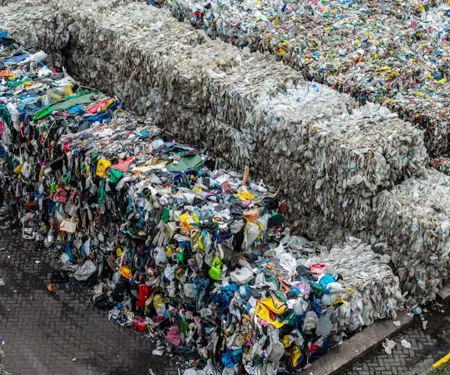
The gripper's construction integrates elements produced through selective laser sintering (SLS) and large-scale printing (LSP), incorporating recycled materials to achieve this feat. Notably, these methods contribute to a significant reduction in CO2 emissions, estimated at approximately 60 per cent compared to conventional manufacturing techniques.
"With an optimised bearing structure produced using 3D printing, we were able to increase the rigidity of the gripper when handling door elements at the plant in Regensburg while at the same time reducing weight. In subsequent projects, it is then possible to use robots with a low bearing capacity, which helps to cut costs," said Florian Riebel, Head of Door and Flap Production in Regensburg.
The BMW Group also utilises 3D-printed grippers in chassis construction. For instance, at BMW Group Plant Regensburg, grippers produced through the LSP process handle doors. BMW's commitment to additive manufacturing transcends the realm of robot grippers. At the 'Additive Manufacturing Campus' in Oberschleissheim, the BMW Group's central hub for 3D printing production, research, and training, more than 300,000 parts were printed in 2023. Additionally, over 100,000 printed parts were produced annually across the global production network, including plants in Spartanburg, Germany, and various Asian sites.