Industry insiders revealed that Chinese exporters in diverse sectors, including aluminium products, used cooking oil (UCO), and solar power equipment, are preparing to hike prices and renegotiate contracts following Beijing's decision to cut tax incentives.
The policy change, announced on November 15, 2024, will take effect on December 1, 2024, and significantly impact exporters. The export tax rebate rate for certain products, such as refined oil, photovoltaic components, batteries, and specific non-metallic mineral products, will drop from 13 per cent to 9 per cent. Moreover, the rebate will be entirely eliminated for aluminium and copper products as well as chemically modified oils and fats, including UCO.
The move is expected to send ripples across global markets. Analysts predict metal exporters will expedite shipments ahead of the December deadline to avoid the higher costs. However, UCO exporters may adopt a different strategy, delaying deliveries to renegotiate terms with buyers.
Industry stakeholders warn the changes could lead to higher costs for international buyers of Chinese goods, potentially straining global supply chains. "This policy shift reflects Beijing's focus on recalibrating its export-driven growth model," noted a market analyst, emphasising the broader implications for trade partners reliant on Chinese exports.
As exporters adjust to the new landscape, the coming weeks will likely see a rush of activity and strategic pivots as businesses aim to mitigate the impact of reduced tax incentives.
Ye Bin, Chairman of Chinese UCO exporter Sichuan Jinshang, said, "For December-loading UCO, export shipments could be delayed or cancelled due to the policy change as parties will seek to renegotiate contracts."
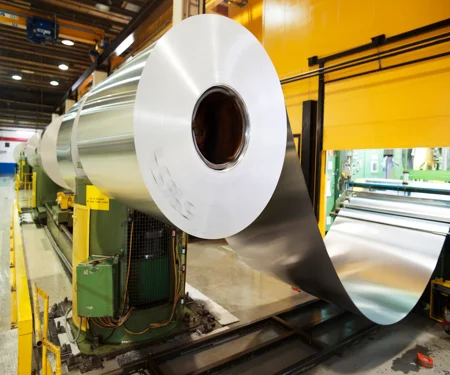
Beijing's recent announcement sparked a surge in aluminium prices on the London Metal Exchange and U.S. soybean oil prices last November 15, 2024, driven by concerns over potential restrictions on Chinese exports. However, prices have eased by November 18, 2024. China's policies significantly influence global markets as the world's largest aluminium producer and a key exporter of semi-finished aluminium used across industries such as transportation and packaging.
China introduced its export tax rebate system in April 1985 to stimulate exports by refunding indirect taxes incurred during the production and distribution of goods destined for international markets. This policy was designed to boost the global competitiveness of Chinese exports and align with international trade norms, such as those outlined by the WTO. Solar photovoltaic products were brought under this framework in 2003.
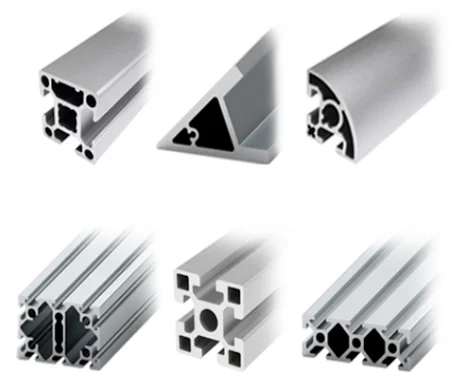
Recently, the U.S. Department of Commerce imposed significant anti-dumping duties, ranging from 2.02 per cent to 376.85 per cent, and countervailing duties, ranging from 1.44 per cent to 168.81 per cent, on aluminium extrusions imported from 14 countries, including China.
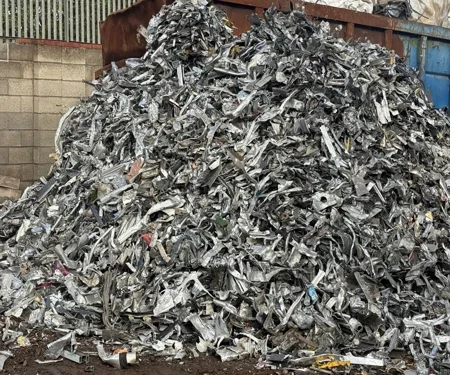
Analysts at Shanghai Metals Market (SMM) said, "The cancellation of the tax rebate for aluminium products will raise exporters' costs, curbing their interest in shipping cargoes abroad."
"Almost all the aluminium products exported by China will be affected by the tax change. From January to September this year, China exported 4.62 million tonnes of the kinds of aluminium products that will be affected", SMM said.
A Singapore-based aluminium trader noted that despite the higher costs, the international market will continue to rely on Chinese shipments to bridge the supply gap.
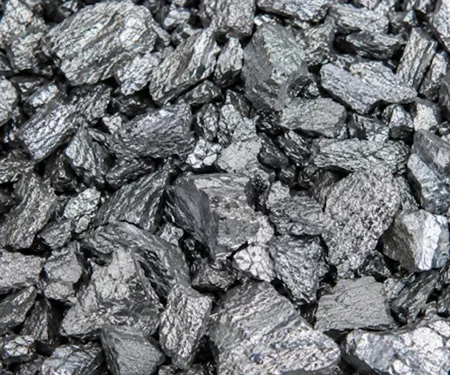
Image Credit: Fengbao Pipe Industry
Information Credit: Reuters












_md.webp)