Automakers accelerate to stockpile aluminium as Middle East conflict disrupts supply
Global automakers are accelerating aluminium procurement as the ongoing Middle East conflict continues to disturb supply chains, disrupting production and trade routes, thereby raising concerns over near-term supply shortages and escalating costs. The situation has catalysed a wave of precautionary purchases. As the conflict advances towards a full month, executives from automakers and component suppliers observe that companies are building emergency reserves.
Explore- Most accurate data to drive business decisions with Global ALuminium Industry Outlook 2026 across the value chain
Shipping disruptions and regional exposure
The Gulf Corporation Council (GCC) nations produce about 10 per cent of global refined aluminium, making the region an essential supply hub. Europe sources approximately 14 per cent, and Japan, around 25 per cent of their aluminium demand from the region.
However, shipments remain exposed to disruptions through the blocked key transit corridor of the Strait of Hormuz. Concurrently, inflated prices of Liquefied Natural Gas (LNG) have further constrained production levels in the region.
Automotive executives warn that prolonged disruptions could force production cuts by the mid of 2026. The present conditions were termed “extremely turbulent” by a Japanese carmaker, projecting a production cut within four months if supply constraints persist.
Panic buying and search for alternatives
Energy challenges and logistical bottlenecks, affecting both import and export of raw materials, have prompted major producers in the Gulf region, viz., Aluminium Bahrain (Alba) and Qatalum amongst others, to scale back aluminium smelting operations.
Given aluminium’s vital role in aerospace, automotive and construction sectors, the impact is cascading across multiple industries. An aluminium industry executive remarked, “If the situation continues, there will be more panic buying,” and added, “This crisis is very different from previous ones.”
Don't miss out- Buyers are looking for your products on our B2B platform
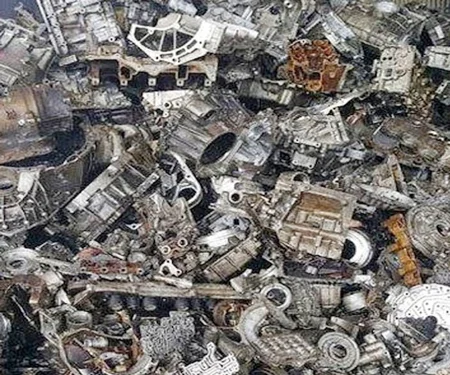
Automakers in Western markets are facing difficulties in securing fresh supplies, increasingly relying on existing inventories. Some companies have turned to maximising recycled scrap usage to offset shortages.
Despite ongoing geopolitical tensions, Japanese manufacturers are considering sourcing alternatives such as imports from Russia. Koji Sato, CEO of Toyota, acknowledged that Japanese automakers are reassessing supply chains due to their dependence on Gulf-origin aluminium.
Prices rise as supply chain stress intensifies
The London Metal Exchange (LME) aluminium prices have soared by 12 per cent (approx.) since the conflict began, with regional premiums in the US, Europe and Japan continuing on a rising graph.
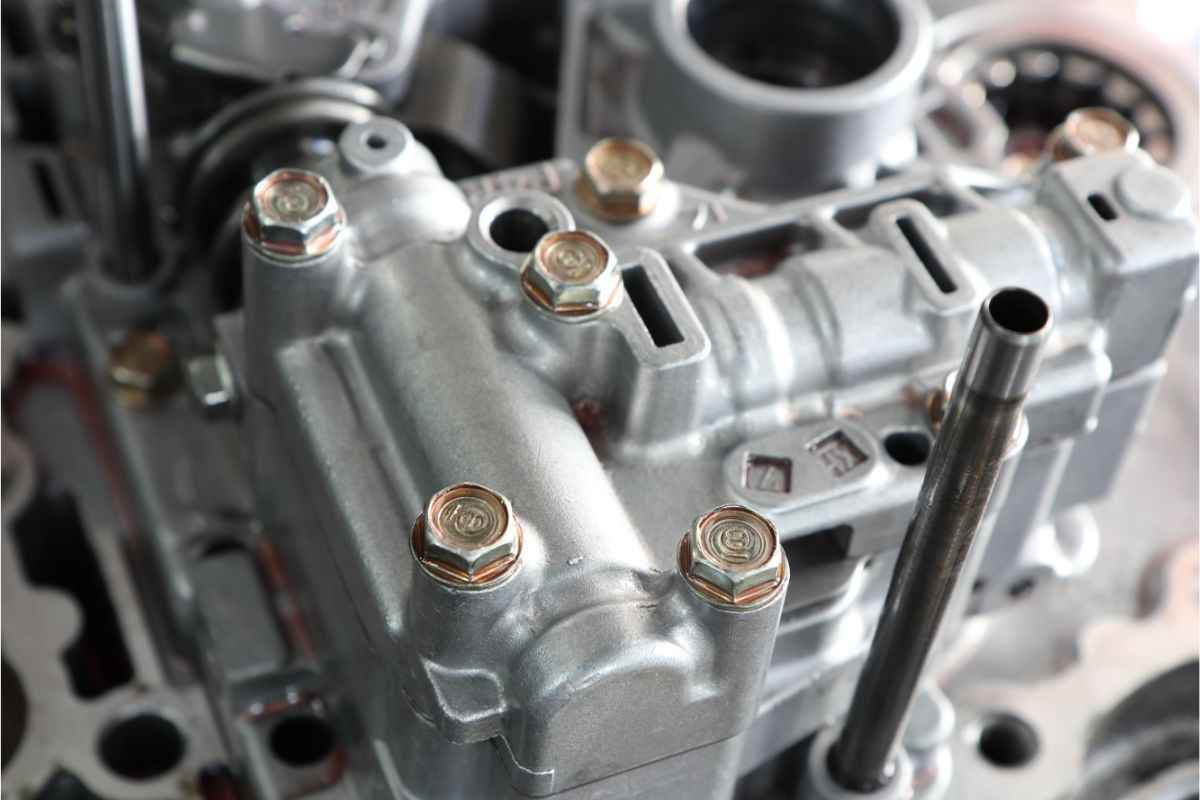
Customised aluminium products used in automotive manufacturing, such as alloys for wheels and engine components, are faced with dire scarcity. Industry experts note that identifying and qualifying alternative suppliers could take up to 18 months due to stringent technical requirements.
Dan Hers, a supply chain specialist at AlixPartners, has warned manufacturers that they remain exposed to further disruptions. He noted that after navigating tariffs and supply chain challenges over the past year, companies cannot sustain any more disruptions.
Must read: Key industry individuals share their thoughts on the trending topics

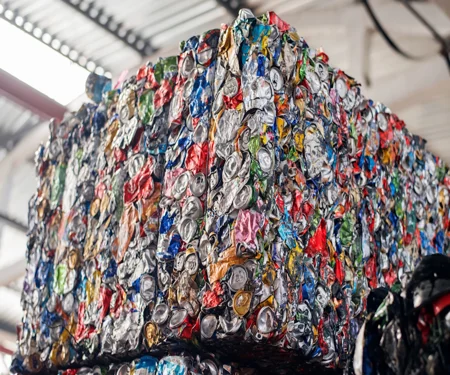
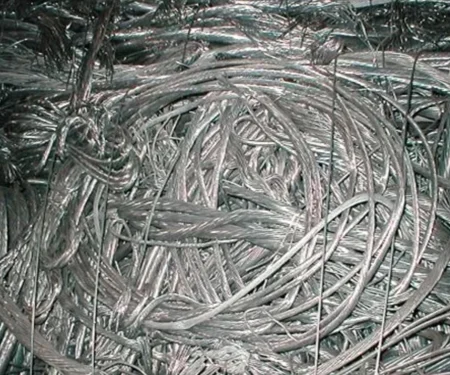
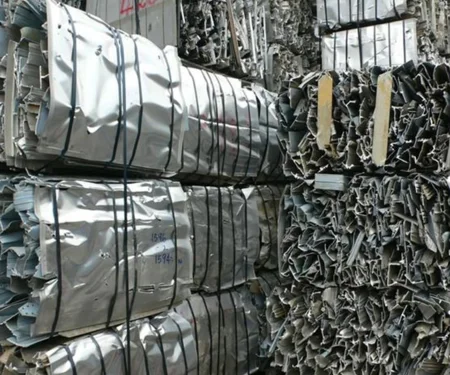
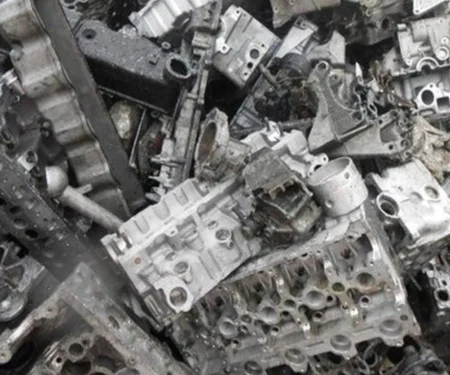
Image for referential purposes only.
BIS mandates ISI certification for aluminium utensils and cans from October 1
Next articleGas crunch hits India’s brewers, disrupts aluminium can supply and raises costs
Grow with
AL Circle