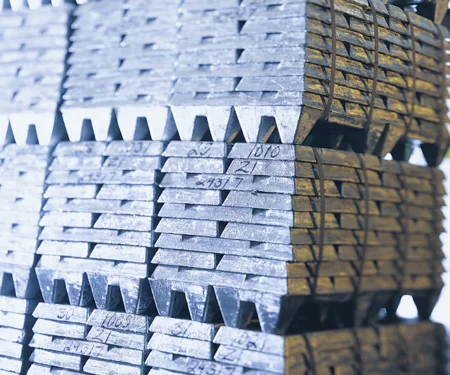
Aluminium over copper solar cable? FRCABLE’s cost-efficient metal alternative
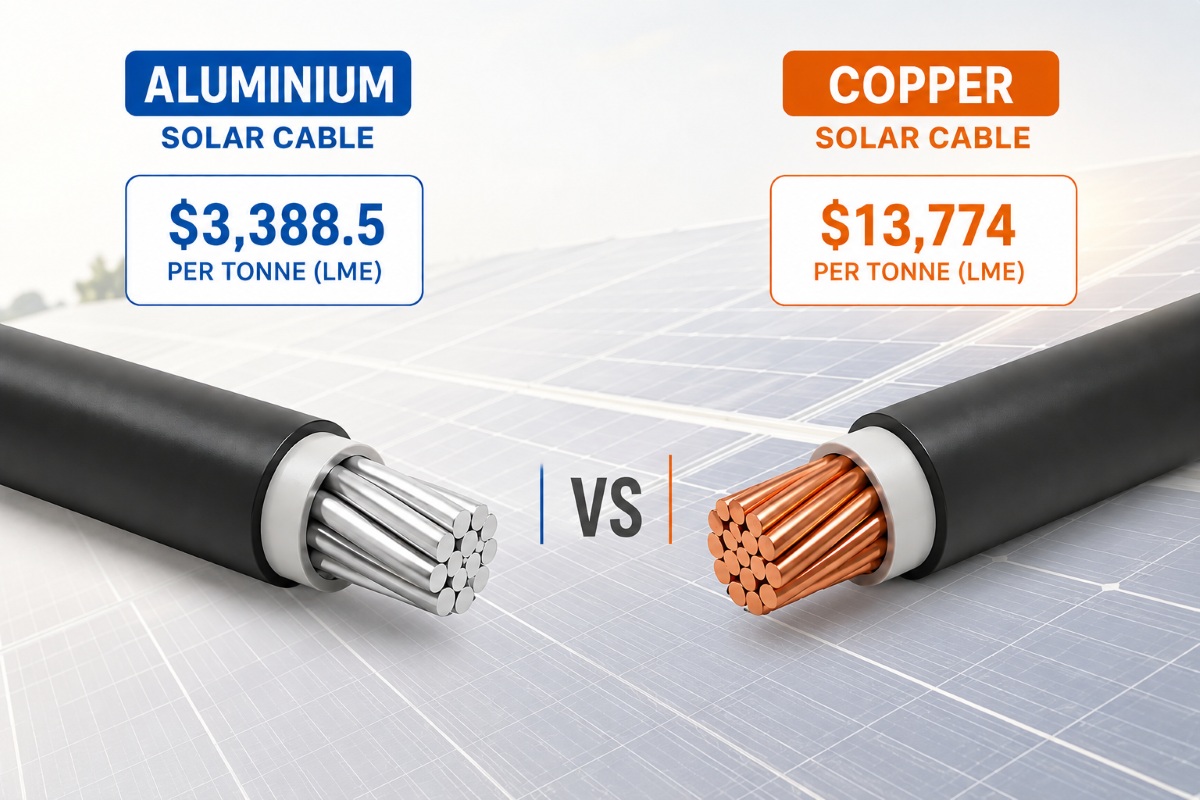
The image used in this article is generated with an AI tool and does not depict any real-time moment
As solar projects continue to expand across the globe, aluminium conductor cables are increasingly being adopted across DC collection systems, AC transmission lines and medium-voltage interconnections. With lower material costs than copper and advanced aluminium alloy conductors, the metal is increasingly being adopted in the solar cable sector.
FRCABLE, a China-based solar cable manufacturer, has regarded aluminium as a practical option for large-scale photovoltaic projects, citing its potential for reducing balance-of-system (BOS) costs while maintaining electrical performance and reliability standards.
Discover: The Gulf aluminium market risks, China impact, alumina supply, carbon costs, and logistics disruptions shaping pricing and trade in Gulf Disruption Roadmap
The company noted that modern solar cables implement AA-8000 series aluminium alloys, which, unlike earlier aluminium conductor technologies, offer improved flexibility, corrosion resistance and reduced creep. Upon proper installation, the cables can deliver parallel current-carrying performance at a remarkably lower cost than copper.
Growing copper prices and supply-chain constraints over the past two years have further accelerated interest in aluminium conductors. Utility-scale solar projects, especially those with long DC string runs, AC collection systems, or underground trunk cable specifications, are increasingly considering aluminium as an alternative. Using aluminium in a 500 MW project would save a considerable sum of capital, thereby improving project economics.
The equation becomes clear by studying the London Metal Exchange (LME) price graph. At present, the three-month benchmark price for copper is at USD 13774 per tonne. Meanwhile, the LME aluminium three-month Asian Reference benchmark stands at USD 3388.5 per tonne, marking the staggering 75.4 per cent pricing difference between the two metals and indicating the lower-cost edge offered by aluminium.
According to FRCABLE, its aluminium solar cable portfolio includes products designed for utility-scale, commercial and hybrid applications, with conductor sizes ranging from 10 mm² to 500 mm² and compliance with international standards such as IEC 60502 and EN 50618 adaptations.
Must read: Key industry individuals share their thoughts on the ALuminium LeaderSpeak 2026
The manufacturer noted that it benefits from the scale of dedicated aluminium conductor extrusion lines and in-house alloy processing, maintaining shorter lead times and tighter quality control than externally sourced conductors.
Referring to the capacity of aluminium cable systems to deliver full performance at a lower cost, FRCABLE emphasises that opting for aluminium over copper is not a compromise but a choice for optimal engineering purposes.
Thus, the company believes that aluminium cables are expected to play a larger role in future renewable energy infrastructure projects.

First exclusive trade fair and congress for metal packaging in Latin America presented to the market at launch event in São Paulo
Next articleBoston Beer to pay a hefty $191m penalty to aluminium can maker Ardagh
Grow with
AL Circle