Aluminium falls 0.73% in India as supply recovery, China exports and stronger dollar pressure prices

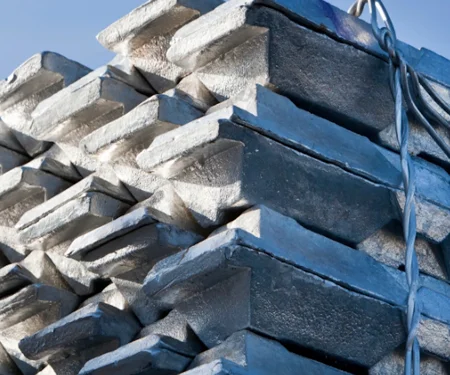
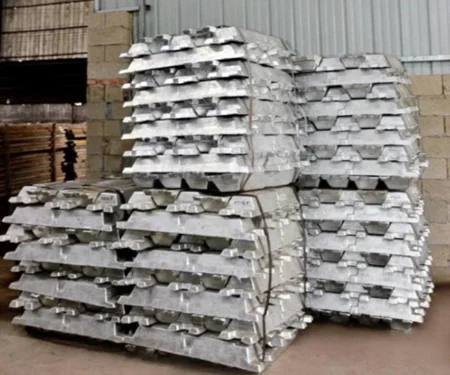
The image used in this article is generated with an AI tool and does not depict any real-time moment
Aluminium prices came under renewed pressure on October 1 as expectations of improving supply, stronger Chinese exports and a firmer USD weighed on the market. Aluminium settled 0.73 per cent lower at INR 340.65, while expectations of tighter US monetary policy added to the broader macroeconomic pressure.
The decline comes as several aluminium smelters prepare to restart previously idled capacity, while others move ahead with expansion plans. These developments are raising expectations that global aluminium availability could improve in the coming months.
China exports add to supply pressure
China is emerging as another important factor for the aluminium market. Rising exports are partly offsetting supply disruptions in the Gulf, with August aluminium exports increasing 17.2 per cent year-on-year, amid subdued domestic demand and elevated inventories.
The export momentum was also visible in July. China's exports of unwrought aluminium and aluminium semis rose 18.6 per cent Y-o-Y to 643,000 tonnes, while exports during January-July climbed 16.7 per cent Y-o-Y to 4.04 million tonnes.
At the same time, China's aluminium output increased 3 per cent Y-o-Y to a record 3.87 million tonnes in August, even as global aluminium production declined 1.5 per cent over the same period.
Gulf supply remains disrupted
Supply conditions in the Gulf remain more complicated. Aluminium Bahrain was operating at an annualised rate of 1.3 million tonnes, around 19 per cent below its pre-war capacity, while production lines 1, 2 and 3 had been shut following disruptions to exports through the Strait of Hormuz.
The disruption was reflected in regional production figures, with GCC aluminium output plunging 43 per cent Y-o-Y to 299,000 tonnes in August. By comparison, production in Russia and Eastern Europe increased 7 per cent while output in Asia excluding China rose 2 per cent.
Explore the production, demand and consumption forecasts of bauxite and alumina in our report: "Global Bauxite & Alumina Market Forecast to 2036: Supply–Demand, Trade Flows & Price Outlook"
Exchange stocks send mixed signals
While improving production prospects and stronger exports are weighing on prices, exchange inventories point to tighter availability in some parts of the market.
SHFE aluminium stocks fell by 57,244 tonnes, while LME inventories declined by 15,575 tonnes, indicating a drawdown in exchange-held stocks. Japanese aluminium inventories at three major ports, however, increased 22.7 per cent month-on-month to 246,600 tonnes at the end of August.
The mixed inventory picture highlights the competing forces currently shaping aluminium prices: expectations of higher future supply are being balanced against tighter stocks in major exchanges and continuing disruptions in the Gulf.
Alcoa cuts alumina production guidance
On the raw-material side, Alcoa lowered its 2026 alumina production guidance by 200,000-300,000 tonnes to 9.5-9.6 million tonnes. The reduction followed disruptions at its Pinjarra refinery caused by Cyclone Narelle and bauxite contamination.
The development adds another variable to the aluminium supply chain, particularly as alumina availability remains closely linked to smelter operating conditions.
Explore primary aluminium suppliers, product listings and trade opportunities on the AL Biz platform.
Stronger dollar adds pressure
Currency movements are also weighing on aluminium. The U.S. dollar has strengthened, while expectations of tighter U.S. monetary policy have added to the pressure on industrial metals. A stronger dollar generally makes dollar-denominated commodities more expensive for buyers using other currencies.
The dollar index was around 101.38 on October 1, according to market data cited alongside the aluminium move.
For now, aluminium prices are therefore caught between two opposing forces: expectations of improving physical supply and stronger exports on one side, and tighter exchange stocks and ongoing Gulf disruptions on the other.
Aluminium price outlook
In the near term, market positioning remains cautious. Aluminium was described as being under long liquidation, with open interest declining 1.86 per cent to 4,063 as prices fell INR 2.50. Technical support was identified at INR 338.20, with a break below that level potentially exposing INR 335.80. On the upside, resistance stood at INR 343.90, followed by INR 347.20.
The immediate direction of aluminium prices will consequently depend on how quickly idled smelting capacity returns, whether Chinese exports remain elevated and how Gulf production disruptions evolve, while currency and U.S. monetary-policy expectations continue to influence the broader commodities market.
Rio Tinto’s Bell Bay aluminium smelter secures five-year extension with $200m support
Next articleChina Steel Aluminum to invest $32m in Taiwan's smart manufacturing plant
Grow with
AL Circle