China’s aluminium imports flat, exports slump; molten-metal shift keeps physical ingot tight despite 163,600 tonnes net inflow
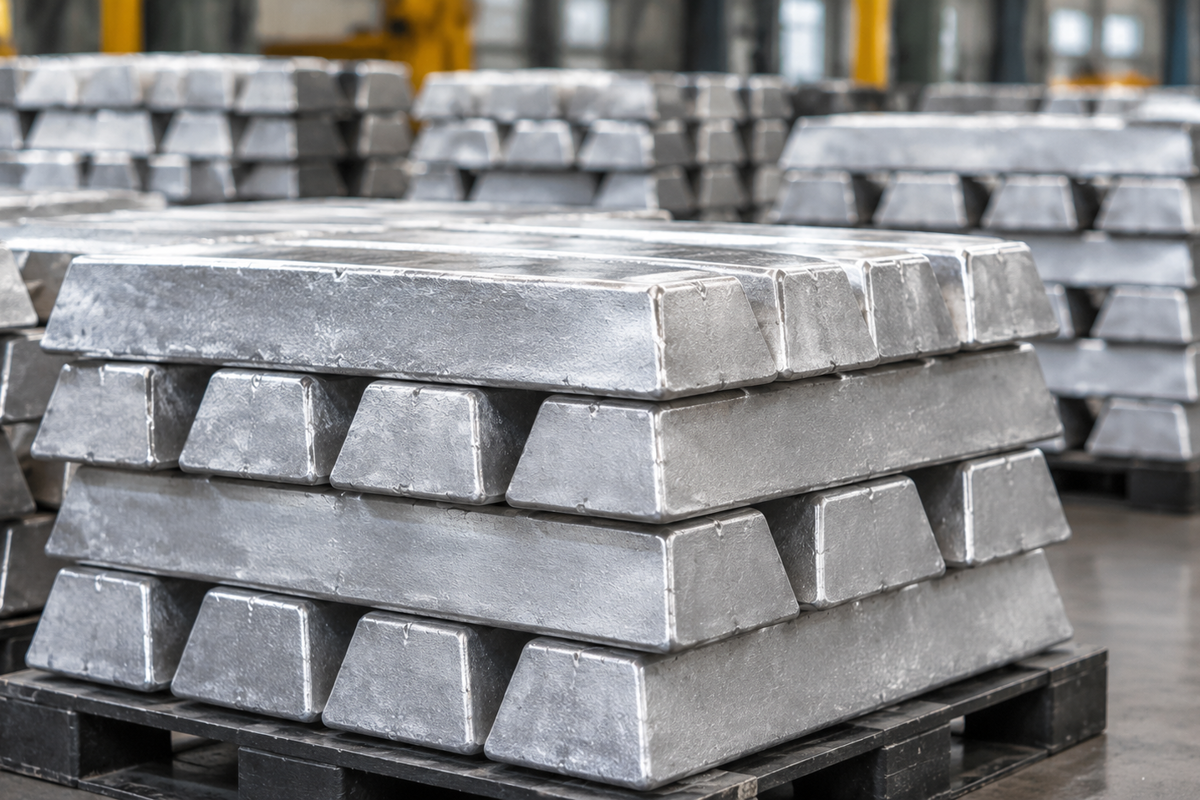
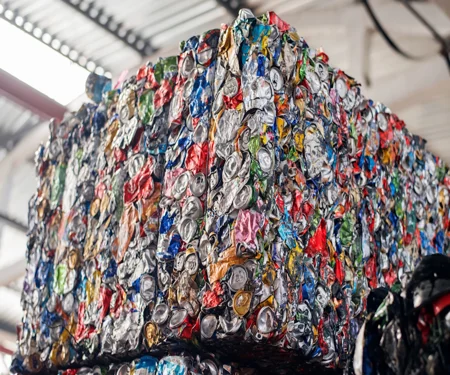
The image used in this article is generated with an AI tool and does not depict any real-time moment
According to data released by the General Administration of Customs of the People’s Republic of China(GACC), China’s primary aluminium imports totalled 185,500 tonnes in August 2026, down 14.65 per cent year-on-year (YoY) and up just 0.16 per cent month-on-month (MoM). For January–August, cumulative imports reached 1.66 million tonnes, down 3.41 per cent YoY. August exports stood at 21,900 tonnes, down 14.53 per cent YoY and 30.48 per cent MoM. Cumulative exports for the first eight months were 167,500 tonnes, up 9.26 per cent YoY. Net imports in August came to 163,600 tonnes, down 14.67 per cent YoY but up 6.44 per cent MoM; the January–August cumulative net import total was 1.49 million tonnes, down 4.65 per cent YoY.
In aggregate terms, August imports were essentially flat MoM while exports contracted sharply. Net imports edged higher MoM but remained negative YoY, confirming that the “tighter-than-last-year” import posture has persisted through 2026.
By country of origin, Russia remained the dominant supplier, with imports of 178,150 tonnes accounting for the overwhelming majority of the total. Australia, Indonesia, and Malaysia ranked second through fourth, at 2,920 tonnes, 2,180 tonnes, and 1,800 tonnes respectively, followed by smaller volumes from Oman, New Zealand, and others. Sourcing remains highly concentrated, with Russia as the core supply base.
On the export side, destinations are more diversified. The main markets in August were India (6,520 tonnes), South Korea (5,730 tonnes), and Japan (2,540 tonnes), with Indonesia, the UAE, and China’s Taiwan region also receiving notable volumes. Exports to the United States were just 270 tonnes.
Asian near-shore markets account for essentially all primary aluminium exports, with individual country volumes only at the thousand-tonne scale. This reflects that Chinese firms’ overseas expansion runs through aluminium products, alloys, and extruded profiles rather than direct primary metal exports. Given U.S. tariffs, the domestic-international price ratio, and the value-added logic of downstream processing, direct primary aluminium exports will stay structurally low, meaning export volumes of primary ingot should not be read as a proxy for overseas demand.
Under a conventional supply-demand framework, net imports of over 100,000 tonnes per month should weigh on inventories. Yet traders’ inventories of aluminium ingots have kept drawing down. The key driver is that the share of directly supplied molten aluminium now exceeds 70 per cent, squeezing the volume of cast ingots available for warehousing.
At the same time, demand from new-energy vehicles, energy storage, grid upgrades, and photovoltaic frames, where primary aluminium is substituting for scrap, remains robust, so imported ingots are absorbed by fabricators almost immediately upon arrival.
While the domestic-international price spread continues to sway import volumes, inbound aluminium has not reversed the drawdown of traders’ inventory, reinforcing a positive feedback loop that underscores resilient demand for primary aluminium in China.
Note: This article has been shared by Mysteel and has been published by AL Circle with its original information without any modifications or edits to the core subject/data.
NALCO to reach ₹190-200 billion revenue as ₹250 billion FY31 expansion target progresses
Next articleNeuman Aluminium’s Mexico expansion gets Jasper’s 40-tonne melting furnace
Grow with
AL Circle