Alcoa shares drop 30% as aluminium market cools on Middle East supply hopes

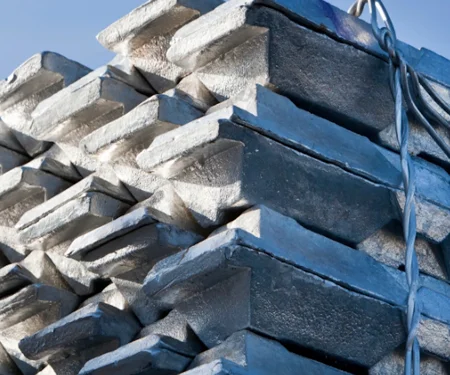
Stock image for referential purposes only
Alcoa shares (ASX: AAI) have come under pressure, dropping 30 per cent over the past three weeks as aluminium prices softened on expectations that supply disruptions owing to the Middle East conflict may gradually ease.
On Tuesday, Alcoa's Australian-listed shares fell 4.17 per cent to close at AUD 80.42 (USD 55.48), wiping out the gains reported earlier in 2026. The decline remained at par with another weak session for aluminium on the London Metal Exchange (LME), whereby the aluminium cash price dropped to a three-month low of USD 3,263.5 per tonne from USD 3,405 per tonne the day before, representing a 4.16 per cent plunge.
Although aluminium remains about 11 per cent higher year-to-date (YTD), the latest development marks a sharp reversal from the four-year highs recorded in April and later in May, reaching the highest mark on June 2 when fears surrounding supply disruptions from the Strait of Hormuz closure pushed prices higher.
Discover: The Gulf aluminium market risks, China impact, alumina supply, carbon costs, and logistics disruptions shaping pricing and trade in Gulf Disruption Roadmap
Supply concerns begin to ease
Market sentiment has shifted as Gulf aluminium producers are gradually restoring supply chains. Shipping activity through the Strait of Hormuz has reportedly improved, allowing smelters to rebuild inventories and stabilise operations.
At the same time, aluminium production in China and Indonesia has picked up pace, helping offset supply disruptions from the Gulf region. Chinese producers have pushed for massive production ramp-ups, while aluminium wire exports exceeded 50,000 tonnes in May, the highest monthly level achieved since 2020.
Thus, logistics recovery combined with Asian output boost has reduced the supply tightness that had driven the market to a critical juncture during the Middle East crisis.
Alcoa faces operational challenges
For Alcoa, softer metal prices have added to an already challenging operating environment. Industry data suggests the company's first-quarter (Q1) 2026 profit declined by roughly 22 per cent year-on-year (Y-o-Y), while alumina shipments fell by around 31 per cent amid shipping disruptions and trade flow uncertainties.
To mitigate the impact, Alcoa has been redirecting inventory towards North American and European markets, where regional premiums remain relatively attractive. The company is also continuing debottlenecking and efficiency upgrades across its North American and Canadian smelting assets.
Join our exclusive webinar 'Hedging for recyclers - Become an expert in 6 hours' to stay ahead in the competitive market.
Gulf disruptions still leave a lasting impact
Despite the recent pullback in aluminium prices, industry participants caution that supply risks have not disappeared entirely.
Gulf smelters of the Emirates Global Aluminium (EGA) and Aluminium Bahrain (Alba) sustained damage from the Iranian drone and missile attacks. The attack compelled EGA to shut down 60 per cent of primary production, with its restoration, as per EGA’s official statement, likely to “take up to 12 months.” Compounded by Qatalum’s production capacity being reduced to 60 per cent due to the conflict-induced energy crisis, output continues to be strained.
Consequently, industry analysis estimates the global aluminium market to remain relatively tight through 2026, even as geopolitical tensions ease.
What markets are watching
Moving forward, aluminium prices are likely to be influenced by two competing forces, viz., the pace of Middle Eastern supply recovery and continued production growth in China.
Faster-than-expected restoration of Gulf output could place additional downward pressure on prices, while delays or operational setbacks may revive supply concerns. Meanwhile, sustained high production rates in China could gradually shift the market from deficit toward balance.
On the demand side, consumption is being backed by long-term growth in electric vehicles (EV), renewable energy infrastructure and sustainable packaging. As peace talks lead to an energy cost reduction, the situation could also favour profitability across the aluminium industry.
For the time being, investors remain focused on easing supply risks rather than structural demand growth, leaving both aluminium prices and Alcoa shares searching for a new equilibrium after a volatile first half (H1) of 2026.
Delve deeper: How the American aluminium industry navigates through trade shifts, sustainability pressures, and rapid advances in manufacturing in the American Aluminium Industry: The Path Forward

LME aluminium cash price drops 4.16% to a three-month low of $3,263.5/t as Gulf supply concerns ease
Next articleNew webinar: How autonomous furnace tending addresses cast house safety, productivity and yield challenges
Grow with
AL Circle