A detailed analogy of the global primary aluminium sector amid geopolitical turbulence; Sustainable initiatives on the rise
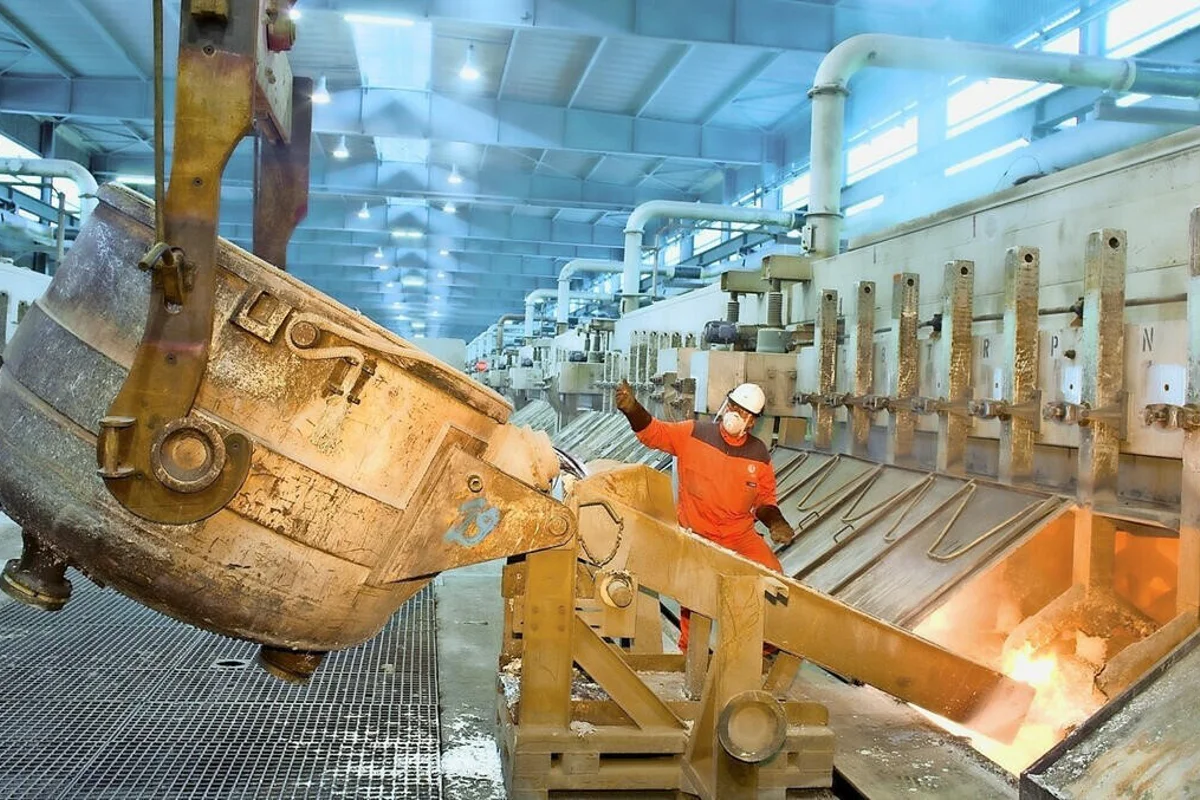
From the tranquil fjords of Norway to the bustling markets of China, each region's aluminium giants have navigated through turbulent waters, propelled by innovation and strategic acumen. Let's find out how the industry giants are dealing with the sudden geopolitical changes resulting in global commodity trade disruptions.
Also, in this article, we will revise all the noble initiatives taken by respective organisations to reduce operational emissions.
Europe: Norsk Hydro's resolve amid fiscal headwinds
In the heart of Scandinavia, Norsk Hydro stands as a beacon of stability amidst fiscal challenges. Despite a dip in Q1 2024 revenue, attributed to fluctuating aluminium prices and extrusion sales volumes, Hydro remains undeterred. Bolstered by increased EBITDA from renewable energy ventures and a resolute commitment to decarbonisation, the Norwegian stalwart charts a course towards sustainable growth, aiming for a promising financial outcome by 2030.
America: Rio Tinto's ascension and Century Aluminum's struggles
Across the Atlantic, Rio Tinto's aluminium production surges, buoyed by the restoration of Kitimat smelter's full capacity. The Anglo-Australian titan reaffirms its commitment to safety and decarbonisation, epitomising responsible industry stewardship.
Meanwhile, Century Aluminum grapples with fiscal headwinds, mirroring a 21.3% decline in net sales for FY2023. Despite challenges, the company anticipates improved prospects in Q1 2024, propelled by favourable raw material costs tempered by lower product premiums.
Russia: RUSAL's response to sanctions
In the crucible of geopolitical tension, RUSAL, Russia's aluminium juggernaut, navigates the repercussions of US and UK sanctions. Clarifying the suspension of deliveries to LME warehouses, RUSAL marks its resilience and ability to meet market demands. Amidst uncertainties, the demand for Russian metal persists, underscoring its enduring relevance on the global stage.
India: Vedanta's bullish trajectory and Hindalco's tactical manoeuvres
On the Indian subcontinent, Vedanta orchestrates a symphony of growth, incrementally raising aluminium selling prices in tandem with global benchmarks. With increased production and favourable market dynamics, Vedanta's trajectory points skyward, reflecting a strategic alignment with global aluminium trends.
Conversely, Hindalco Industries adopts a tactical stance in response to LME price fluctuations, adjusting aluminium prices to maintain competitiveness. Despite short-term adjustments, Hindalco remains steadfast in its commitment to long-term sustainability and profitability.
Australia: South32's strategic milestones amid natural calamities
Amidst the rugged landscapes of Australia, South32 forges ahead, achieving notable operational milestones amidst natural adversities. Despite disruptions caused by tropical cyclone Megan, South32 charts a course of recovery, showcasing operational excellence and strategic foresight. The company's investments in portfolio transformation underscore its resilience in the face of adversity, epitomising a commitment to long-term growth and sustainability.
China: Tianshan Aluminium's steady course amid market volatility
In the bustling metropolises of China, Tianshan Aluminium navigates through volatile markets, steadfast in its pursuit of stability amidst fluctuating energy costs and sluggish primary metal prices. Despite a dip in operating income and net profit for CY2023, Tianshan Aluminium's steady growth in production signifies resilience and adaptability in the face of adversity.
Geopolitical Ripples: The Red Sea crisis and Russian-Ukraine tensions
Against the backdrop of geopolitical tensions, the primary aluminium sector remains resilient, weathering the storm of the Red Sea crisis and the escalating conflict between Russia and Ukraine. While uncertainties loom on the horizon, industry leaders exhibit a steadfast commitment to sustainability, innovation, and strategic resilience, underscoring the enduring strength of the global primary aluminium sector in turbulent times.
Primary aluminium production and recycling initiatives go hand in hand in achieving sustainability goals. While primary production meets current demand, recycling helps reduce energy consumption, minimise environmental impact and conserve resources. By integrating recycled materials into primary production, companies can significantly reduce carbon emissions and move closer to achieving global Net Zero targets outlined in the Paris Environmental Act 2015. A few recent sustainable initiatives have been listed below:
Europe: Tesem and Constellium forge sustainable partnerships
In Europe, Tesem, a Spanish group, has joined forces with Constellium, a leading aluminium supplier, to champion closed-loop aluminium recycling. Together, they are producing high-end packaging components for luxury brands, demonstrating a commitment to sustainability in the industry. Constellium's Ravenswood plant in West Virginia has secured substantial funding to deploy zero-carbon technology, marking a significant stride towards emission reduction and operational efficiency. Constellium has shut down its coal-fired power station at its Singen facility in Germany, completing its shift away from coal usage worldwide. The Singen plant, one of Constellium's largest sites, has transitioned to natural gas, expecting to reduce direct greenhouse gas emissions by over 25% from 2021 to 2025. This move aligns with Constellium's sustainability goal to decrease carbon emissions intensity by 30% by 2030. The Managing Director of Constellium Singen, Jochen Chwalisz, emphasized that this transition marks a significant milestone for the company, the facility, and the community. Constellium's Singen facility achieved ASI certification in 2019 and provides responsibly sourced aluminium solutions for the automotive and packaging sectors.
Russia: RUSAL leads the charge in aluminium recycling
RUSAL, a prominent player in the Russian aluminium sector, is expanding its recycling initiatives to meet the growing demand for sustainable products. By incorporating recycled content into rolling slabs, RUSAL is setting new paradigms for environmental stewardship and product quality. This strategic focus on recycling aligns with RUSAL's broader commitment to sustainability and carbon footprint reduction.
India: Vedanta's green energy endeavours
Vedanta Aluminium, India’s largest aluminium producer, is implementing a greener fuel mix composed of biomass briquettes at its aluminium refinery in Odisha to achieve Net Zero Carbon by 2050. This move will help reduce greenhouse gas emissions by over 10,000 tonnes of CO2 equivalent annually and decrease the company’s reliance on fossil fuels. In addition, Vedanta is also sourcing renewable energy for its operations nationwide and exploring the use of biodiesel as a green fuel alternative for its commercial vehicles.
Australia: Rio Tinto's clean energy transition
Rio Tinto's collaboration with Sumitomo Corporation to build a hydrogen plant in Australia underscores the country's commitment to clean energy transition in the aluminium sector. This initiative not only aims to reduce carbon emissions but also showcases Australia's potential as a hub for sustainable aluminium production. By embracing clean energy technologies, Rio Tinto is showing the path toward a greener future for the Australian aluminium industry.
China's role in the global recycled aluminium sector cannot be understated. As a major player in aluminium production and consumption, China's advancements in recycling technologies and sustainable practices contribute significantly to the global landscape.
The global aluminium sector is witnessing remarkable growth and innovation across diverse regions. From Europe to America, Russia to India, and Australia to China, stakeholders are embracing sustainable practices, investing in renewable energy, and pioneering groundbreaking initiatives to eradicate carbon emissions and promote environmental responsibility. As the industry continues to evolve, partnership, innovation, and a steadfast commitment to sustainability will remain paramount in shaping its future trajectory towards a greener and more sustainable tomorrow. If you wish to have a complete overview of the global aluminium sector, have a look at AL Circle's specially curated reports.
Unlock full access – sign up for FREE.
Key benefits
Vedanta expects its aluminium production to reach 2.3 to 2.4 million tonnes by FY2025
Next articleNALCO collaborates with CSIR-NGRI to advance geophysical research
Grow with
AL Circle












_md.webp)