您想继续阅读英文文章还
是切换到中文?
是切换到中文?

THINK ALUMINIUM THINK AL CIRCLE

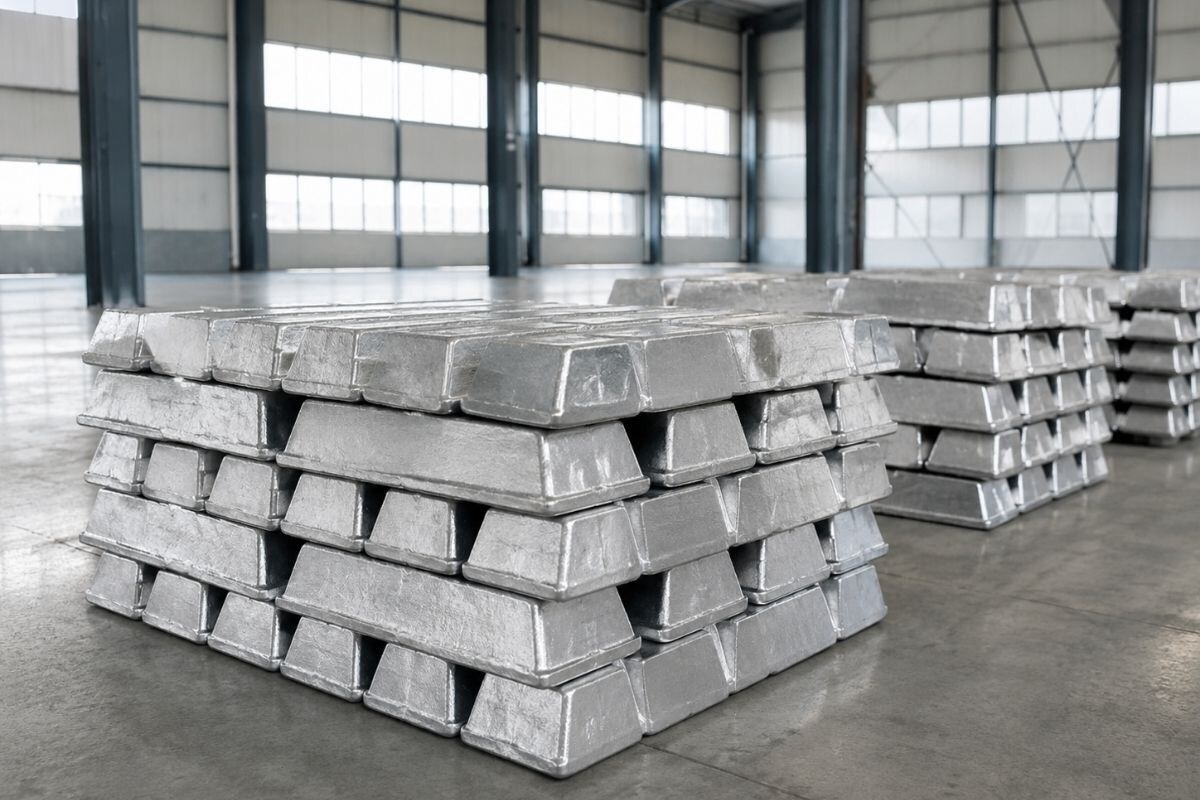
The image used in this article is generated with an AI tool and does not depict any real-time moment
Today, the most-traded SHFE aluminium 2609 contract closed at RMB 23,160 per tonne, edging up 0.56 per cent intraday. Trading volume was 204,700 lots, significantly higher than the previous 113,000 lots. Volume expanded during the rally and contracted on the pullback, indicating limited willingness to chase prices higher, with heavy selling pressure from trapped longs overhead.
{alcircleadd}Open interest was 261,900 lots, up by 572 lots, with divergence among funds widening slightly and the tug-of-war between bulls and bears intensifying. No one-sided capital exit signal emerged. The 5-, 10-, 20-, and 40-period moving averages were intertwined, and prices consolidated tightly around these averages, exhibiting a classic box-type consolidation pattern.
SMM comments: Macro front, the US-Iran conflict continued to escalate. On July 17, the US military continued airstrikes against Iran, while Iran launched large-scale strikes on US targets in Kuwait and Syria and attacked US military-related facilities in Bahrain. Middle East tensions remained volatile, market concerns over rate hikes persisted, and supply continued to recover, but the destocking trend was hard to reverse in the short term.
Amid the tug-of-war between longs and shorts, aluminium prices are expected to consolidate and adjust in the near term. Going forward, close attention should be paid to the pace of production resumptions and geopolitical developments in the Middle East, LME aluminium ingot inventory changes, and domestic downstream processing orders and aluminium semis export data.
Today, the most-traded alumina 2609 contract closed at RMB 2,727 per tonne, up 0.78 per cent intraday. Trading volume was 230,800 lots, down from 449,200 lots in the previous day's surge, with shrinking volume and fading upward momentum, indicating a lack of upward drive. Open interest was 306,900 lots, a decline of 24,200 lots, reflecting short-term exit by bulls; open interest fell from 330,000 lots to 306,900 lots in consecutive reductions.
During the rebound, bulls actively took profits, revealing weak confidence in further gains. After the downtrend was reversed, short-term moving averages turned bullish, but the medium- and long-term moving averages remained downward, characterising the move as a corrective rebound after the decline; a reversal has not been confirmed.
SMM comments: Currently, the nationwide total alumina inventory edged up M-o-M, with limited overall fluctuations. By segment, raw material inventories at aluminium smelters declined, mainly because spot prices remained at relatively high levels, prompting downstream smelters to slow their procurement pace of high-priced raw materials and rely more on drawing down in-factory inventories.
Alumina refinery inventories edged up slightly, but this was offset by maintenance-related production cuts at some Shanxi enterprises and the release of new capacity in south China, limiting the overall increase. At ports, inventories rose as new cargoes arrived. Warrant inventories continued to decline as billing issues and a narrowing spread between futures and spot prices reduced the willingness to ship to delivery warehouses.
In-transit and terminal inventories accumulated, mainly as previously expired warrants were released as spot cargoes, coupled with continuous shipments from Guangxi, boosting supply in circulation. The short-term operating pattern of the alumina market is expected to remain largely unchanged. Some enterprises using domestic ore may schedule maintenance due to tight ore supply, but the impact on monthly production will be limited, and inventory levels will likely remain near current levels. Price-wise, as regional spot supply mismatches gradually ease, the spot price centre may edge down slightly, with prices facing pressure going forward.
Note: This article has been issued by SMM and has been published by AL Circle with its original information without any modifications or edits to the core subject/data.
Responses