您想继续阅读英文文章还
是切换到中文?
是切换到中文?

THINK ALUMINIUM THINK AL CIRCLE

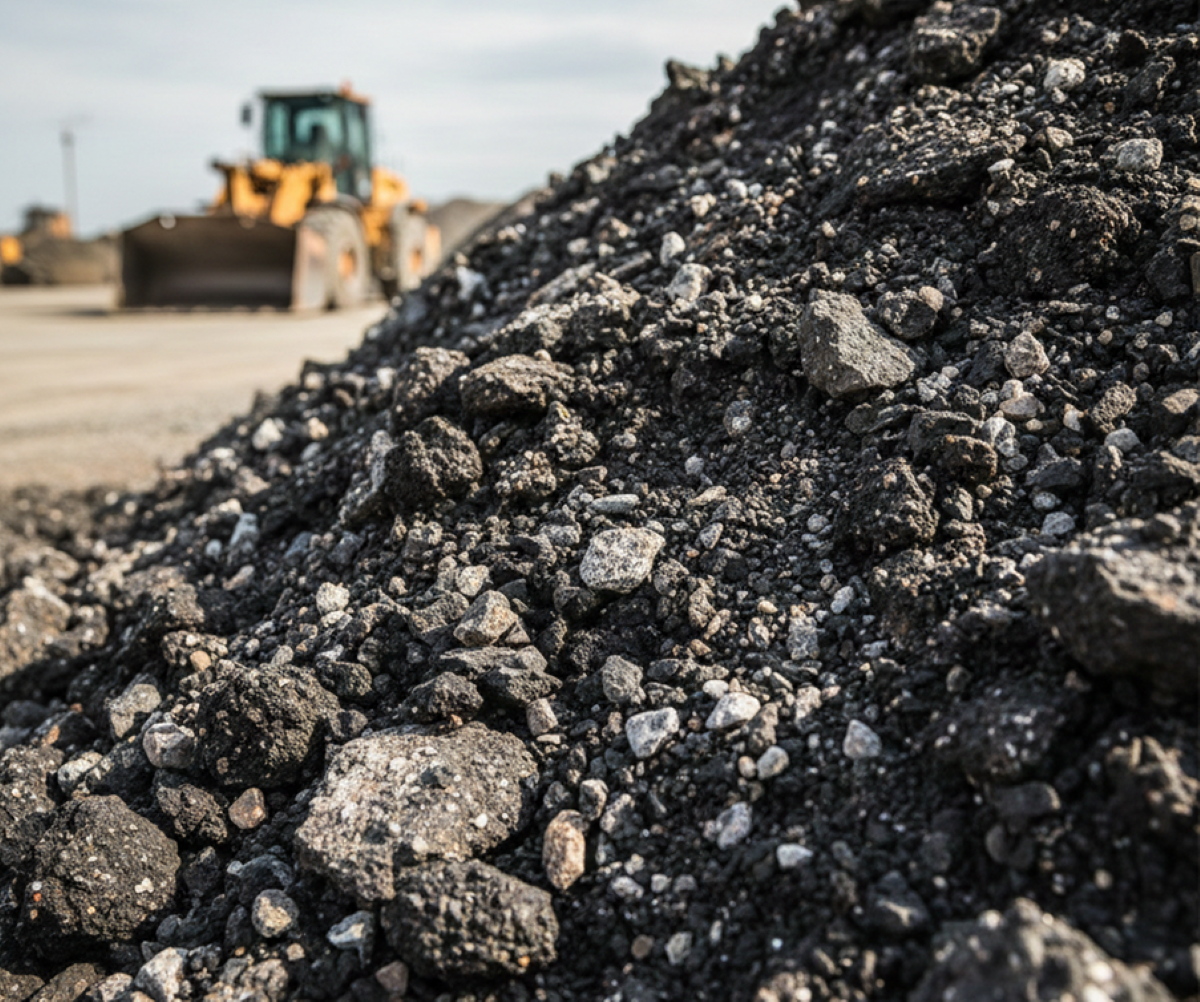
Recycled asphalt, commonly referred to as reclaimed asphalt pavement (RAP), is produced by reprocessing asphalt materials recovered during road resurfacing, rehabilitation, or reconstruction activities. Rather than being disposed of in landfills, the reclaimed material is crushed, screened, and incorporated into new asphalt mixtures.
{alcircleadd}This practice aligns closely with circular economy principles by reducing dependence on virgin raw materials while extending the service life of existing infrastructure assets. As sustainability becomes a strategic priority across construction and transportation sectors, recycled asphalt is increasingly viewed as a practical and scalable solution.
How large is the recycled asphalt market today?
According to Research Intelo, the global recycled asphalt market reached a value of USD 9.8 billion in 2024. The market is projected to expand steadily, reaching USD 16.2 billion by 2033, registering a CAGR of 5.7% during the forecast period.
This growth reflects increasing adoption across both developed and emerging economies, supported by expanding infrastructure programs, cost pressures, and environmental regulations that favor recycled construction materials.
Also read: EU risks losing aluminium scraps as overseas buyers step in
How is sustainability reshaping the asphalt industry?
Environmental sustainability has transitioned from a secondary consideration to a core decision-making factor in infrastructure development. Traditional asphalt production relies heavily on virgin aggregates and bitumen, both of which involve energy-intensive extraction and processing.
Recycled asphalt significantly reduces greenhouse gas emissions, minimises construction waste, and lowers demand for natural resources. These environmental benefits have positioned RAP as a preferred material in projects focused on reducing carbon footprints and meeting long-term sustainability goals.
Which economic factors are driving market adoption?
Cost efficiency remains one of the most compelling drivers of recycled asphalt adoption. Reusing existing pavement materials lowers raw material procurement costs and reduces transportation expenses, particularly in large-scale road maintenance and rehabilitation projects.
Public infrastructure agencies and private contractors increasingly recognise recycled asphalt as a financially viable alternative that supports budget optimisation without compromising performance. Rising volatility in raw material prices has further strengthened the economic case for recycled asphalt solutions.
Explore- Most accurate data to drive business decisions with 50+ reports across the value chain
What role do government policies and regulations play?
Government policies and regulatory frameworks play a pivotal role in accelerating market growth. Many countries have introduced mandates, incentives, and procurement guidelines that encourage or require the use of recycled materials in public infrastructure projects.
These initiatives are designed to promote resource conservation, reduce landfill dependency, and support the development of sustainable urban infrastructure. In several regions, recycled asphalt is now a standard component in government-funded road construction and maintenance programs.
How are technological advancements improving performance?
Technological advancements have addressed earlier concerns related to the durability and consistency of recycled asphalt. Modern recycling techniques, including advanced mixing processes and the use of rejuvenating agents, have significantly improved material performance.
Enhanced quality control systems now enable higher RAP content in asphalt mixes while meeting or exceeding conventional performance standards. As a result, recycled asphalt is increasingly used in high-traffic roads, airports, and industrial pavements, signaling growing confidence in its long-term reliability.
Also read: Global aluminium scrap imports fall to 11.9 Mt, even as recycled output climbs to 41.9 Mt
Which end-use applications are fueling market demand?
Road construction and rehabilitation continue to represent the dominant application segment for recycled asphalt. Highways, municipal roads, and transportation corridors rely on RAP to improve sustainability while managing project costs effectively.
Beyond roadways, recycled asphalt is also used in paving applications such as parking areas, driveways, walkways, and recreational paths. Its ability to deliver a durable surface at a lower cost than traditional paving materials has expanded adoption across both residential and commercial construction projects.
What challenges could influence market growth?
Despite its advantages, the recycled asphalt market faces several challenges that may restrain growth. One of the primary concerns is variability in the quality and consistency of reclaimed materials, which can affect the performance of asphalt mixes.
Issues such as inadequate processing, material contamination, and the absence of standardized specifications may limit acceptance in critical or high-performance applications. Addressing these challenges requires continued investment in research and development, quality assurance systems, and industry-wide collaboration to establish best practices.
In addition, limited availability of recycling infrastructure and skilled technical personnel in certain regions may slow market expansion. Targeted efforts to build processing capacity and promote technical knowledge transfer remain essential for long-term growth.
Must read: Key industry individuals share their thoughts on the trending topics
How is the competitive landscape evolving?
Market participants are increasingly investing in advanced recycling plants, mobile processing units, and proprietary asphalt mix technologies. These investments aim to enhance operational efficiency, improve material consistency, and increase RAP utilization rates.
Strategic collaborations between construction firms, municipalities, and technology providers are becoming more prevalent, strengthening supply chains and supporting large-scale adoption. This evolving competitive landscape is contributing to improved market maturity and resilience.
What does the future hold for the recycled asphalt market?
The recycled asphalt market is well positioned to benefit from rising global infrastructure spending, stricter environmental regulations, and a growing emphasis on sustainable construction practices. As technologies continue to advance and policy support expands, recycled asphalt is expected to transition from an alternative material to a mainstream component of road construction worldwide.
With the market projected to grow from USD 9.8 billion in 2024 to USD 16.2 billion by 2033, recycled asphalt is likely to play an increasingly critical role in shaping future infrastructure development strategies.
Also read: EGA accelerates six-fold expansion of Leichtmetall in Germany to boost aluminium recycling
Conclusion: Is recycled asphalt redefining modern infrastructure?
Recycled asphalt represents a convergence of economic efficiency, environmental responsibility, and technological innovation. Its expanding role in infrastructure development underscores a broader shift toward sustainable construction materials. As adoption continues to rise, the recycled asphalt market is positioned as a key pillar of future-ready, resilient and environmentally conscious infrastructure systems.
Note: This article has been issued by Research Intelo and has been published by AL Circle with its original information without any modifications or edits to the core subject/data.
_0_0.png)
Responses