EU risks losing aluminium scraps as overseas buyers step in

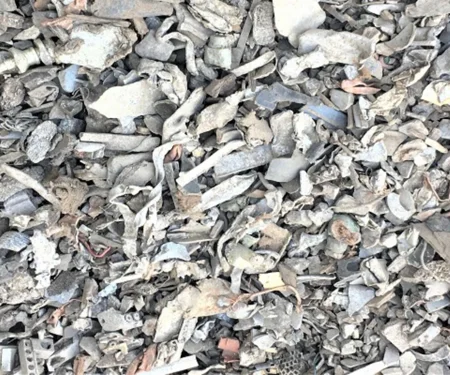
Europe’s drive to build a circular aluminium economy is at risk of backfiring, as large volumes of scrap collected across the bloc are being bought up by overseas players, processed into new metal, and sold back into the EU market, according to the world’s largest aluminium recycler, Novelis.
Emilio Braghi, executive vice-president at Novelis, warned that the European recycling industry could face what he described as a “terminal decline” unless Brussels follows through on its pledge to restrict scrap exports to destinations such as China and the United States. Speaking to the Financial Times, Braghi said the loss of scrap would undermine both Europe’s industrial base and its climate ambitions.
Explore- Most accurate data to drive business decisions with 50+ reports across the value chain
Europe has already lost much of its primary aluminium production, he believes. If Europe does not have access to their own scrap, meeting Europe’s own environmental targets will become impossible.
European producers have increasingly turned to remelting scrap rather than producing primary aluminium, as electricity prices across the bloc are up to four times higher than those faced by international competitors. Recycling aluminium consumes far less energy, making it central to the EU’s plan to reach net-zero emissions by 2050 while retaining strategic raw materials within the region.
Braghi noted that Europe stands apart globally in terms of consumer behaviour, with buyers willing to pay a premium for products containing high levels of recycled content. That demand spans everything from beverage cans to electric vehicles, a trend he said is far less visible in other major markets.
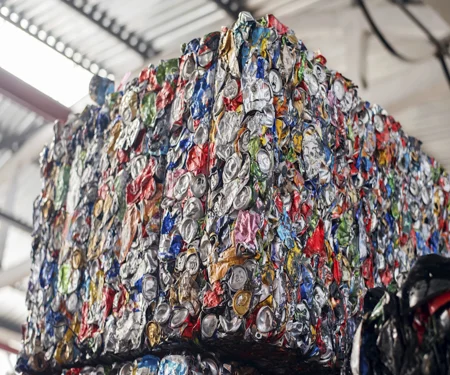
Collection rates reflect that difference. Around 70 per cent of aluminium beverage cans are recovered in Europe, compared with roughly 40 per cent in the United States. However, strong international demand means traders are increasingly exporting that scrap to markets offering higher prices.
In the US, President Donald Trump has imposed tariffs of up to 50 per cent on aluminium imports, encouraging manufacturers to bring in scrap instead, which faces lower levies, and convert it into new metal domestically. At the same time, Beijing has actively promoted the expansion of recycling capacity as part of efforts to cut emissions and reduce reliance on primary raw materials.
China’s policies have had knock-on effects for Europe, Braghi said, arguing that subsidised overcapacity allows Chinese buyers to outbid European recyclers for scrap. “They can afford to pay much higher prices, which creates unfair competition,” he added.
Novelis, which is headquartered in India, has made substantial investments in European recycling infrastructure. Braghi stressed that Europe already has highly efficient collection systems and advanced technology, but warned that those strengths are being eroded by the outflow of material. “We now need to ensure that as much scrap as possible remains in Europe, rather than being allowed to leave the region,” he said.
Industry body European Aluminium said the shortage is already being felt. It estimates that around 15 per cent of recycling furnace capacity across the EU is currently offline due to insufficient scrap supply, creating an annual shortfall of approximately 2 million tonnes.
The aluminium sector generates about Euro 40 billion (USD 46.9 billion) in annual turnover in Europe, directly employs around 250,000 people and supports a further one million jobs across the wider economy.
In November, EU trade commissioner Maroš Šefčovič pledged to curb scrap exports to ensure that aluminium-using industries can access “adequate quantities of this strategically important material at competitive prices”. Policy options under consideration, according to people familiar with the discussions, include the introduction of export levies or mandatory recycled-content targets. Proposals are expected to be unveiled in the coming months.
Braghi cautioned that failure to act would have consequences beyond aluminium recycling alone, potentially affecting the wider metals sector and jeopardising the bloc’s climate objectives. According to him, there are very few industries in Europe that combine such a mature ecosystem with world-leading technology and know-how. “Losing that would be a serious setback.
Must read: Key industry individuals share their thoughts on the trending topics

EGA accelerates six-fold expansion of Leichtmetall in Germany to boost aluminium recycling
Next articleParagon Union & Asahi Seiren join forces to target the $160B recycled aluminium market
Grow with
AL Circle