Strait of Hormuz: Open waterway or controlled passage? Oil and aluminium markets await clarity

The image used in this article is generated with an AI tool and does not depict any real-time moment
Has the Strait of Hormuz really reopened? The answer depends on whom you ask. Following the preliminary agreement between Washington and Tehran on June 17, markets initially welcomed the prospect of the Strait of Hormuz returning to normal operations and global energy supplies flowing without disruption. The easing of immediate geopolitical tensions prompted traders to unwind much of the risk premium that had accumulated during the conflict, triggering a sharp correction across oil and aluminium markets.
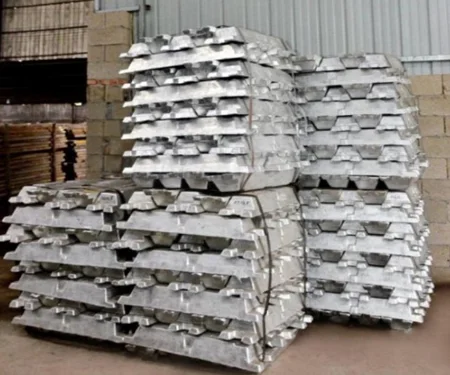
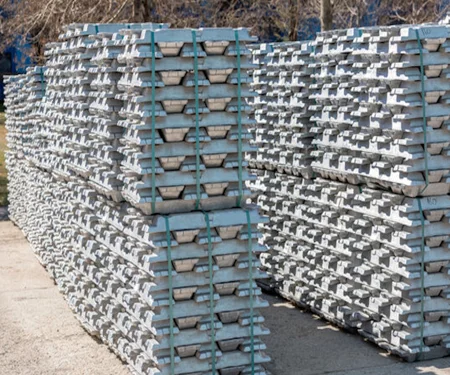
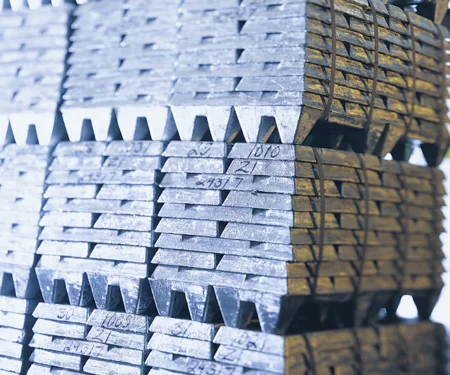
Global benchmark Brent crude fell to around USD 77.76 per barrel on June 17, 2026, its lowest level in more than three-and-a-half months. Aluminium markets followed a similar trajectory, with prices retreating by approximately 10-12 per cent from the four-year highs above USD 3,850 per tonne reached earlier in the month.
That optimism, however, proved short-lived. Iran subsequently pointed to continued Israeli military operations in Lebanon and what it described as breaches of the ceasefire arrangement by the United States, raising fresh questions over the status of the world's most strategically important maritime corridor.
Unlock full access – sign up for FREE.
Key benefits
Strait of Hormuz limbo: Aluminium trade faces shipping and fuel supply concerns
Next articleChina and the UAE forge a clean energy partnership to accelerate solar and battery projects in Asia, Africa and Latin America
Grow with
AL Circle