您想继续阅读英文文章还
是切换到中文?
是切换到中文?

THINK ALUMINIUM THINK AL CIRCLE

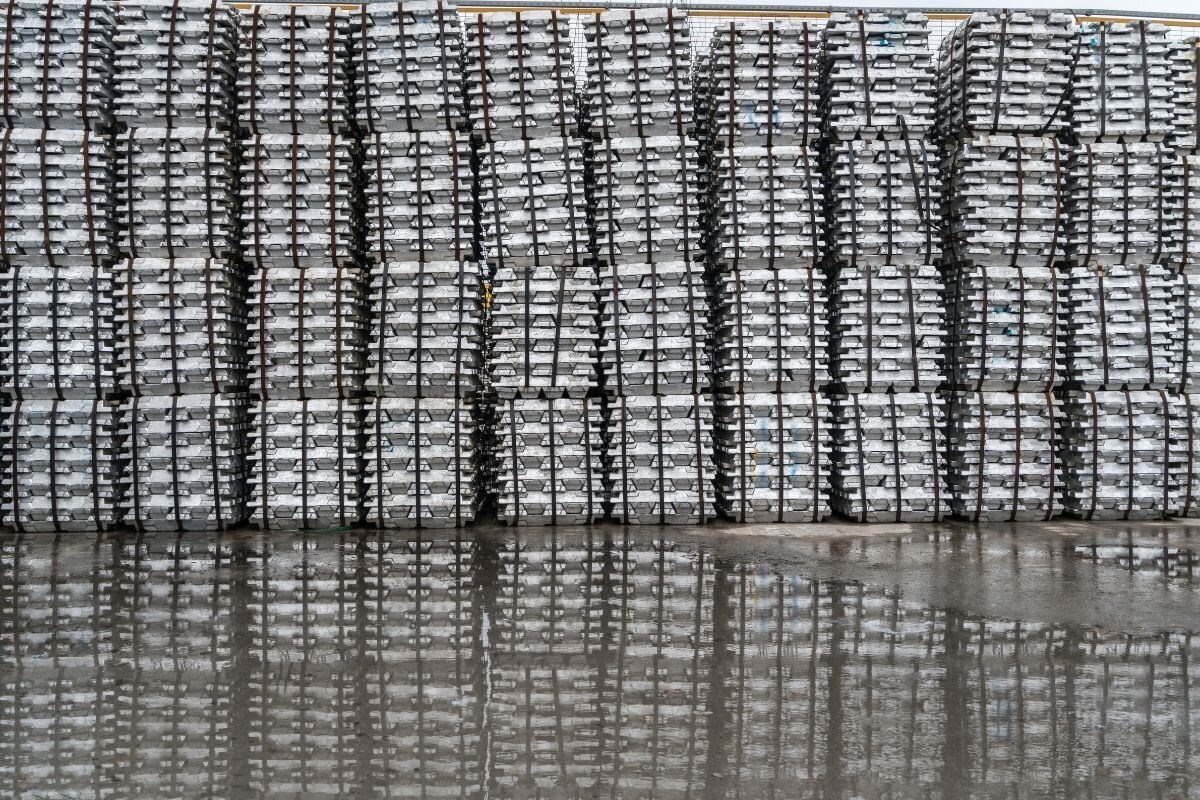
Stock image for referential purposes only
Futures: SHFE aluminium closed at RMB 23,280 per tonne, slightly down 0.02 per cent, with prices above MA5 (23,197) and MA10 (23,192.5), and the closing price of 23,280 exactly matching MA30 (23,276.67).
{alcircleadd}Short-term moving average support is effective, while the mid-term moving average pressure faces a test. MACD indicator: DIF = -119.91, DEA = -200.06, maintaining a golden cross, with the histogram widening to 160.3 (previous 151.86), indicating continuously strengthening bullish momentum. Trading volume slightly expanded to 60,400 lots but remained low.
The recommended core trading range for SHFE aluminium is 23,000-23,500. LME aluminium closed at USD 3,184 per tonne, down 0.19 per cent, with prices above MA5 (3,172.9) and MA10 (3,168.55) but below MA30 (3,201.05) and MA60 (3,400.82), providing short-term support but clear medium-term resistance. MACD indicator: DIF = -43.29, DEA = -63.01, maintaining a golden cross, with the histogram widening to 39.44 (previous 38.99), indicating continuously strengthening bullish momentum.
The recommended core trading range for LME aluminium is 3,150-3,220.
Macro front: The US Trade Representative issued a notice, invoking Section 301 of the Trade Act of 1974, to impose additional tariffs of 10 per cent to 12.5 per cent on dozens of countries and regions under the pretext of “forced labour,” replacing the soon-to-expire global import tariffs. The new tariffs will take effect at 12:01 a.m.
Eastern Time on July 24. It is understood that crude oil, natural gas, fertilisers, and food were exempted from this tariff hike. The U.S. Trade Representative’s office stated that this measure will affect 60 economies.
Fundamentals: In markets outside China, aluminium production resumptions and new capacity continued to ramp up as planned. Market expectations of a shift from tightness to surplus in the global aluminium market over the long term persisted, continuously capping the upside room for aluminium prices.
However, persistent Middle East shipping risks continued to cause disruptions, with market concerns about regional aluminium raw material inflows and finished product outflows being hampered. Coupled with higher crude oil pushing up overseas smelting energy costs, this provided some floor support for aluminium prices in the short term.
Currently, LME visible inventory remains low, but the improvement in spot premiums is limited, leaving bulls with insufficient momentum for further advances. Inventory side, China’s domestic aluminium social inventory continued its destocking trend this week. As of Thursday, domestic aluminium ingot social inventory destocked by 16,000 tonnes from Monday to 1.006 million tonnes, and was down 18,000 tonnes W-o-W.
Primary aluminium market: In early trading, the SHFE aluminium 2606 contract centre ran higher than the same period of the previous trading day. Affected by the off-season, market purchasing sentiment remained weak. Coupled with still ample market availability, market price acceptance failed to pick up.
Mainstream transaction prices were at a discount of RMB 10-20 per tonne against the SHFE aluminium August contract. Today's east China selling sentiment index stood at 3.13, up 0.03 day-on-day; the purchasing sentiment index stood at 2.90, flat day-on-day.
Today's central China trading atmosphere remained sluggish. Safety checks slightly restricted the production pace of downstream processing enterprises, and factories showed low enthusiasm to purchase, dragging down overall purchasing sentiment in the market. But aluminium prices consolidating and recovering lifted some suppliers' selling sentiment.
Suppliers showed weak willingness to hold prices firm, and only large players maintained high premiums. Ultimately, actual transaction prices in the central China market ranged around a discount of RMB 120-140 per tonne against the SHFE aluminium August contract. Today's central China selling sentiment index stood at 3.09, up 0.02 day-on-day; the purchasing sentiment index was 2.87, down 0.03 day-on-day.
Secondary aluminium raw materials: Today, SMM A00 spot aluminium price closed at RMB 23,170 per tonne, up RMB 90 per tonne from the previous trading day, while the aluminium scrap market remained broadly stable. On the price difference front, on July 23, the price difference between A00 aluminium and mixed aluminium extrusion scrap free of paint in Foshan was about RMB 2,100 per tonne, and the price difference between A00 aluminium and shredded aluminium tense scrap was about RMB 780 per tonne, continuing to hover at historically extremely low levels.
In terms of imports, customs data showed that China's aluminium scrap imports totalled about 132,800 tonnes in June 2026, down for the third straight month from 152,000 tonnes in May. In terms of cumulative data for 2026, aluminium scrap imports totalled about 981,800 tonnes from January to June.
Recently, orders for imports from Southeast Asia in Guangdong increased. Although the import window improved from earlier, new transactions were mostly concentrated in low-priced resources, and overall spot market activity remained limited. Affected by the UAE's aluminium scrap export ban and the EU's tariff hikes, the shrinkage effect on high-quality imported aluminium scrap supply will become more evident in the future.
Next week, the aluminium scrap market is expected to continue its tight consolidation pattern with demand suppression and cost support. Against the backdrop of deepening off-season, downstream end-use orders are unlikely to see substantial improvement, scrap utilisation enterprises continue their strategy of purchasing as needed, and the purchasing atmosphere is unlikely to improve significantly.
The mainstream trading range of shredded aluminium tense scrap (priced based on aluminium content) is expected near RMB 19,800-20,500 per tonne. Currently, the price difference between primary aluminium and aluminium scrap has narrowed to historical lows, greatly weakening the economic advantage of aluminium scrap over primary aluminium. If primary aluminium prices continue to fall, the substitution effect of primary aluminium for scrap will accelerate, and it is necessary to closely monitor the crowding-out effect of aluminium price trends on aluminium scrap demand.
Secondary aluminium alloy: Spot side: Today, ADC12 market quotes remained mainly stable. From market performance, the rise in primary aluminium prices provided some support to secondary aluminium alloy costs, but end-use demand was weak and downstream purchasing maintained a need-based pace.
Against the backdrop of a tug-of-war between cost support and weak demand, most enterprises still focus on selling at stable prices and observing the market, with insufficient motivation to actively adjust prices. The ADC12 market is expected to continue to move sideways in the short term, and close attention should be paid to changes in aluminium scrap costs, primary aluminium price trends, and the improvement of end-user orders.
Overall outlook: Recently, sentiment on the macro front has improved slightly. The persistent geopolitical risk premium in the Middle East, combined with China's aluminium ingot continuing destocking, has jointly underpinned aluminium prices.
However, the continuous commissioning of ex-China aluminium capacity over the long term, weak end-use demand in China, and repeated uncertainties at the macro perspective have exerted significant pressure on the upside room of aluminium prices. In the short term, aluminium prices are expected to maintain a consolidation pattern.
Note: This article has been issued by SMM and has been published by AL Circle with its original information without any modifications or edits to the core subject/data.
Responses