MYSTEEL: Global aluminium prices seen buttressed by Middle East supply shortages
Over the past weekend, primary aluminium smelting and rolling facilities in the region suffered further damage, with those operated by Emirates Global Aluminium (EGA) in the United Arab Emirates (UAE) and Aluminium Bahrain (Alba) in Bahrain reportedly hit by Iranian military attacks.
For the global aluminium value-chain 2026 outlook, book our exclusive report “Global ALuminium Industry Outlook 2026"
On March 28, EGA – which hosts a primary aluminium capacity of 1.6 million tonnes per year – announced that its Al Taweelah site in Abu Dhabi had been hit by Iranian missile and drone strikes. A day later, Alba, with an annual capacity of 1.62 million tonnes per year, reported that its facilities had also been struck. The company had cut production by 19 per cent prior to the incident. Though injuries to employees had been few, both companies, as of Monday, were still evaluating damage, Mysteel noted.
The risk of further disruptions to aluminium production in the region is likely to intensify, tightening both regional and global supplies, the report said. Aluminium facilities in Middle Eastern countries hosting U.S. military bases, including the UAE, Bahrain, Qatar, Saudi Arabia, and Oman, may face exposure to potential attacks. In addition, Iran's own aluminium production capacity could also face shutdowns if tensions escalate further, the report added.
More importantly, the recovery time for such disruptions is expected to be prolonged. Unlike output cuts driven by raw material shortages, physical damage to production facilities requires much more time to repair, Mysteel pointed out. Therefore, the anticipated supply shortage is not only a short-term, sentiment-driven disturbance but could translate into a sustained tightening of global aluminium availability.
From a supply perspective, disruptions in the Middle East exhibit systemic risk characteristics. Multiple facilities being affected simultaneously increases the likelihood of long-term and widespread supply constraints. Meanwhile, instability in raw material supply further raises the risk of reduced regional smelting activity, while the pace of new capacity additions in the global market is unlikely to offset the shortfall in the near term.
On the demand side, although overall growth in aluminium consumption may moderate amid global macroeconomic headwinds, structural demand remains resilient. Expanding sectors such as new energy vehicles and power grid infrastructure continue to provide firm support, preventing a sharp contraction in demand.
Global aluminium prices are expected to remain elevated, Mysteel suggests. Supply-side uncertainties and constraints will continue to support higher premiums, while solid fundamental demand is expected to limit downside risks.
Don't miss out- Buyers are looking for your products on our B2B platform
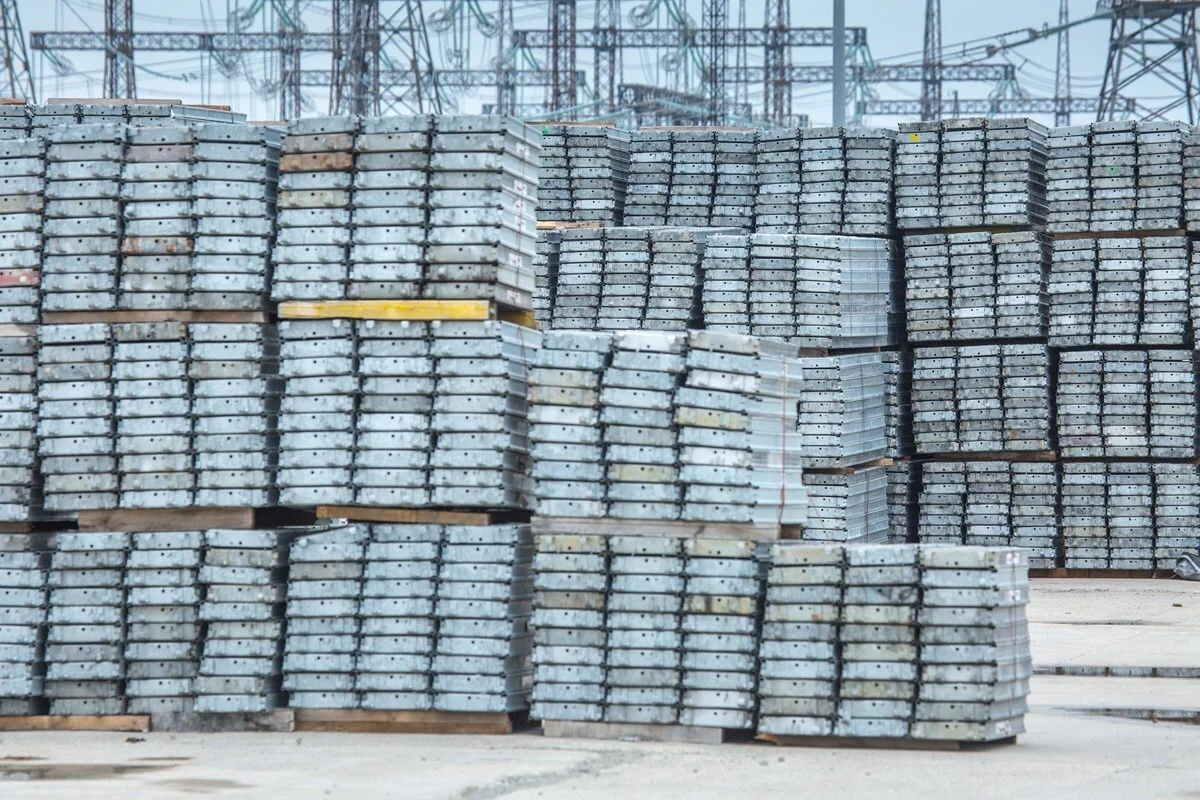
Note: Image for referential purposes only
Note: This news is published under a content and exchange agreement with Mysteel

Goldman Sachs lifts aluminium outlook as EGA-Alba damages trigger market shock
Next articleVedanta delays demerger deadline to June 2026 amid pending regulatory approvals
Grow with
AL Circle