您想继续阅读英文文章还
是切换到中文?
是切换到中文?

THINK ALUMINIUM THINK AL CIRCLE

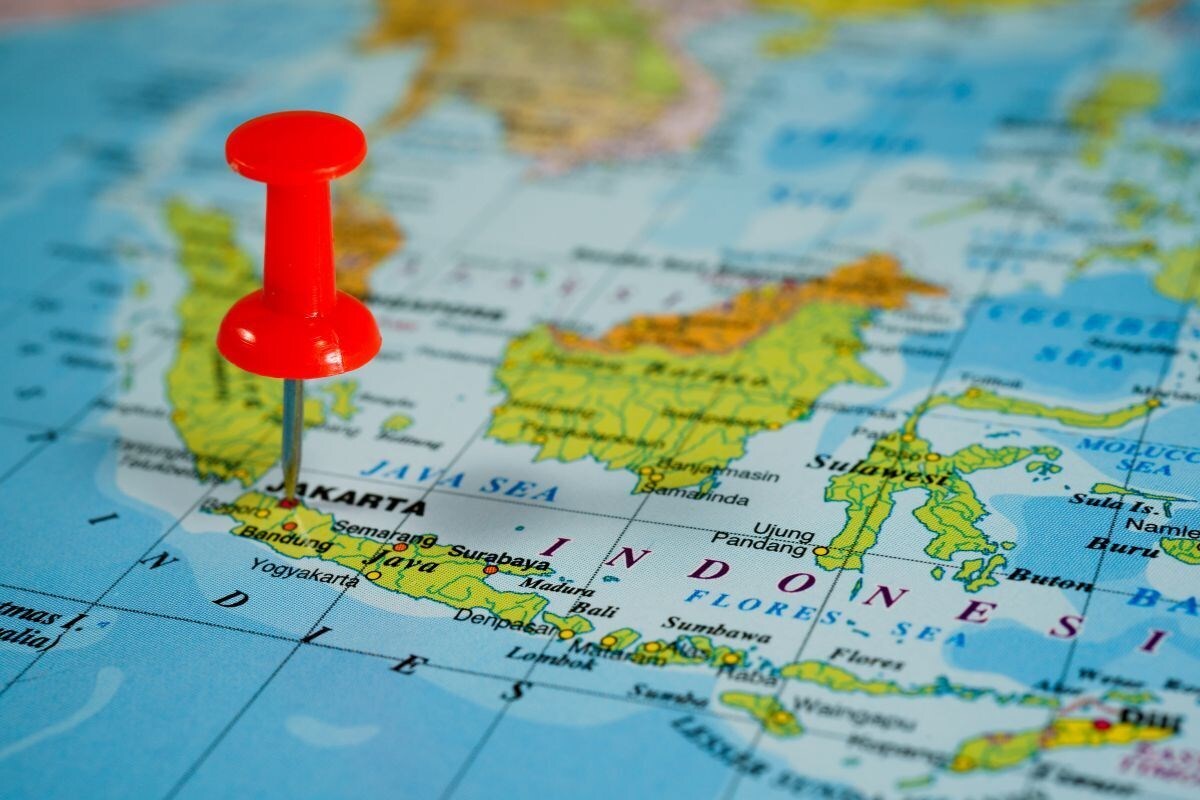
Stock image for referential purposes only
Under the new two-stage plan outlined by President Prabowo Subianto on May 20, private Indonesian miners will gradually shift their trading relationships to state firms during a transition period running from June 1 to August 31. 2026, as reported. From September 1, exports of coal, palm oil and ferroalloys will be handled exclusively by a newly created agency, PT Danantara Sumber Daya, a unit of the sovereign wealth fund Danantara Indonesia.
{alcircleadd}The agency will directly buy from local producers and sell to overseas buyers at benchmark exchange prices, according to a Reuters report. Jakarta says the policy is designed to stop chronic under-invoicing, stabilise the rupiah and boost state revenue. For Chinese utilities firms which rely on Indonesia for more than half of their imported thermal coal - around 53 per cent in April, according to the latest Customs data the immediate risk is a potential spike in procurement costs.
Indonesian coal has long been the cheapest option for China's coastal power generators, but inserting a state intermediary could add administrative margins, reduce supply flexibility and create delays, warn market watchers. At the same time, a separate rule effective June 1 requires all Indonesian exporters of natural resources to park 100 per cent of their foreign-exchange earnings in domestic banks, potentially tightening dollar liquidity and pushing up freight and trading costs.
Participate in our upcoming e-Magazine – “Mine to Market: ALuminium Producers & Manufacturers 2026”
Chinese power plants are likely to respond by stepping up purchases from alternate suppliers or just increasing domestic procurement. Higher-calorific-value cargoes from Australia and Russia could gain greater traction, while China may also turn to lower-grade coal from Mongolia via truck transport or from the Philippines by sea.
The Philippines has already risen to become China's fifth-largest coal supplier. South African coal could also emerge as an alternative, although its competitiveness may be constrained by longer shipping distances.
The shift may accelerate China's long-term strategy of diversifying away from any single dominant supplier for crucial commodities. Short-term market dynamics point to a "policy premium" on Indonesian low-to mid-calorific coal, which could erode the cost advantage that Chinese generators have enjoyed when buying Indonesian steaming coal to date.
However, the final impact depends on whether Danantara Sumber Daya acts as a monitoring platform or an aggressive commercial trader. If the former, the impact could be controllable as traders can still make deals at their will. If the latter, Chinese buyers could face sustained higher prices and be forced to reconfigure their supply chains.
For now, the three-month transition offers a window for both sides to adjust.
Note: This news is published under a content and exchange agreement with Mysteel

Responses