AI in canmaking: A tool to increase production performance
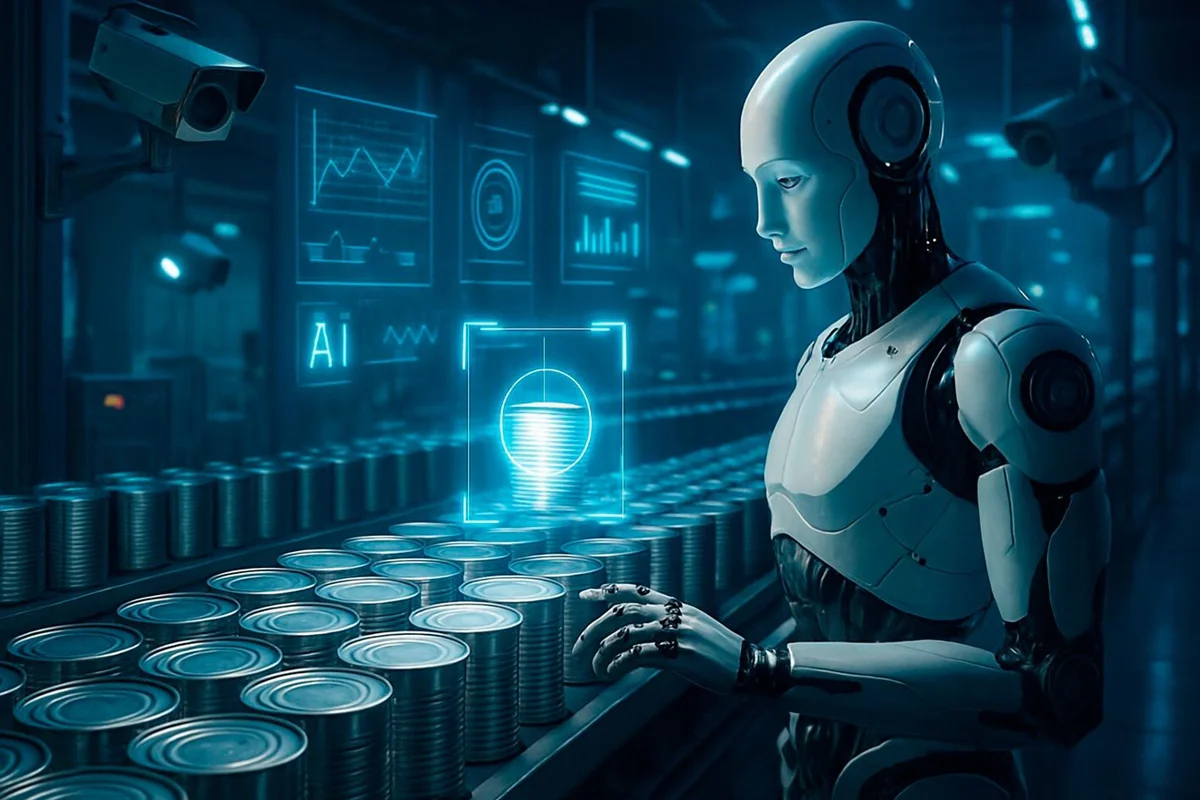
Artificial Intelligence has reached a maturity level that allows it to generate real analysis and measurable gains in industrial operations. Yet, within the canmaking industry, its adoption remains slow, often due to a combination of cultural resistance, limited digital infrastructure, and the misconception that AI is a futuristic tool rather than an operational necessity. For an industry that operates at extremely high speeds and tight tolerances, AI is no longer optional, it is the next competitive edge.
In this article for The Metal Packager, Luiz Siqueira, an independent consultant in industrial management, who previously worked as industrial director/COO at Brasilata, explores how AI can effectively collaborate with the management of can production processes, transforming decision-making, reducing losses, improving overall equipment effectiveness (OEE), and making operations more stable and predictable.
Why AI is a natural fit for canmaking operations
Every canmaking line generates more data than almost any other type of manufacturing process. Assembly lines machines like welders, flangers, seamers, printing lines and the presses, all produce information every second, a tremendously amount of information generated as data. Hidden inside these data are answers to recurring management challenges.
All this information is lost when there isn't a properly implemented data collection system. Many questions, such as why line speed is decreasing, what is causing the increase in scrap rate, why OEE varies by shift or operator, how to prevent unscheduled downtime before it happens, could be easily answered in real time with a suitable AI system. However, management wastes an enormous amount of time waiting for their teams to analyse and conclude what happened last month or last week. This idle time is no longer acceptable for implementing the necessary solutions. Management needs to anticipate events, not just react, it must work on prevention, forecasting and risk analysis.
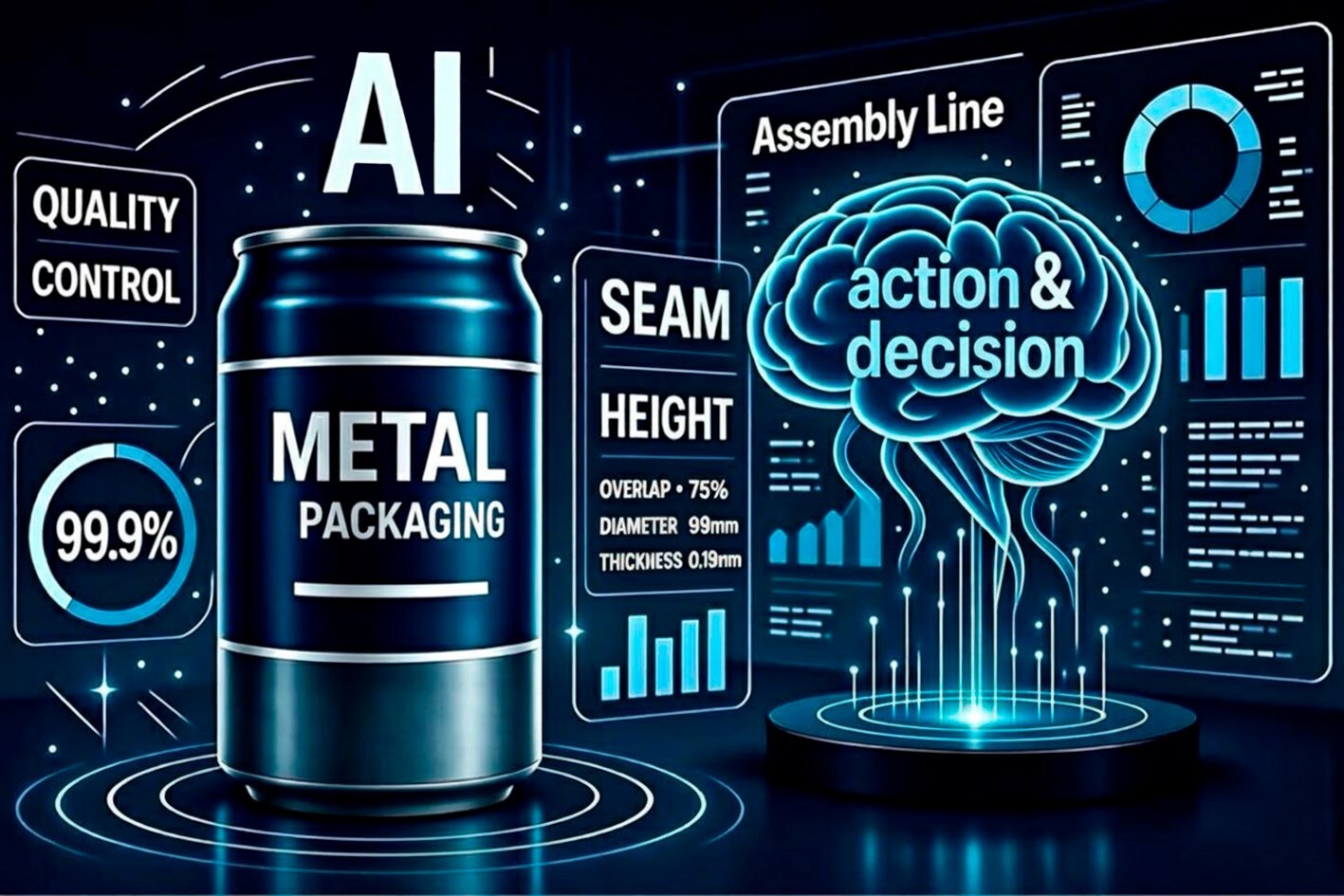
AI should not be positioned as an advanced analytics tool or a support function. In mature implementations, it becomes a real time operational management system and continuously monitors performance, evaluates deviations, prioritises risks, and recommends actions aligned with business objectives, turning operation gains in OEE, scrap and downtime into a higher service level, stronger industry competitiveness and finally bigger margins.
Rather than replacing Lean or Six Sigma, AI modernises them. It preserves the discipline and structure of proven methodologies while eliminating their historical limitation: dependency on episodic projects and manual analysis. This evolution is particularly relevant in canmaking, where conditions change rapidly and decisions must be taken within minutes, not weeks.
Modernising DMAIC through AI
Within the DMAIC framework, AI transforms a traditionally project-based improvement model into a continuous learning and decision-making cycle. Defining the problem to be solved with the correct and fresh information at hand, allows management teams rapidly develop plans that can reduce the risks of production losses, unscheduled downtime, and machine failures, saving a significant amount of money simply by avoiding unnecessary expenses and not just focusing on reducing costs related to these problems.
Real time Measuring is where AI can most significantly support production leadership, providing immediate visibility into the performance of each manufacturing line. By integrating sensor data, historical patterns, and predictive analytics, AI transforms raw information into actionable insights by detecting deviations, estimating efficiency losses, and alerting teams before issues escalate. This continuous intelligence enables leaders to make faster, evidence-based decisions, online adjustments, and process optimisation. Rather than replacing human judgment, AI amplifies it, creating a more responsive, accurate, and strategic production environment.
When it comes to the Analyse phase, the interaction between humans and AI highlights the power of having the right information available at short notice. Analysis is traditionally the stage where we spend most of our time searching for the proper solution, relying heavily on tools like Minitab or Excel to build the statistical models that guide our decisions. While these tools have been the foundation of operational and financial areas for decades, they no longer match the speed and complexity demanded by modern production environments. They remain “stand still” systems dependent on manual data input, interpretation, and interaction. AI, on the other hand, can process large datasets instantly, interpret results, uncover patterns, and deliver feasible insights within seconds when provided with accurate prompts and reliable data. This not only accelerates the Analyze phase but also elevates the quality and precision of decision making, enabling teams to focus on solutions rather than data manipulation.
After the previous steps, it is time to move into the Improve phase, the moment when human intelligence becomes essential and execution can no longer be delegated to technology. AI provides the analytical clarity, but it is the technical teams, trained to understand the machines and the nuances of the process, who translate those insights into concrete adjustments. With a data driven roadmap and a higher level of confidence in the chosen solution, operators and machine setters can fine tune parameters with greater precision and far less trial and error. By working with real time data and AI generated analysis, production teams, including management, can align quickly on the confirmed solution, not on debating the problem. This shift strengthens collaboration, reduces variability, and creates a more disciplined environment where continuous improvement becomes the soul of the production management culture.
Finally, the Control phase. The combination of AI and human discipline ensures that the improvements achieved not only remain stable but continue to evolve. Once the optimised parameters are in place, AI becomes a powerful guardian of the process, monitoring real time data, identifying early deviations, and alerting the team before performance begins to drift. However again, technology alone is not enough, it is the human commitment to standardisation, routine verification, and adherence to the defined procedures that truly locks the gains in place. Operators, supervisors, and engineers work together to update job instructions, refine control plans, and validate that the new settings are consistently followed on every shift.
DMAIC then ceases to be a closed project and becomes a permanent management loop. AI enables continuous governance of performance. Deviations are detected early, alerts are prioritised, and corrective actions are triggered before losses escalate.
Digital transformation as a strategic business agenda
The pitfall in digital transformation is the belief that AI alone will solve operational challenges. In reality, AI does not replace human judgment, experience, and leadership. People are the true drivers of problem solving, while digital technologies serve as powerful enablers when properly aligned with business goals and operational KPIs.
Digital transformation must be treated as a strategic business agenda, not an IT initiative. It requires direct involvement from the board and clear ownership by the CEO. Success depends on embedding digital initiatives into the company’s strategic plan, supported by a well defined roadmap that delivers short-term operational impact while building a scalable vision for the next five years. With the digital strategic plan in hands, the management has a path to follow.
Successful digital transformation begins with a solid industrial infrastructure a basic step where many companies fail by focusing too heavily on software without addressing the basics. First things first, ensuring reliable hardware, connectivity, and system integration is essential before advancing to more complex digital solutions.
Although Industry 4.0 has pushed automation to its technological limits through IoT, digital twins and remote access, automation alone is not enough, the critical gap remains the transformation of data into action. Without clear visibility of performance, downtime, changeovers, production volume, losses and quality, even highly automated lines fail to support strategic decision. With a proper system it is possible to transform this information layer into a true control panel for effective industrial operation.
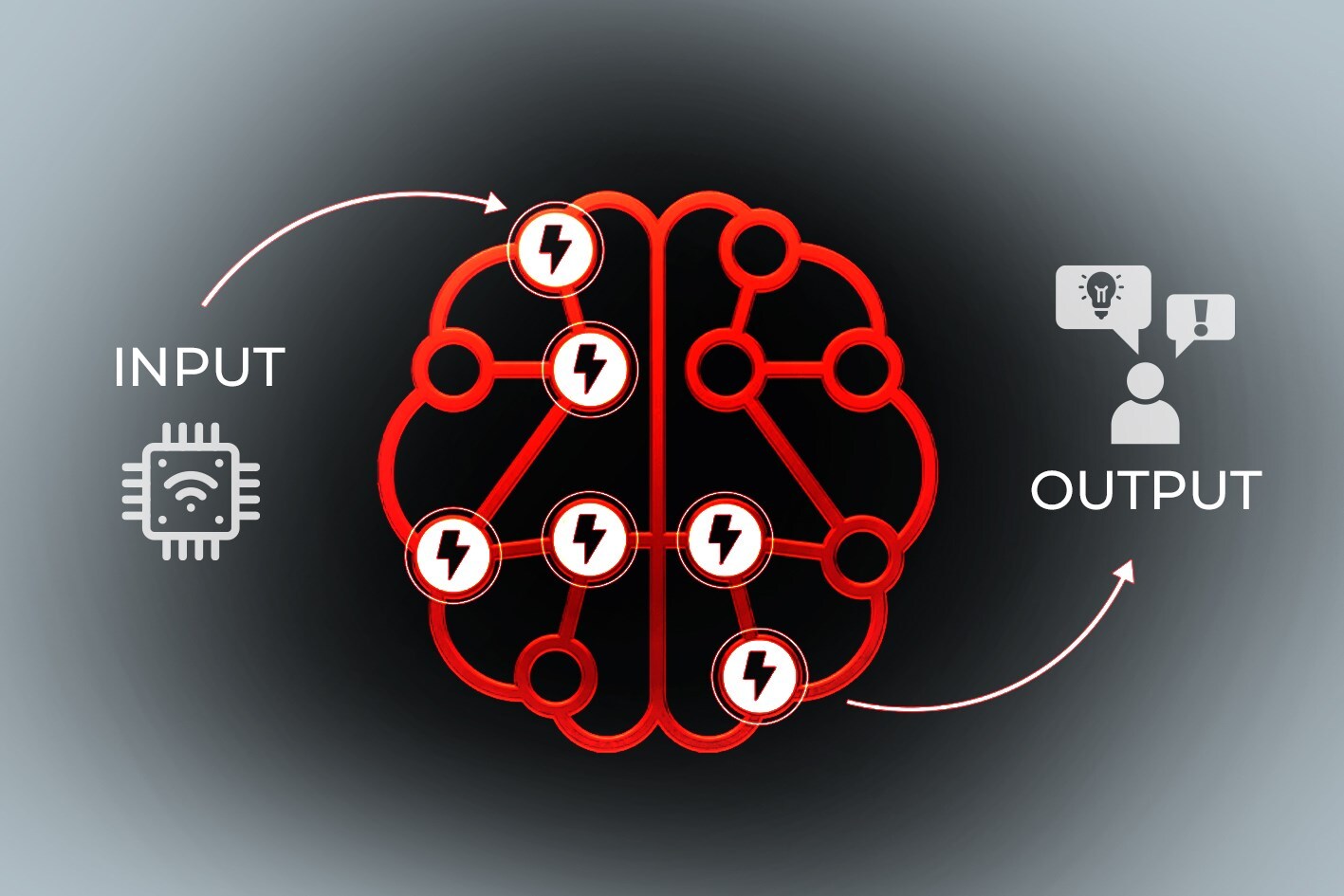
Once a production line is supported by a well prepared automation system, it’s time for the next step, the Manufacturing Execution Systems (MES) implementation, which plays a critical role in this architecture. The competitive advantage comes from AI over data and MES is the essential bridge between automation and intelligence, transforming PLC and sensor signals into structured operational data such as OEE, downtime classification, and production genealogy.
This significant milestone requires strong alignment between the IT department and the production automation team, as success depends on seamless integration between machine PLCs and the MES platform. Given the diversity of PLC suppliers, architectures, and programming languages, it is at this interface IT specialists and automation engineers must work closely together to ensure reliable data flow and system performance.
It is recommended to establish a model by selecting a single production line to develop and validate the complete solution. Once the pilot is stable and delivering results, the approach can be systematically replicated across other lines. Attempting to implement digital transformation across the entire plant simultaneously is a Herculean challenge, significantly increasing complexity, execution risk, and the likelihood of initiative overload, often turning a promising project into frustration rather than sustainable progress.
Data governance and scalability
The Digital Architecture as the Foundation of Industry 4.0 with the MES in operation, the challenge becomes transforming large volumes of data into fast and effective decisions. To achieve this, the digital architecture must be mature from data collection through analysis, ensuring visibility and transparency across processes. In addition, intelligence data governance with clear parameters, reliable alerts, and well-defined routines ensures that data is consistent and meaningful.
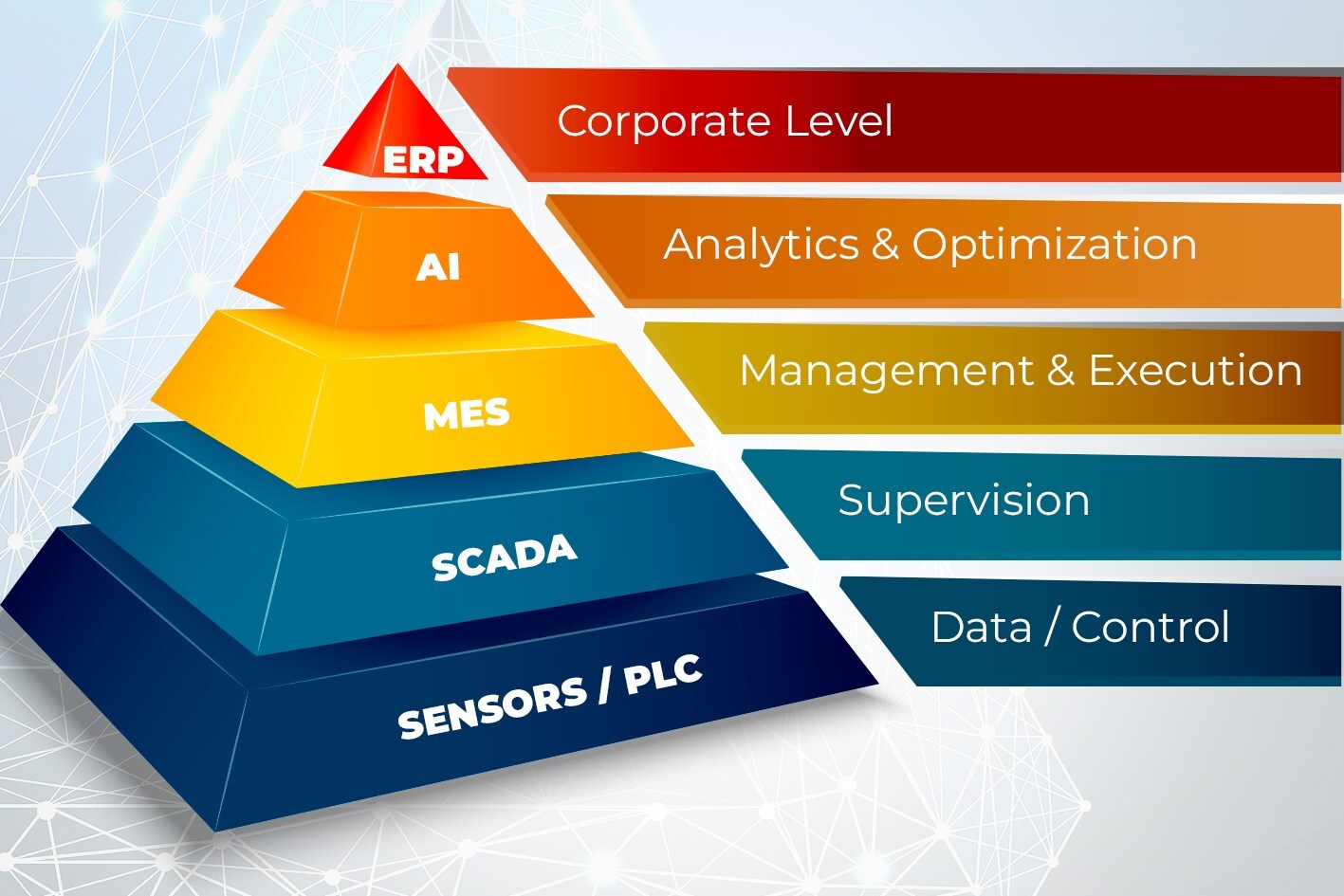
Scalability guarantees that the solution grows alongside operations, maintaining performance and reliability even in larger plants. With this solid foundation, AI acts as a performance multiplier, anticipating failures and optimising adjustments. Leadership’s role shifts from analysing dashboards to making agile and confident real-time decisions. In canmaking environments, where speed is extreme and tolerances are minimal, response time must be immediate.
The emergence of the Digital COO
In this context, the role of the industrial C-level evolves. The Digital COO is not a technology specialist but a decision owner. This role translates operational intelligence into concrete actions: prioritising interventions, allocating resources, validating trade-offs between output and stability, and ensuring adoption of digital routines.
Today’s industrial environment, the Industrial C-Level must increasingly operate as a Digital COO, assuming technology as a core pillar of operational strategy. Traditionally, IT has been focused on back-office systems and administrative support, however, modern manufacturing requires a dedicated industrial IT capability embedded in operations. This function is now as critical as maintenance, safety, and quality, forming the neural structure of the production system. Daily decisions such as adjusting line speed versus scrap risk, prioritising maintenance windows, responding to early failure signals, or validating performance deviations become faster and more consistent when supported by AI driven insight. Without active C-level engagement, even the best systems fail to deliver return.
Conclusion
AI is not just a future promise for the canmaking industry. It is a present requirement for those who aim to protect margins, improve service levels, and sustain competitiveness. Automation provides speed, MES provides visibility, but AI provides judgment at scale.
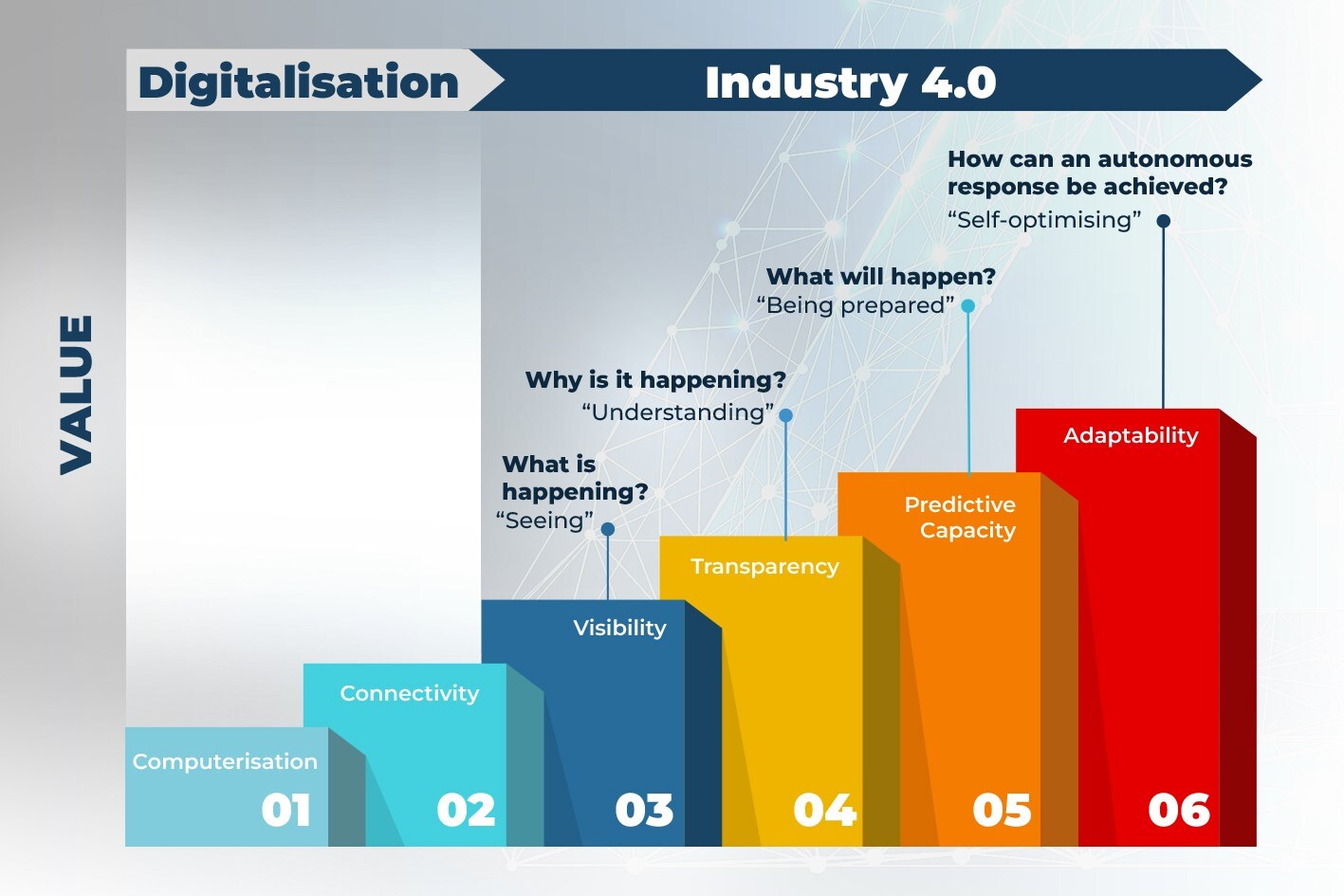
In the canmaking industry, future competitive differentiation will not be driven by incremental gains in equipment performance alone. It will be defined by how effectively companies integrate AI into their operational management systems. Organisations will achieve higher efficiency and process stability as decisions are increasingly supported by the integrated use of MES, quality, maintenance, and production planning, enhanced by AI. Together, these systems will enable leadership to make faster and better-informed decisions.
For boards and executive teams, the message is clear, digital transformation must be owned at the C-level and becoming part of the strategic agenda.
Note: This article has been issued by The Metal Packager and has been published by AL Circle with its original information without any modifications or edits to the core subject/data

Unlock full access – sign up for FREE.
Key benefits
Industrial Physics names Andrew McCauley as the new CEO
Next articleNew solar installation at Crown’s Seville plant advances renewable energy goals
Grow with
AL Circle













_md.webp)
_md.webp)







