WSJ reports UBC stockpiling due to less recycling; falling export impacts an already oversupplied market
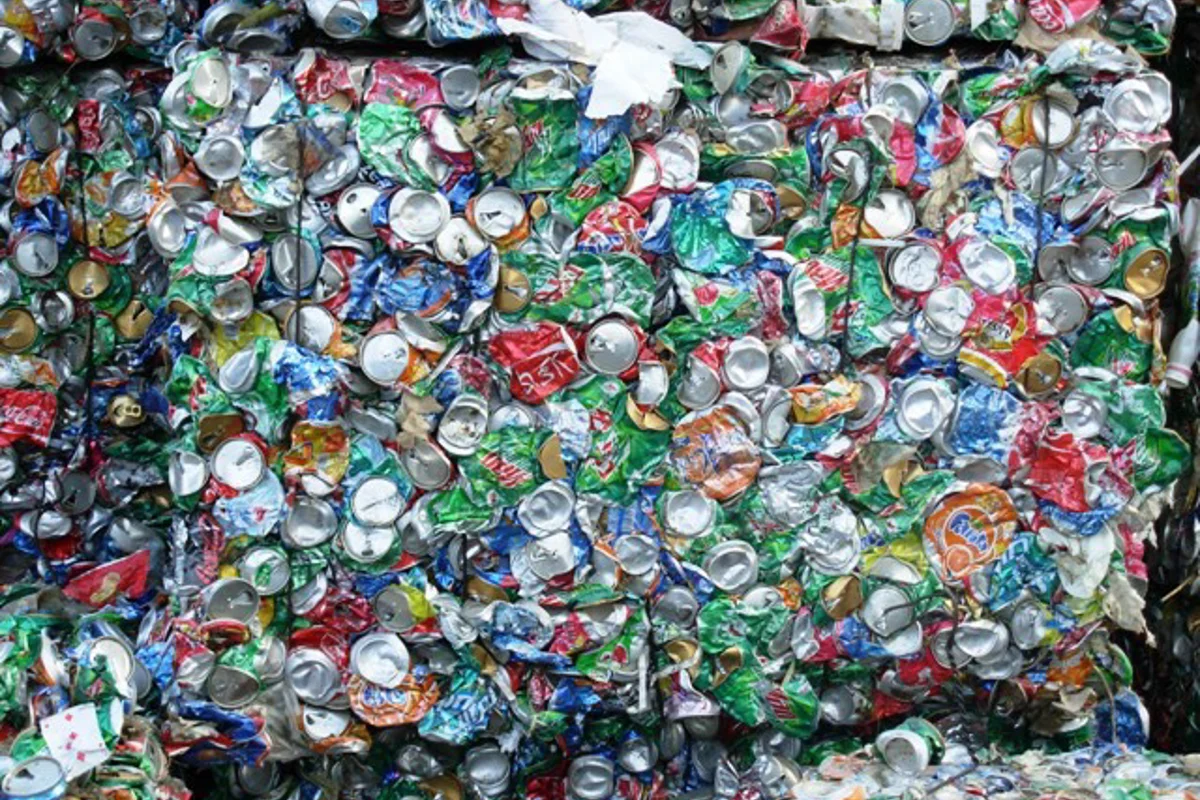
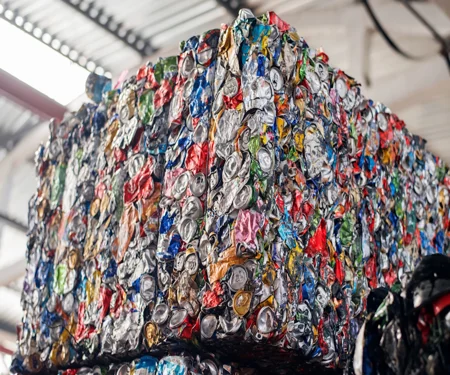
Wall Street Journal reported that used beer and soda cans pile up in the U.S. scrapyards as rolling mills are turning to producing more profitable auto parts rather than recycling and turning the scraps to new can sheets. The news story says used cans are piling up at scrapyards because U.S. aluminium companies are producing higher-margin flat-rolled aluminium for automotive and industrial components. The story indicated a possible challenge facing aluminium recycling. This means the aluminium rollers are producing fewer sheets for beverage cans and more and more cans in the U.S. are being made from imported aluminium.
However, the other side of the story says that it is a fact that the aluminium rollers in the U.S. are changing their product mix in order to earn higher margins. That does indicate that imported rolled aluminium is being used to make aluminium cans. It also could indicate that used cans aren’t being melted down at the old rate leading to a piling up of UBCs.
It is not the case that rollers make new cans out of the can scraps. It is possible to make new can sheets out of aerospace and automotive scraps. Similarly can scraps are recycled into new aluminium for making aircraft and automotive parts.
The top and the bottom of a beverage can are made out of two different alloys. The can body usually is made from AA3004. Alloys from the 3XXX series have about 1 per cent manganese, but AA3004 also has 1 per cent magnesium for further strengthening. The tops need to be stronger to open properly and consistently using the riveted pull tabs. To get the higher strength, it’s necessary to use a different alloy family—5XXX which adds 4.5 per cent Mg and 0.3 per cent Mn to provide a balance between high strength and formability. Unless the top is separated from the sides and bottom of the beverage can, the recycled cans give the wrong alloy to be making new cans out of.

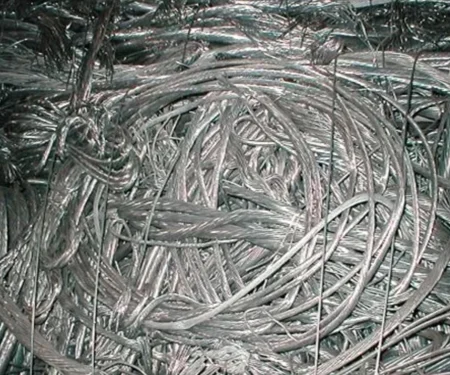
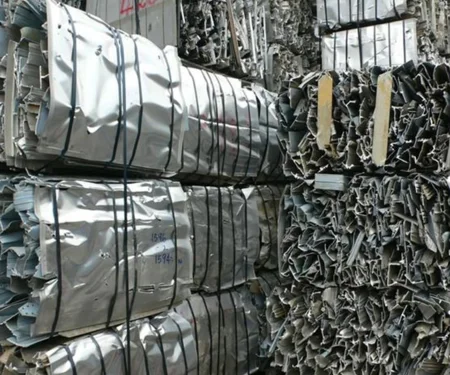
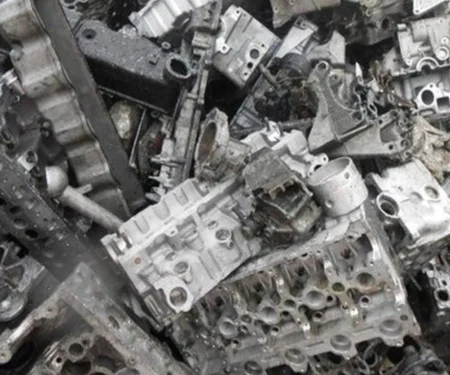
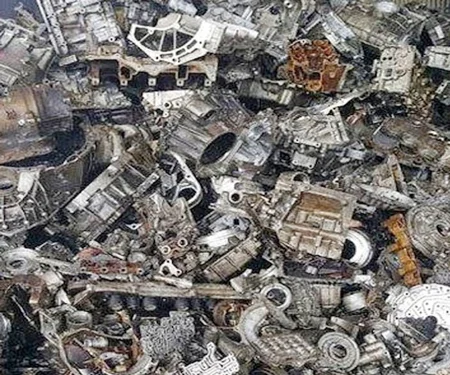
The stockpiling of cans could have another market dynamics behind it. More scraps are piling up as China is refusing to import aluminium scraps from the U.S. after the imposition of 50% tariffs on imported scraps from the U.S. The U.S. scrap industry had been dumped with a burgeoning supply of junked cars even before the tariff war started. After the tariffs were imposed by China, prices for automotive aluminium scrap in the U.S. fell by more than 20% from a peak in early 2018 due to oversupply. Local recyclers are struggling to cope with increasing financial pressures involving plunging prices for scraps, higher trucking costs, increasing difficulties with consumers sorting trash, and concerns about President Donald Trump’s trade wars. Companies that buy and sell scrap aluminium but don’t process it into new metal are hurt by the low scrap prices. The scrap-metal glut could grow further in 2019 as China is going to make its scrap import rules stricter.
Coca-Cola awarding $5.4 million to community recycling pilots in US
Next articleOperating rates across Chinese secondary aluminium producers drop record low in February
Grow with
AL Circle