With Hormuz reopening and possibility of 700,000t of aluminium flowing into the market, here's the price outlook for H2 2026
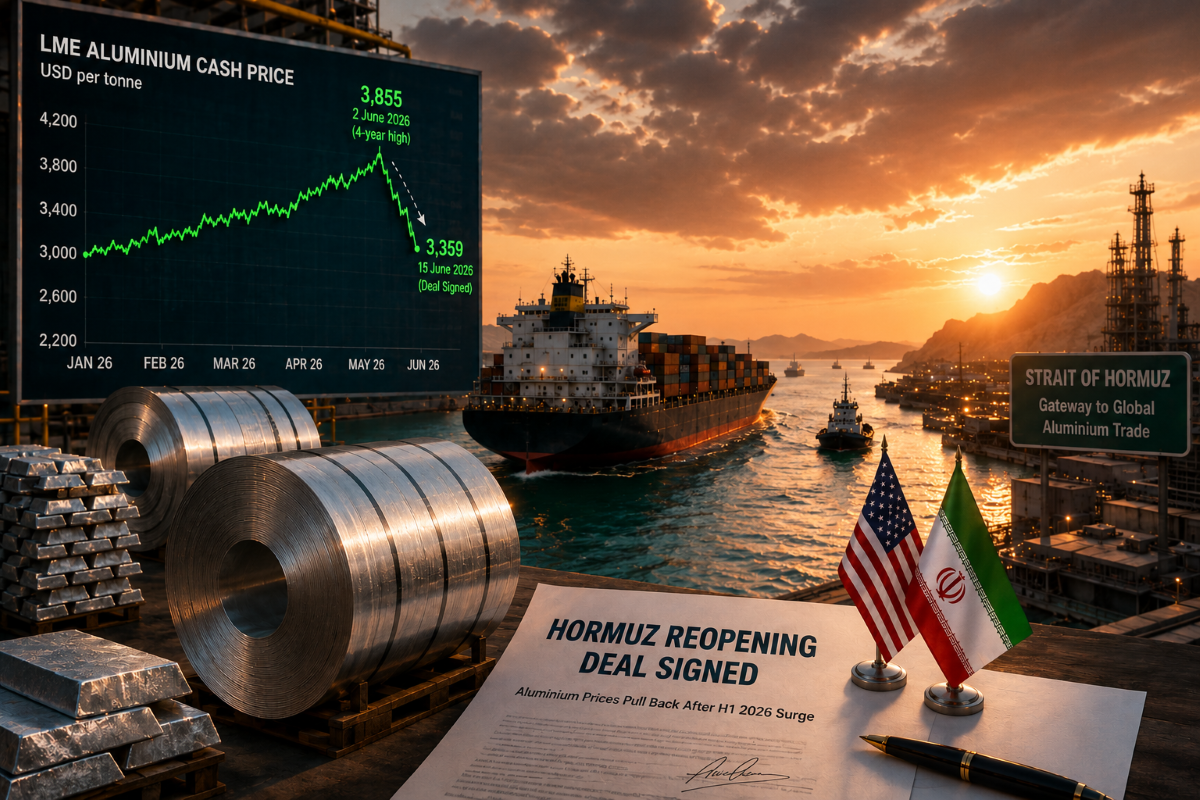
The image used in this article is generated with an AI tool and does not depict any real-time moment
Primary aluminium prices climbed to four-year highs in H1 2026 as the market grappled with tightening inventories and mounting concerns over supply disruptions linked to the conflict in the Middle East. The year began with the LME Aluminium Cash Price below USD 3000 per tonne and, over the next five months, rose by approximately 29.1 per cent to reach USD 3,855 per tonne on June 2. As tensions escalated, the Strait of Hormuz-one of the world's most important shipping routes faced significant restrictions, slowing the movement of cargoes across global supply chains. Delays in shipments and uncertainty over future deliveries heightened concerns among consumers and traders, who increasingly turned their attention to available inventories.
This was reflected in inventory levels. LME Aluminium Stocks started the year at around 509,275 tonnes and gradually moved lower as H1 2026 progressed. After remaining above 400,000 tonnes in the early months of the year, stocks declined through March, April and May before reaching 319,500 tonnes by mid-June.
The lack of significant new stock inflows, coupled with concerns over future supply availability, kept aluminium prices elevated during the period.
Unlock full access – sign up for FREE.
Key benefits
Destocking logic continues to materialise, macro pressure caps aluminium price upside
Next articleChina June aluminium prices to remain capped by risk aversion, despite firm fundamentals
Grow with
AL Circle