您想继续阅读英文文章还
是切换到中文?
是切换到中文?

THINK ALUMINIUM THINK AL CIRCLE

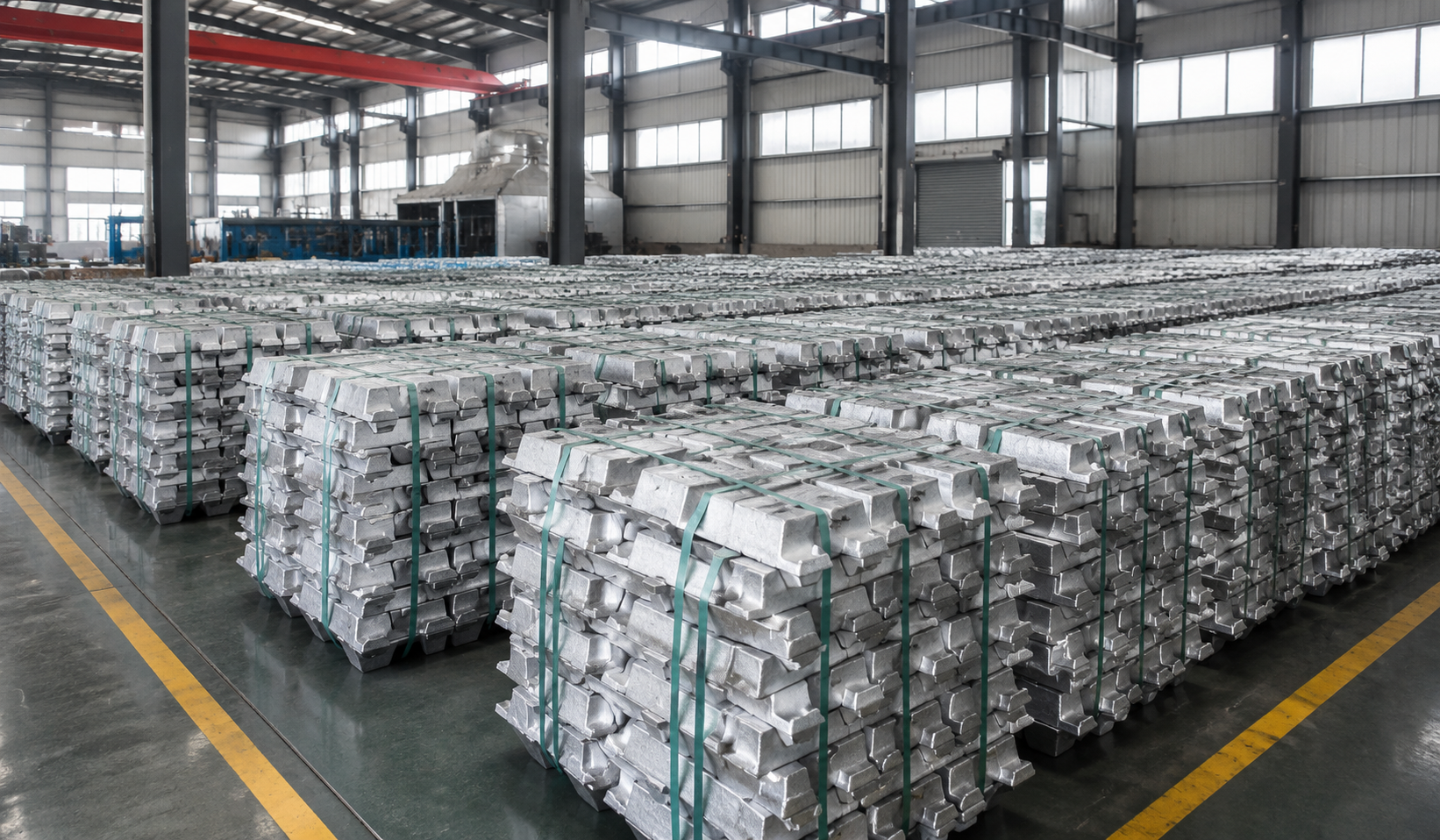
The image used in this article is generated with an AI tool and does not depict any real-time moment
Macro perspective
{alcircleadd}The US Fed announced on Wednesday that it held rates steady at 3.50 per cent-3.75 per cent, marking the fifth consecutive meeting with no change. According to the CME FedWatch Tool, after the Fed’s decision, the probability of rates remaining unchanged in September and October increased, and the marginal constraint on the nonferrous metals sector continued to ease.
The Strait of Hormuz dispute remains unresolved; according to foreign media reports, the temporary truce between the US and Iran shifted again. Foreign Ministry Spokesperson Lin Jian said at a regular press conference that China’s stance on China-US economic and trade issues is consistent and clear; China opposes all forms of unilateral tariff measures, and a tariff war or trade war serves the interests of neither side.
Fundamentals
Regarding markets outside China, production resumptions and new capacity for aluminium outside China continued to ramp up as planned. Market expectations for the global aluminium market to shift from tight to loose over the long term persisted, continuously limiting upside room for aluminium prices. However, the US-Iran conflict was still escalating, and disruptions to shipping in the Strait of Hormuz persisted.
The market worried about disrupted inputs of regional aluminium raw materials and outbound shipments of finished aluminium. Combined with rising crude oil prices pushing up energy costs for smelting outside China, regional geopolitical risk premiums remained. Supply uncertainty persisted, providing some floor support for aluminium prices in the short term. In the Chinese market, on the supply side, the proportion of liquid aluminium in China continued to rise.
On the inventory side, China’s aluminium social inventory destocked by 53,000 tonnes W-o-W to 953,000 tonnes last Thursday, and destocked by 26,000 tonnes compared to Monday. The destocking pace accelerated again at month-end, with inventory falling below 1 million tonnes, forming strong support for aluminium prices. On the export front, the SHFE/LME price ratio continued to repair this week.
As of July 30, the SHFE/LME price ratio had rebounded to 7.4, up 13.8 per cent from the prior low of 6.5, and the import loss narrowed to around RMB 3,300 per tonne, a contraction of over 45 per cent from the prior maximum loss of RMB 7,604 per tonne.
In Summary, the macro front improved recently, with the marginal constraint of interest rate hike expectations on the nonferrous metals sector continuing to ease. The proportion of liquid aluminium in China kept rising, Middle East geopolitical risk premiums persisted, and China’s aluminium ingot inventory continued to destock, jointly underpinning aluminium price movement.
Short-term market confidence strengthened markedly. However, the continued rollout of long-term aluminium capacity outside China, weak end-use demand in China, combined with shifting expectations for US Fed interest rate hikes and uncertainty from the Middle East geopolitical situation, still put some pressure on upside room for aluminium prices. In the short term, aluminium prices are expected to consolidate on a strong note; next week, the most-traded SHFE aluminium contract is expected to move within a range of RMB 23,000-24,150 per tonne, and LME aluminium within a range of USD 3,100-USD 3,250 per tonne.
Note: This article has been issued by SMM and has been published by AL Circle with its original information without any modifications or edits to the core subject/data.
Responses