With around 30% of aluminium imports linked to the Gulf, Japan carmakers face rising cost squeeze
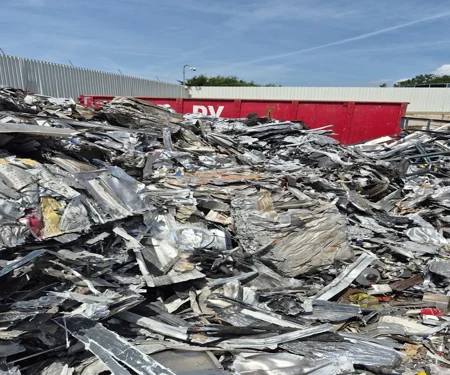
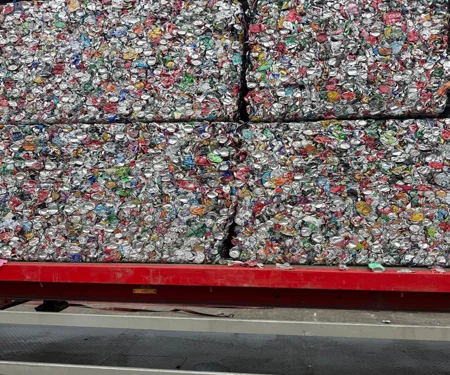
Stock image for referential purposes only
Japan’s automobile industry is facing growing concerns as disruptions in Middle Eastern aluminium supplies continue to push prices higher, increasing procurement costs and raising fears of specialised alloy shortages through 2027. The country is considered one of the most exposed to the disruption because of its dependence on aluminium and alloy imports from the Middle East. Based on 2024 UN Comtrade data, Japan is the most reliant on the region among the world’s five largest aluminium importers.
The Middle East currently supplies around 30 per cent of Japan’s aluminium and aluminium alloy imports, making the country particularly vulnerable as supply disruptions tighten the global market.
Following rising geopolitical tensions since the end of February, aluminium prices on the London Metal Exchange (LME) have surged sharply and remained well above earlier levels. According to LME data dated May 26, 2025, the aluminium cash offer price stood at USD 3,759 per tonne, while the three-month offer price reached USD 3,682 per tonne, the highest level since March 2022.
Aluminium prices had already been elevated because of electricity shortages affecting energy-intensive smelters, but rising tensions around the Strait of Hormuz have added fresh uncertainty to global supply chains and further tightened the market.
Japan’s reliance on Middle Eastern aluminium
Masatoshi Nishimoto of S&P Global Mobility said Japan is “one of the countries that will be hardest hit” if the supply crunch deepens further. The market is already showing signs of physical tightness, with aluminium trading in backwardation, where spot prices remain above futures prices, reflecting immediate concerns over supply availability.
Premiums paid by Japanese buyers over LME prices have also surged as companies compete for cargoes. The premium for the April–June quarter rose to USD 350–353 per tonne from USD 195 in the previous quarter. Buyers are now preparing for another difficult negotiation cycle for July–September shipments, particularly because premiums in Europe and the United States remain higher.
Although beverage manufacturers consume the largest share of aluminium in Japan, smaller firms in the automotive and construction sectors are considered more vulnerable to supply disruptions because they have less flexibility in sourcing specialised materials.
Carmakers prepare for higher costs
Even without immediate shortages, rising aluminium prices are beginning to affect the earnings outlook for Japanese automakers. Carmakers say the more immediate challenge is the steady increase in procurement costs linked to the Middle East crisis.
Koji Sato, chairman of the Japan Automobile Manufacturers Association and former president of Toyota Motor, acknowledged the industry’s concerns during a March press conference. Referring to Japan’s dependence on Middle Eastern aluminium and naphtha, he said: “If the impact is prolonged, challenges in material procurement will inevitably arise.”
Mitsubishi Motors expects a YEN 30 billion impact on earnings this fiscal year from “the effects of the Middle East,” with about half linked to higher aluminium and material costs.
Toyota estimates the Middle East situation could reduce earnings by YEN 670 billion in the fiscal year ending March 2027, including YEN 400 billion related to higher material costs and associated pressures.
Nissan Motor has also projected a YEN 15 billion impact in the first half because of weaker sales and rising raw material expenses.
Middle East supply disruptions tighten aluminium market
The Middle East accounts for nearly 20 per cent of aluminium supply outside China, where most production is consumed domestically. Analysts now expect part of the region’s aluminium capacity to remain offline through 2027 due to damage to key facilities and continuing disruptions to raw material supplies.
To produce aluminium, smelters depend heavily on alumina, much of which is imported through the Strait of Hormuz. Any disruption along this route raises risks for the region’s aluminium supply chain.
In 2025, the Middle East produced around 6.15 million tonnes of primary aluminium, requiring an estimated 13.08 million tonnes of alumina and between 26.16 million and 39.24 million tonnes of bauxite under standard industry conversion ratios. With shipping routes under pressure, a large portion of these imports now faces uncertainty.
The supply concerns have already started affecting operations across the region. Iranian strikes reportedly damaged facilities linked to Emirates Global Aluminium in the United Arab Emirates and Aluminium Bahrain, while Qatar’s Qatalum reduced output in March because of natural gas shortages.
Explore: The most comprehensive and forward-looking industry-focused report – Gulf Disruptions Roadmap: Decoding Aluminium Market Volatility, Supply Risks & Trade Flow Shifts
Alloy shortages emerge as a concern
Industry executives are especially concerned about specialised aluminium alloys used in automotive wheels because many major suppliers were based in the Middle East and Russia before the Russia-Ukraine conflict disrupted trade flows.
“Outside of China, the Middle East has become one of the important supply regions, partly due to difficulties in sourcing from Russia,” said Nobuyuki Takagi, general manager of the light metals section at Marubeni.
Russia accounts for more than 10 per cent of global aluminium supply outside China, according to the US Geological Survey.
Takagi said there are risks of shortages for some aluminium alloys. He added that Japan is unlikely to face a complete aluminium shortage because Japanese firms own stakes in overseas smelters, including facilities in Australia and Canada.
Supply losses may continue through 2027
Wood Mackenzie estimates that more than 3 million tonnes of aluminium supply could disappear from the market this year, equivalent to around 10 per cent of global supply outside China. Another 1.8 million tonnes may be lost next year as damaged facilities take time to restart.
“Once smelters shut down, solidified aluminium inside smelter pots must be removed. Damage assessments are possible only after this is done,” said Uday Patel, senior research manager at Wood Mackenzie.
He added that Emirates Global Aluminium’s Al Taweelah and Alba smelters would need “a year, minimum,” to return to full capacity.
“It is only in 2028 that we assume that the Middle Eastern smelters will come back online, and there will also be some new projects coming up in Indonesia, and ramping up of new capacity in India as well,” Patel said.
BMI forecasts aluminium futures to average USD 3,100 per tonne this year, compared with USD 2,631 in 2025, before easing to USD 2,931 in 2027.
Information source: Nikkei Asia
Participate in our upcoming e-Magazine - Mine to Market: ALuminium Producers & Manufacturers 2026

Dushyant Kumar to head AGI Greenpac’s Aluminium cans operations
Next articleKolkata Metro completes aluminium third rail upgrade on Blue Line underground section
Grow with
AL Circle