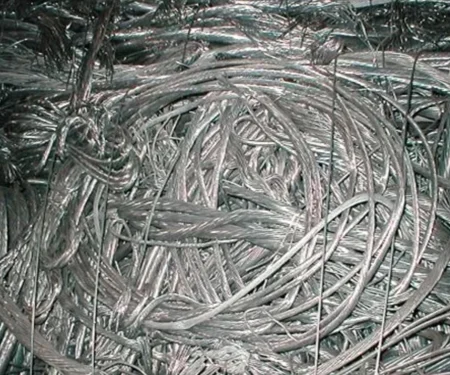
Aluminium margin squeeze in smartphones driven by AI Demand, Memory Costs and Titanium Shift
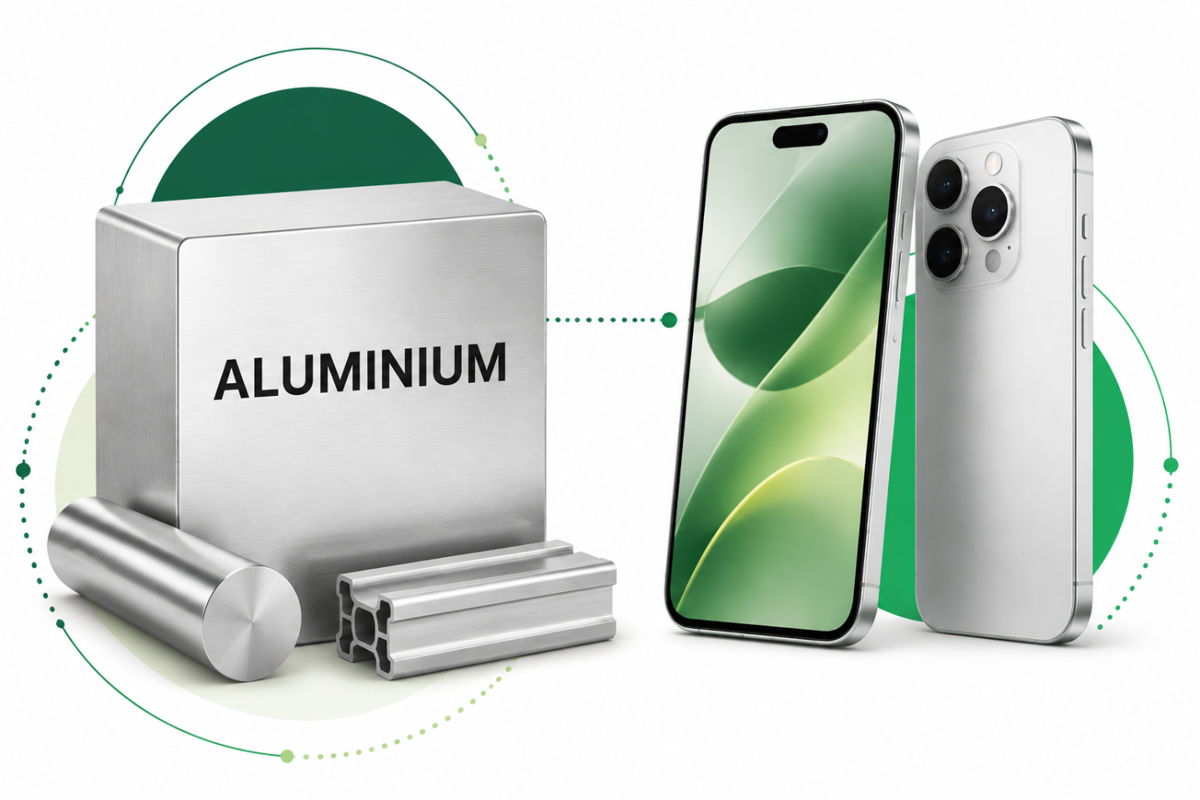
The image used in this article is generated with an AI tool and does not depict any real-time moment
- The component cost crisis: Driven by the explosive demands of Artificial Intelligence data centres, global smartphone memory prices skyrocketed. This pushed flagship Bill of Materials (BOM) costs up by nearly USD 300, forcing smartphone OEMs to cut costs in their structural chassis.
- The Titanium Reversal: Apple and Samsung abandoned titanium's thermal constraints for their latest flagships. Next-generation AI processors run dangerously hot, and titanium acts as a thermal insulator. The industry was forced to revert to hot-forged 7000-series aluminium to prevent catastrophic thermal throttling.
- The Upstream Threat: While switching back to aluminium solved the thermal crisis, downstream manufacturers walked into a global supply chain trap. Geopolitical conflicts in the Middle East have doubled physical billet premiums, while international climate legislation is applying massive penalties to coal-smelted primary metal.
The global smartphone industry is entirely dependent on a highly optimised supply chain encompassing up to 62 distinct elements. By mass, aluminium constitutes approximately 24.1 per cent of a typical modern smartphone. This equates to roughly 25 to 35 grams of refined metal per device. However, the economic impact of this material extends far beyond its raw weight.
For the last three years, consumer electronics manufacturers engaged in a highly publicised material arms race. Premium brands transitioned away from aluminium and stainless steel, marketing Grade 5 Titanium as the ultimate aerospace luxury.
Today, that titanium era is officially dead.
Industry leaders like Apple and Samsung have abruptly reversed course. As confirmed by recent teardowns and technical specifications, they are abandoning titanium for their ultimate flagships in favour of highly engineered aluminium unibodies. This is not a stylistic design choice. It is an engineering-led survival tactic.
The global smartphone industry is currently caught in a margin trap, owing to the intersection of volatile commodity markets, an unprecedented surge in semiconductor memory prices, and the unyielding laws of thermodynamics.
The thermal crisis: Why titanium failed the AI era
The retreat from titanium back to aluminium was triggered by the rapid advancement of Artificial Intelligence. The integration of advanced 2-nanometer and 3-nanometer processors brought unprecedented on-device computational capabilities. However, operating these processors at peak frequencies generates massive amounts of localised thermal energy.
This created a severe engineering bottleneck. As tech analysts recently highlighted regarding Samsung's material shift, Grade 5 Titanium is a poor conductor of heat. It essentially acts as a thermal insulator, trapping heat inside the device chassis. When a high-performance AI chip is encased in titanium, it suffers from rapid thermal throttling, degraded gaming performance, and accelerated battery degradation.
By shifting back to an aluminium unibody, Original Equipment Manufacturers (OEMs) transformed the entire exterior shell of the smartphone into a massive, highly efficient heat sink.
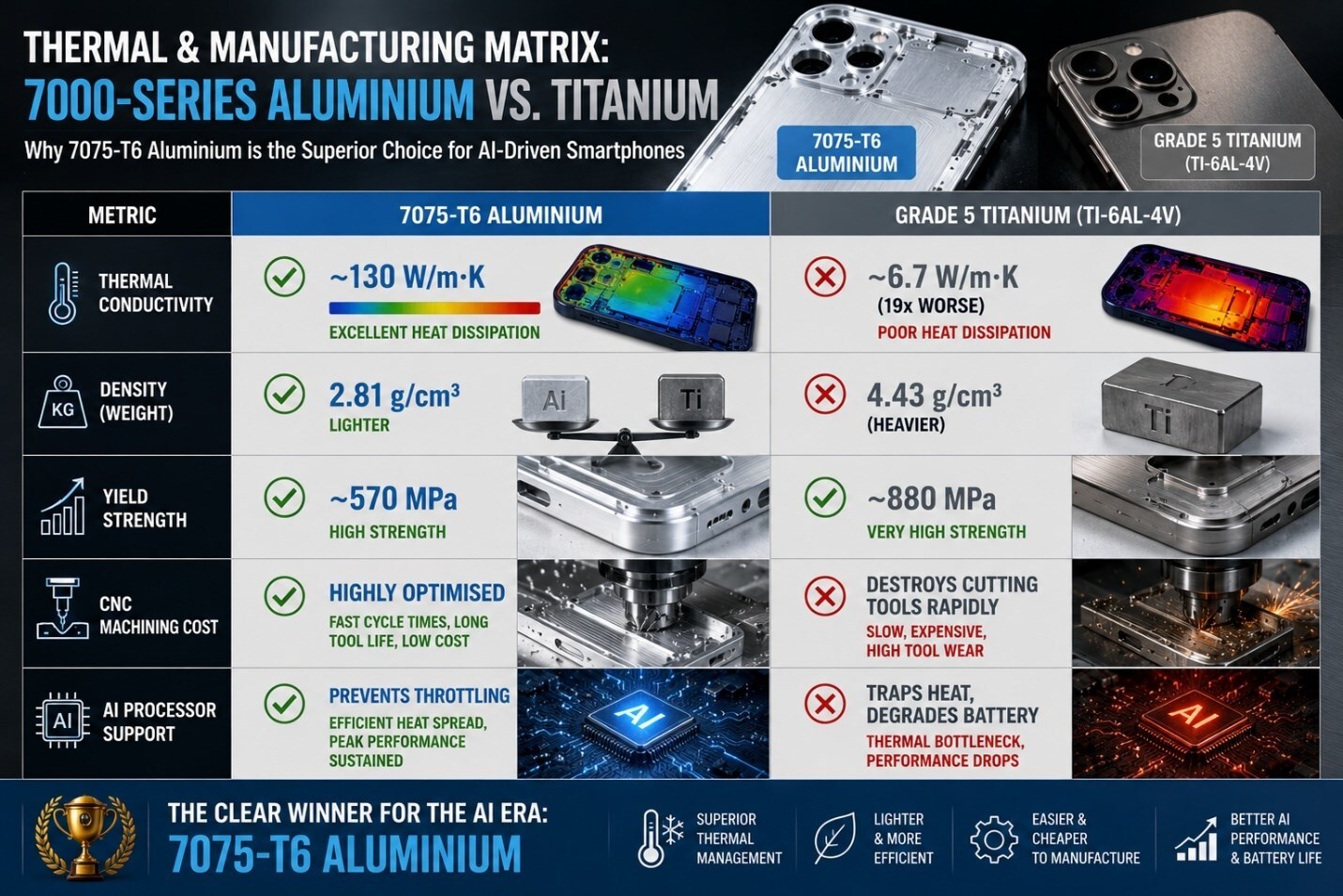 The image used in this article is generated with an AI tool and does not depict any real-time moment
To bridge the strength gap between the two metals, manufacturers are deploying advanced hot-forging techniques on 7000-series aerospace-grade aluminium. By pressing a heated solid billet between two dies with tremendous force, engineers refine the internal grain structure. This allows the aluminium chassis to safely absorb kinetic shock. In fact, recent flagship drop tests demonstrated that the new aluminium architecture effectively protects internal glass panels without the brittleness associated with titanium.
Participate in our upcoming e-Magazine - ALuminium’s Frontline: OEM Edition 2026
The multiplier effect of CNC machining
While reverting to aluminium solved the thermal crisis, it exposed the industry to a volatile upstream commodity market. The actual raw material value of the 35 grams of aluminium inside a smartphone is negligible. However, the cost of the finished aluminium housing component on a smartphone BOM ranges from USD 20 to over USD 60 globally.
This vast disparity is driven entirely by subtractive manufacturing. A single block of aluminium may have 80 per cent of its initial mass machined away to create the intricate internal geometries required to mount logic boards. As HLH Rapid details in their deep-dive cost analysis, complex 5-axis operations escalate hourly costs significantly.
When the global price of aluminium rises, the cost of the raw extrusion billet increases. This cost is calculated using a strict industry formula: the baseline London Metal Exchange (LME) futures price plus a regional physical delivery premium (which accounts for logistics, insurance, and supply scarcity). By mid-2026, these physical premiums decoupled from historical norms. According to market data, the Fastmarkets 6063 billet premium delivered in Northern Europe effectively doubled to hover between USD 1,175 and USD 1,250 per tonne, while the Asian Main Japanese Port (MJP) premium spiked by 25 per cent sequentially due to disruptions in the Persian Gulf.
_0_0.jpg)
Furthermore, surging energy costs drastically raise the electricity required to operate massive server farms of CNC mills in Asia. Consequently, an increase in primary aluminium prices exerts a severe multiplier effect on the overall housing BOM worldwide.
The emerging market squeeze and the global budget collapse
This brutal combination of soaring aluminium manufacturing costs and a surge in memory prices fundamentally altered the global retail landscape. Because smartphone manufacturers operate on carefully calibrated margins, sustained increases in the BOM inevitably result in cost pass-through to the end consumer worldwide.
Nowhere is this economic impact more visible than in highly price-sensitive emerging markets across Southeast Asia, Latin America, and Africa. These regions are uniquely vulnerable because their retail ecosystems rely almost entirely on high-volume, razor-thin margin devices; they simply do not possess the financial buffer to absorb raw material inflation.
India, serving as the ultimate bellwether for global volume, illustrates this crisis perfectly. As Forbes India queried regarding supply shocks, domestic assembly markets faced severe contraction. The sub-$200 entry-tier segment was effectively hollowed out, a trend echoed globally as budget devices became mathematically impossible to produce profitably.
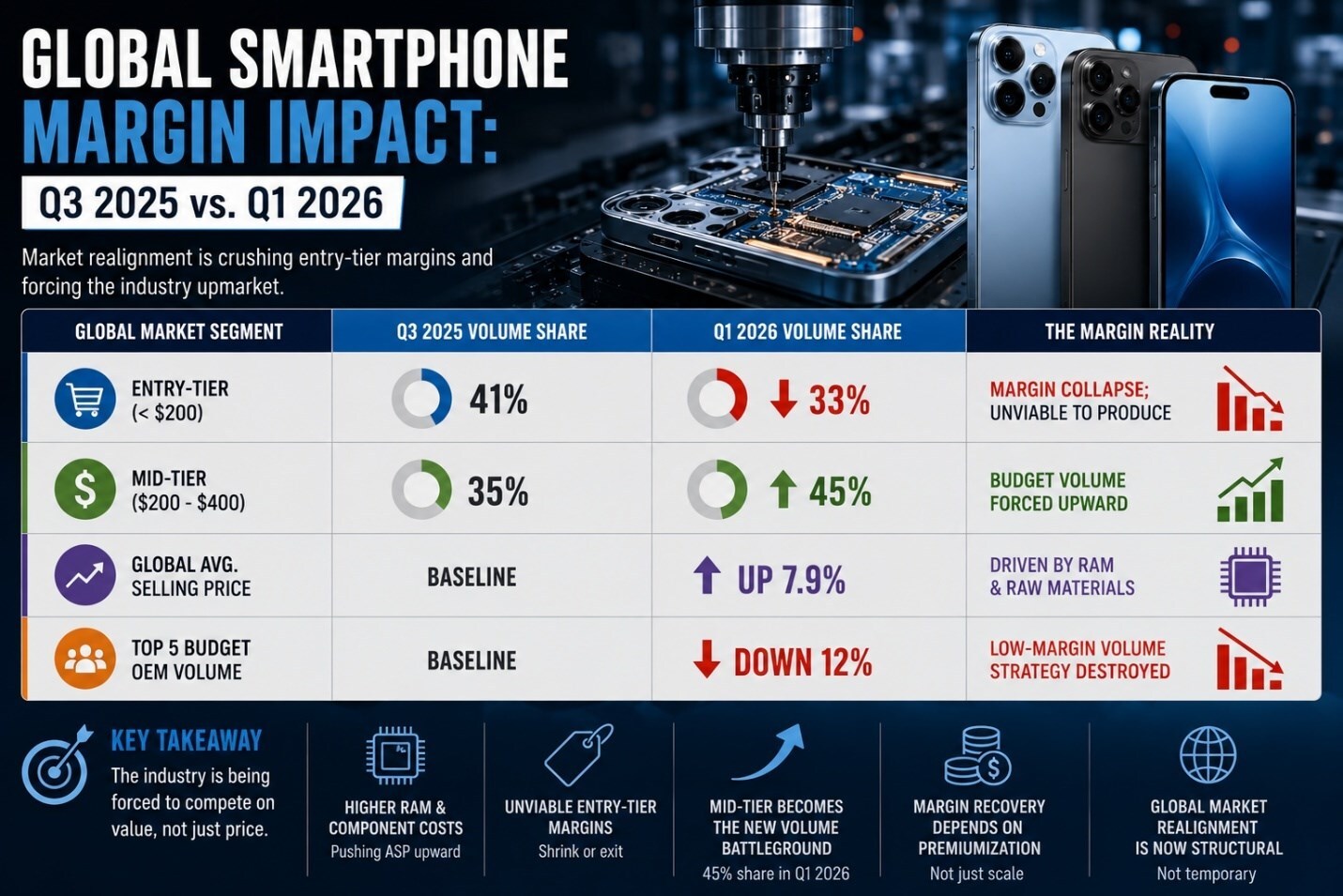
Despite possessing some of the cheapest domestic primary aluminium production capabilities globally, electronics makers in emerging manufacturing hubs face inverted duty structures. As Swarajya Mag noted in their market analysis, high import duties on raw materials continue to squeeze assembly margins, destroying aggressive pricing models for global brands heavily reliant on volume.
The e-waste bottleneck and the "green premium"
To circumvent rising primary costs and impending European carbon tariffs, major electronics OEMs are aggressively shifting toward recycled secondary aluminium. Google has mandated 100 per cent recycled aluminium for its Pixel hardware housings, while Apple continues to increase recycled content across its global portfolio.
Remelting secondary aluminium requires only 5 per cent of the energy used in primary production. However, the industry faces a formidable recycling bottleneck. Modern smartphones are intricately bonded using industrial adhesives and microscopic layers of dissimilar materials.
As recent academic life-cycle assessments confirm, the cost to manually dismantle and recycle a modern smartphone is approximately USD 6.60 per device. As experts at the Environment for Development Initiative point out, these extraction costs often outpace the market value of the recovered metal itself. While researchers acknowledge that a discarded smartphone is a goldmine, unlocking that value at scale remains prohibitively expensive.
The strategic conclusion
The era of cheap, highly abundant primary aluminium has concluded. For the consumer electronics industry, the transition back to aluminium is a double-edged sword. It successfully resolved the catastrophic thermal bottlenecks of next-generation AI processors, but it has exposed downstream manufacturers worldwide to a violently volatile commodity market.
To maintain profitability in this constrained environment, global smartphone manufacturers must double down on vertical integration. Securing long-term partnerships with specialised aluminium recyclers, investing in automated AI-driven device disassembly technologies, and mastering hot-forging techniques will be the defining operational strategies for the next generation of mobile computing. Aluminium is no longer just a structural casing; it is the critical thermal and economic bottleneck that will permanently dictate the survival of the global smartphone industry.
Note: This is exclusive coverage by AL Circle and may not be reproduced, republished or shared without prior permission.
Disclaimer: The opinions, information, claims, references, and images presented here are those of the author alone and AL Circle holds no responsibility.
Sonoco Q2 sales reach USD 1.9 billion as metal packaging demand improves
Next articleWallhack unveils CNC aluminium gaming keyboard ahead of July 24 launch
Grow with
AL Circle