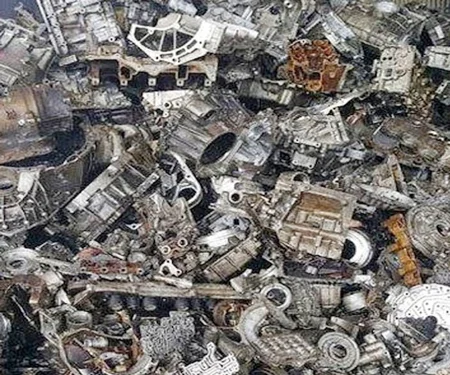
Why is the world scrambling for aluminium's building block? Let's dig deep into the geopolitical scenario…
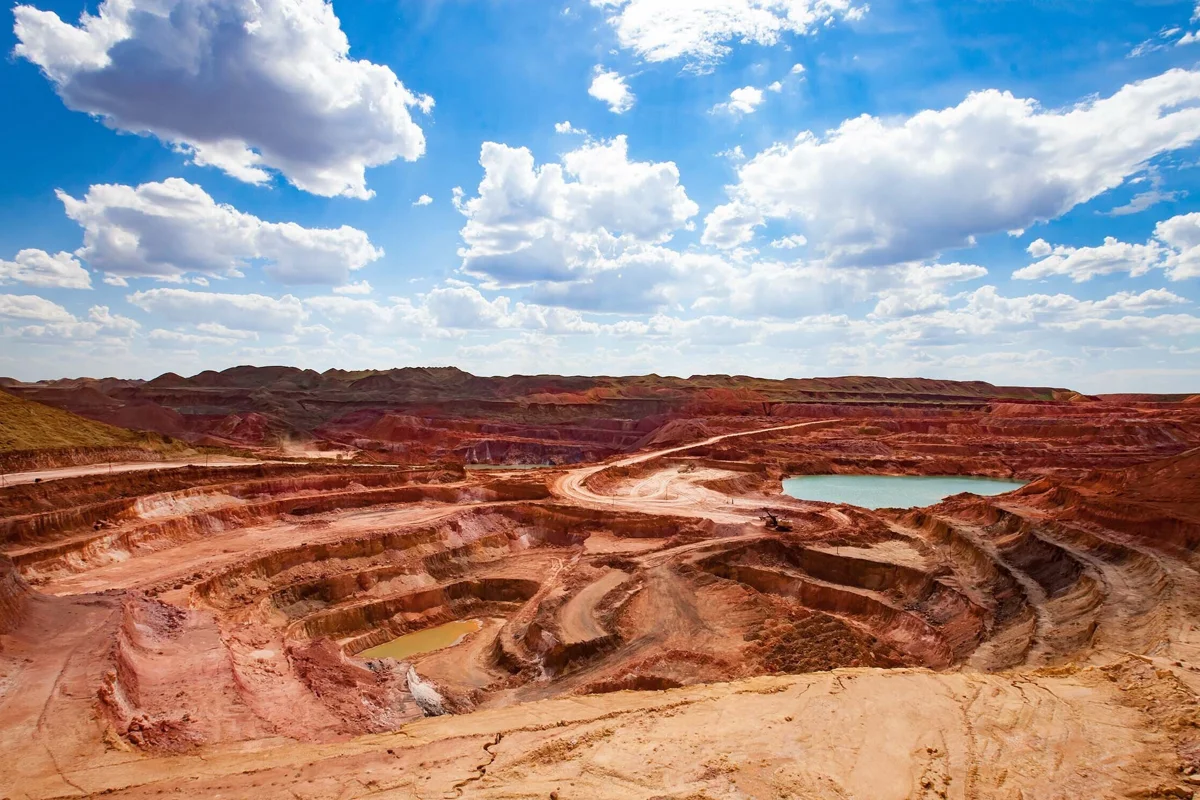
The World Bank identified aluminium as the 'high-impact, cross-cutting metal'. As a result, today's world intensely competes over securing bauxite ore, the raw material used to produce aluminium.
"I read... that every clay bank was a mine of aluminium and that the metal was as costly as silver. I soon after began to think of processes for making aluminium cheaply," said Charles Martin Hall, an American inventor, businessman, and chemist. He is best known for his invention in 1886 of an inexpensive method for producing aluminium. This process was also discovered at nearly the same time by the Frenchman Paul Héroult, and it has come to be known as the Hall–Héroult process.
Henceforth, the demand for non-ferrous metal, which was once even pricier than gold, has seen continual growth. Guinea, China and Australia lead the pack as the top bauxite-producing nations.
Unlock full access – sign up for FREE.
Key benefits
Driving Queensland’s resource future: McLanahan’s role in minerals expansion
Next articlePresidential talks focus on mining, logistics, and humanitarian cooperation between Kazakhstan and Guinea-Bissau
Grow with
AL Circle