Western governments’ critical minerals push raises fears of aluminium oversupply
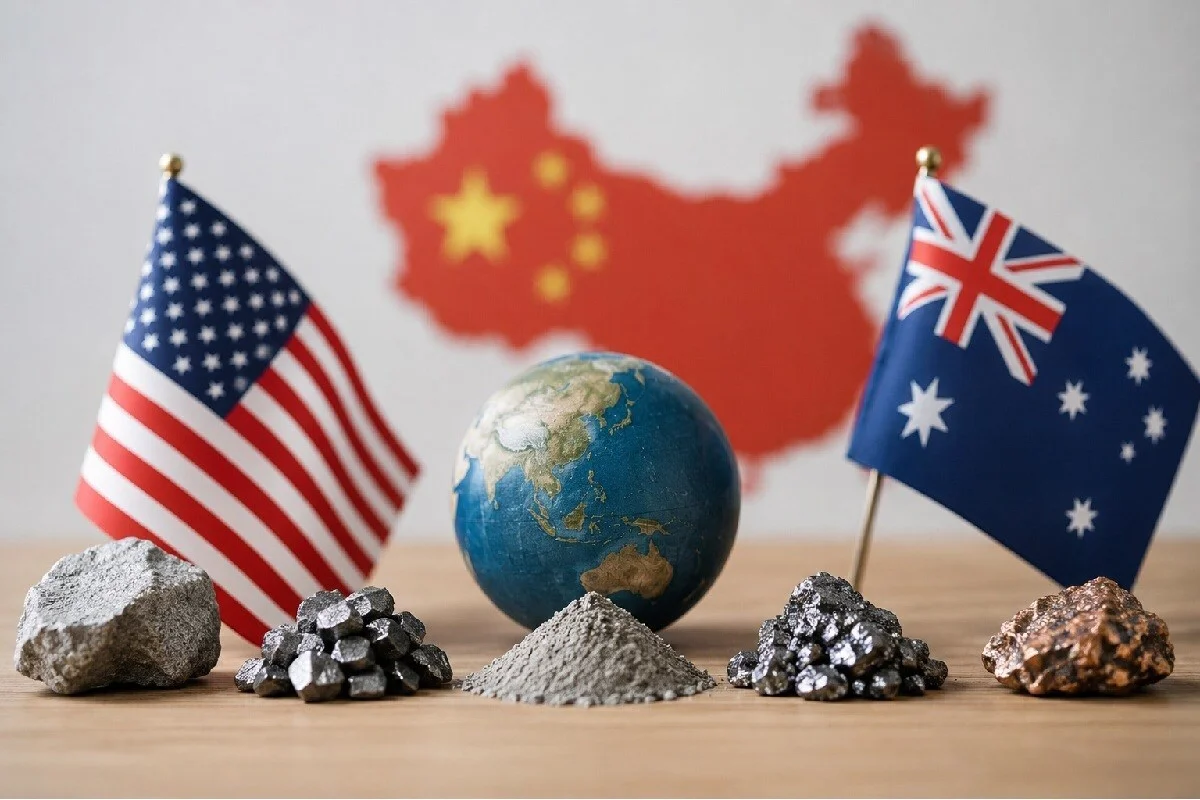
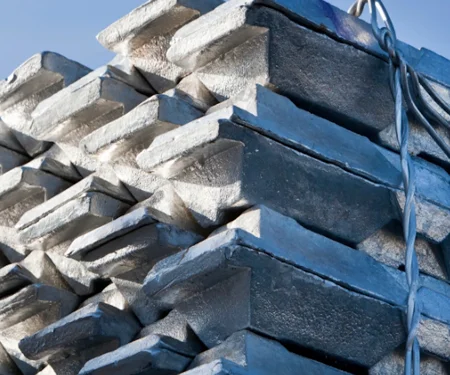
The image used in this article is generated with an AI tool and does not depict any real-time moment
Western governments are investing billions of dollars into critical minerals and strategic metals as they try to reduce dependence on China, but industry leaders are warning that the push could recreate the kind of commodity oversupply crises that once flooded global aluminium and other markets.
Executives, investors and analysts say the race to secure supply chains for minerals used in electric vehicles, semiconductors, defence systems and renewable energy technologies carries the risk of creating far more production than global markets actually need.
Brett Beatty, a partner at Resource Capital Funds, which supplies the US government with niobium and tantalum through its holdings in Global Advanced Metals said, “The biggest risk is we all do our own thing. We all generate multiples of volumes the world needs and then you just crush everything, because you've got an oversupply.”
The warning reflects concerns that history could repeat itself. During the 1980s and early 1990s, subsidies, cheap energy and price guarantees contributed to Europe’s “butter mountains,” Russian aluminium floods and Australia’s wool surplus, pushing global prices sharply lower and creating disruptions across commodity markets.
Billions are flowing into critical minerals and metals
The United States has allocated more than USD 20 billion toward critical minerals development and financing programmes, including around USD 10 billion for its strategic stockpile initiative known as Project Vault.
Australia has also committed at least AUD 13 billion across several critical minerals programs, including plans linked to strategic reserves.
The investment push is becoming especially visible in rare earths, which are used in magnets for defence systems, advanced manufacturing and medical equipment. The International Energy Agency expects the wider USD 320 billion critical minerals market to double by 2040.
However, the rare earths sector itself was worth only around USD 6.4 billion in 2024, according to IEA figures. Reuters calculations show that the combined financial support promised by the United States, European Union, Australia and Japan for rare earth projects globally has already exceeded the market’s current value.
Explore: The most comprehensive and forward-looking industry-focused report — Global Bauxite & Alumina Market Forecast to 2036: Supply–Demand, Trade Flows & Price Outlook
Oversupply concerns are beginning to grow
David Merriman of consultancy Project Blue said some rare earth markets could move into surplus over the coming years because of the current investment wave, although governments could still moderate support if oversupply risks rise further.
He noted that government-led stockpiles can stop purchasing when necessary, helping to stabilise markets, while guaranteed price support and government purchasing programmes remain relatively limited at present.
Amanda Lacaze, chief executive of Lynas Rare Earths, also said global rare earth stockpiles currently remain small and do not yet pose a risk of overwhelming the market.
Australian Resources Minister Madeleine King said Australia’s approach differs from earlier commodity stockpiling programs because it focuses on targeted project investments designed to strengthen supply chains for domestic industries and allied economies.
Reuters reported earlier this month that Group of Seven countries are discussing the creation of a permanent secretariat aimed at improving long-term coordination on critical minerals policy beyond rotating presidencies.
Indonesia and Congo show how intervention can reshape markets
Government intervention has already reshaped several metals markets in recent years.
The Democratic Republic of Congo introduced cobalt stockpiles and export quotas to increase mining revenues and support prices. While the measures lifted cobalt prices in the short term, analysts warn that prolonged restrictions could eventually encourage buyers to shift toward substitute materials or more reliable suppliers.
Authorities also face a difficult balance. Relaxing export controls could trigger another wave of shipments from major producers such as CMOC Group, while maintaining restrictions for too long could weaken long-term demand.
Indonesia followed a similar strategy in nickel after banning nickel ore exports in 2020 to encourage domestic processing and increase mining revenue. Within three years, production tripled, helping Indonesia strengthen its position as the world’s dominant nickel producer.
However, Indonesia later tightened mining quotas again as oversupply and falling prices began affecting the market. The country has since announced plans to centralise commodity export control.
Aluminium and alumina operations may play a larger role
Some analysts believe a lower-risk approach would be better to extract critical minerals through existing aluminium, alumina and smelting operations instead of developing entirely new mines. Huw McKay, former chief economist at BHP and now a visiting fellow at Australian National University, said expanding processing capacity at existing operations could help reduce large supply swings linked to commodity cycles.
That model is already emerging in Western Australia, where Alcoa and Sojitz Corporation are adding gallium extraction capacity to alumina operations near Perth with support from Australian, Japanese and US governments. Meanwhile, Trafigura has started extracting antimony from its Nyrstar lead smelter operations in South Australia. McKay said current Western government support still resembles “seed funding” compared with the investment scale of large mining companies.
Participate in our upcoming e-Magazine - Mine to Market: ALuminium Producers & Manufacturers 2026

Aluminium prices advance as industrial metal demand holds firm
Next articleAlcoa gains 4.47% as aluminium prices hit four-year high amid China and Middle East supply fears
Grow with
AL Circle