US to not relief New Zealand from imported aluminium and steel tariffs

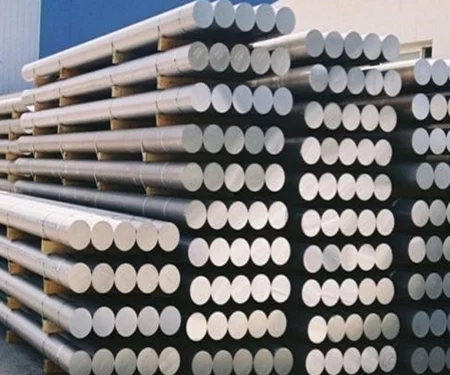
New Zealand to be slapped with aluminium and steel tariffs if they want to export to the US – declared the Trump government. While on one hand, the United States has reached agreements for permanent exemptions for some of its allies including Australia and extended reprieve for the EU, Canada, and Mexico until June 1, 2018; on the other, the country excluded New Zealand, South Africa and Japan from the relief.
Although the decision did not appear as a big surprise to the New Zealand government, yet it felt like "a kick in the guts", said Employers and Manufacturers Association chief executive Kim Campbell.
Expressing disappointment, he also said, “What we have trouble trying to figure out is the rather random nature of the countries that have been made exempt.”
"It seems our closest allies are fair weather friends."
Prime Minister Jacinda Adern had also expected the exemption, believing that New Zealand’s metal export to the US is too marginal to pose any threat to the world’s largest economy.
The impact of tariff on New Zealand industries is, however, still unknown, according to Campbell, but he fears that it could result in job losses and would also make other markets more difficult to access because of soaring competition.
Nonetheless, a strong New Zealand economy would, fortunately, be able to find a solution and any unemployed workers should be able to find new positions without too much difficulty, said Campbell.
He thinks, "It's quite good this happened at a time when everyone is looking for people."

New Zealand Trade Minister David Parker is also disappointed with the US decision and has written to the US counterparts, along with Prime Minister Jacinda Adern, to direct officials to engage at all levels.
"The omission of New Zealand from the list of exempted countries belies our positive bilateral relationship," Parker said.
Constellium supplies aluminium Auto Body Sheet for new Mercedes-Benz CLS model
Next articleHigher aluminium price lifts Q1 2018 revenue of AMAG Austria despite lower shipment
Grow with
AL Circle