UAE’s aluminium bar rods and profiles import to witness a year-on year growth on rising demand
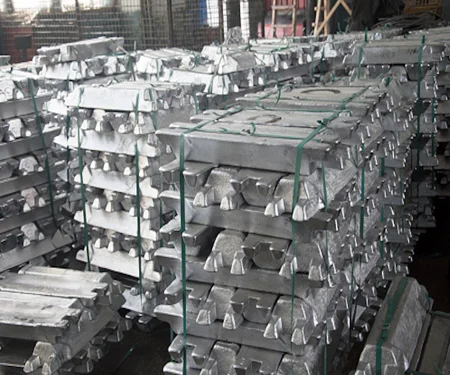
With each passing year, aluminium semi-finished products are becoming an obligatory raw material used in the construction industry across the globe. Over the past 50 years, its use in building applications in the form of rolls, bars, and rods has shown a continuous and consistent growth. Thanks to the characteristics and properties of aluminium as a material that have led to revolutionary and innovative changes in building techniques and architectural and engineering projects.
{newsStudioGallery}
Even in the United Arab of Emirates, architectural, building, and secondary applications are accounting for a huge growth of the aluminium extrusion market. This is expected to grow further with significant investments being made in the transportation, electrical and industrial sectors across the GCC countries.
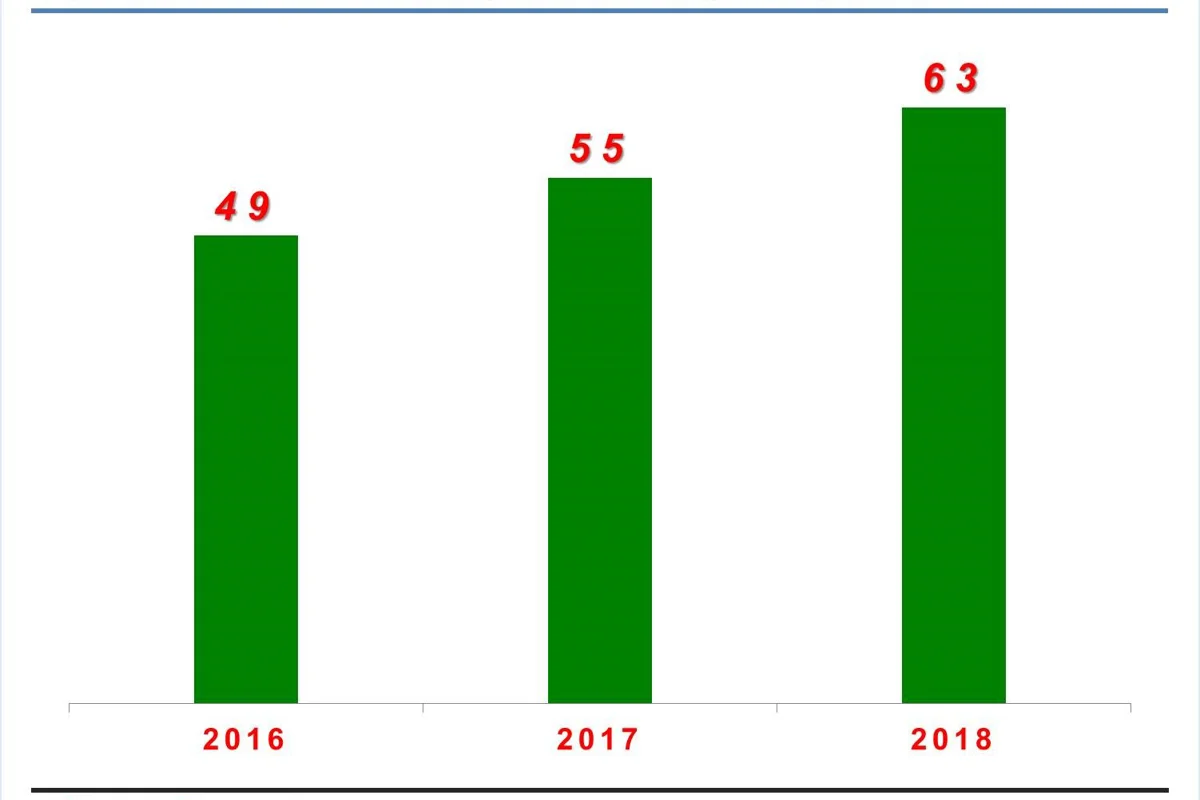
On this note it is to be noted that according to the global export-import data, the import volume of aluminium bar rods and profiles by the UAE this year is expected to outpace the estimated import volume of 2016 and 2017. Around 49,541 tonnes of aluminium bar rods and profiles were imported by the UAE in the calendar year 2016, while in CY 2017 the amount had increased to 55,667 tonnes, up 11 per cent. In 2018, this volume is forecast to grow further to 63, 129 tonnes, up 27 per cent from 2016 and 13 per cent from 2017.

Besides volume, the UAE’s aluminium bar rods and profiles import cost is also forecast to grow this year but only from 2017. In 2016, the UAE’s estimated import cost was at US$ 128 million, which was 18 per cent higher than US$ 105 million in the successive year 2017. This is expected to grow in 2018 to US$ 117 million, up 10 per cent from 2017 but down 9 per cent from 2016.

The data also shows that Oman is expected to be the top exporter of aluminium bar rods and profiles to the UAE, followed by Saudi Arabia. Oman is forecast to export around 39, 251 tonnes while Saudi Arabia to supply almost 11,534 tonnes this year.
Arconic Inc. is engaged discussing acquisition offers: Sources say
Next articleNalco seeks collaboration with Russia for investment and technology at Angul Aluminium Park
Grow with
AL Circle