Trimet expands German recycling capacity by 80,000 tonnes per annum
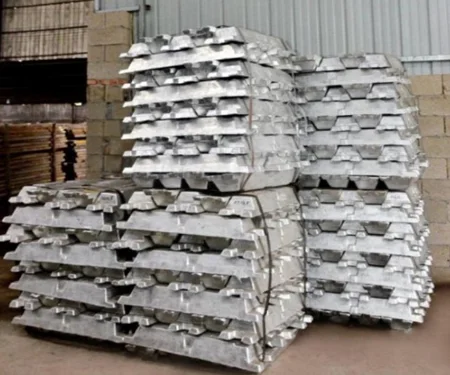
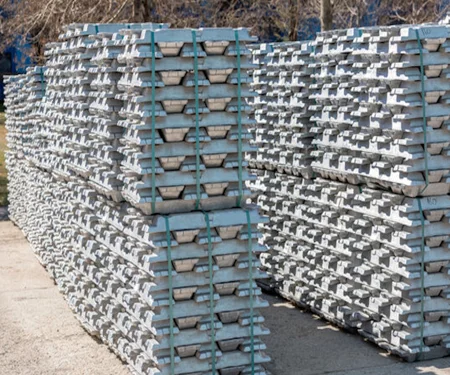
Stock image for referential purposes only
German aluminium producer Trimet has outlined plans for investments at its recycling operations, including the construction of a new aluminium recycling facility in Hamm and capacity expansions at existing sites in Gelsenkirchen and Essen.
At its recycling plant in Gelsenkirchen, the company has expanded production capacity through the installation of new melting units. The additional equipment is expected to increase recycled aluminium output by up to 80,000 tonnes per year.
The site is also incorporating renewable energy measures, with solar panels installed on building rooftops to supply electricity for operations.
From August 2026, the melting furnaces at the facility will begin operating with hydrogen-rich process gas. According to the company, the fuel generates lower carbon dioxide (CO2) emissions than conventional natural gas.
Dr Andreas Lützerath, Member of the Board of Trimet Aluminium, said, “We are systematically aligning our strategy with growing demand for recycled aluminium and investing in capable structures that ensure a reliable, high-quality supply over the long term – even in a challenging market environment.”
Trimet is also preparing to commission a new recycling facility in Hamm, which is expected to start operations by the end of 2026.
The facility will focus on the sorting, processing and logistics of aluminium scrap. It will use laser-based analysis technology to identify the metallurgical characteristics of scrap materials and for separation for alloy production.
According to the company, the plant is expected to improve raw material supply security, reduce dependence on primary aluminium and support efforts to lower the carbon footprint of aluminium products.
In Essen, Trimet has completed infrastructure work to support future growth.
The company has expanded storage areas to allow alloy-specific separation and storage of aluminium scrap. The upgrades are expected to increase site capacity by around 16,000 tonnes.
Trimet said they will improve material quality, support process efficiency, and increase the use of recycled aluminium in production.
Explore: The most comprehensive and forward-looking industry-focused report “ALuminium Dross Processing: Generation, Recovery & Strategic Roadmap”
Alongside the investments in recycling infrastructure, the company is expanding its portfolio of recycling-based aluminium alloys.
Trimet currently offers Trimal-04, a high-pressure die-casting alloy with a high recycled content, as an alternative to its primary aluminium alloy Trimal-05.
The company is also developing a recycled version of Trimal-38, an alloy used in battery housings, structural components and other automotive applications where crash performance is important.
According to Trimet, adjustments to alloy compositions allow a higher proportion of secondary aluminium to be used while maintaining the required mechanical properties.

Europe’s aluminium scrap policies: Strengthen recycling but leave export challenge unresolved
Next articleAluminium scrap evolves into strategic resource: Nations roll out policies to secure domestic supply
Grow with
AL Circle