Toyota, Honda, Nissan face aluminium supply disruptions for Middle East conflict
The ongoing Iran-US conflict has disrupted aluminium supplies, creating challenges for automakers such as Toyota, Honda, and Nissan.
The disruption is linked to issues in the Strait of Hormuz, a key shipping route, where Gulf producers have declared force majeure, affecting around 10 per cent of global aluminium supply.
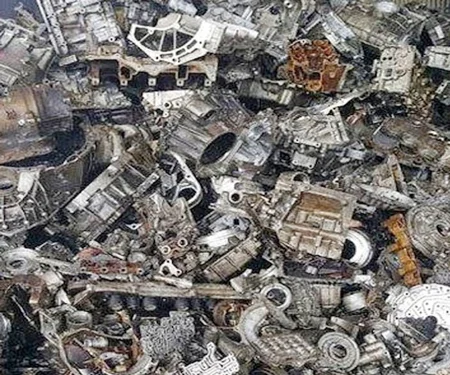
Japan remains heavily dependent on imports for aluminium, which is widely used by auto-parts manufacturers for components such as wheels and engine parts.
Toyota CEO Koji Sato said, “With regard to the materials like aluminium; about 70 per cent of it comes from the Middle East. And so if this situation (Iran-US War) prolongs, needless to say, there's going to be procurement problems, I think there should be alternative sources and to explore and depending on how long the situation will prolong our options will need to be changed for the time being.”
Explore- Most accurate data to drive business decisions with Global ALuminium Industry Outlook 2026 across the value chain
Japanese companies have already started discussions with alternative suppliers, including Russian foundries, and some agreements are expected to be finalised soon.At the same time, companies are working on alternative logistics strategies to ensure continued supply.
Sato further stated, “With regard to the logistics, the ships cannot enter the Strait of Hormuz and that would bring us a delay in the procurement and we are witnessing that usually the shipping period or lead time is by about 50 days and anyway we have to secure the shipping route. So we have been selecting different roads. For example the Cape Of Good Hope but the distance is going to be doubled, therefore how the shipping route is going to be secured for the final products. This is going to depend on the logistic capacity as well as the manufacturing capacity.And each member company is working on that.”
Don't miss out- Buyers are looking for your products on our B2B platform

Orora’s Helio technology elevates aluminium can design for Pirate Life Brewing’s latest edition
Next articleIndia’s lithium-ion dependence exposes EV sector to supply risks amid China curbs
Grow with
AL Circle