The US needs more aluminium, but new smelters are years away
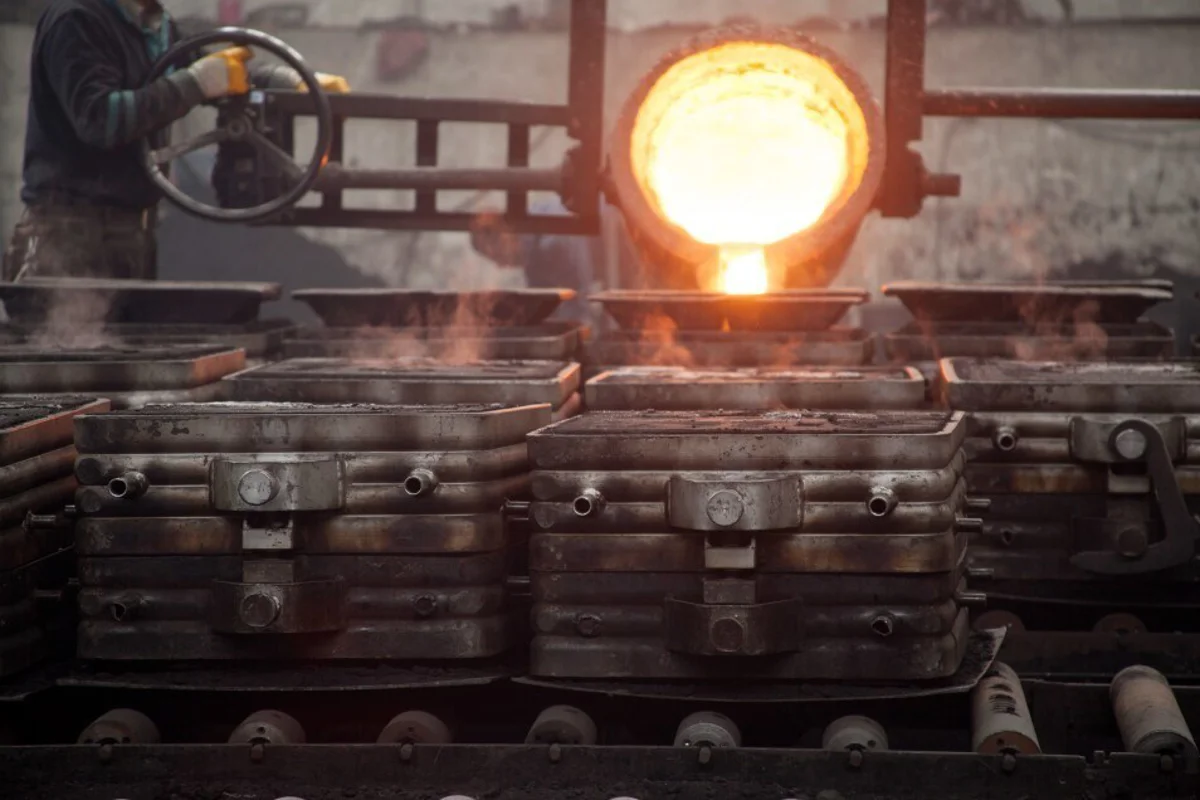
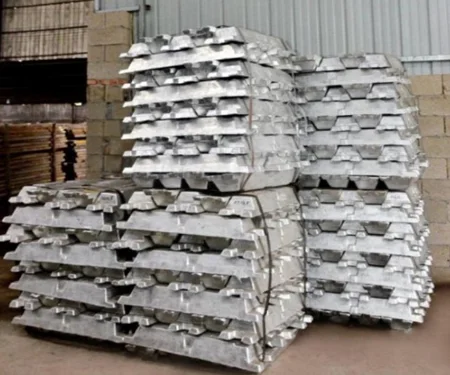
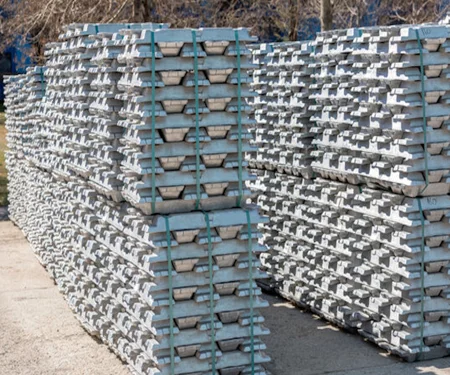
Stock image for referential purposes only
The US urgently needs more aluminium for its defence sector, but new smelters will take years to come online, while disruptions to high-purity aluminium imports have exposed a more immediate supply vulnerability.
The United States is facing a growing aluminium supply challenge that is becoming increasingly important for its defence sector, as rebuilding domestic production capacity remains a long-term process and overseas supply disruptions threaten access to specialised metal.
President Donald Trump recently said the US “desperately” needs more aluminium, highlighting the urgency facing a market that remains heavily dependent on imports despite efforts to revive domestic production.
One of the most prominent new projects is the planned aluminium smelter in Inola, Oklahoma, a joint venture between US producer Century Aluminum and Emirates Global Aluminium (EGA). The project has received USD 500 million in federal funding and is intended to strengthen US aluminium production.
But the project illustrates the problem facing the US: even if construction begins as scheduled by the end of 2026, the smelter is not expected to produce its first hot metal for at least another three years.
Pentagon faces an aluminium problem now
The urgency became clear during a US Department of Defense wargame conducted in July 2025 to examine the country's aluminium resilience in the event of a large-scale conflict in 2027.
The exercise brought together 80 participants from across the aluminium supply chain, industry associations and government departments to examine potential disruptions and policy responses.
The options included building new smelters, refurbishing existing facilities and increasing aluminium recycling. While these measures could improve the overall health of the US aluminium industry, the Defense Logistics Agency warned that none would meet the Department of Defense's shorter-term aluminium and high-purity aluminium requirements within two years.
The US can invest in new production capacity, but new facilities require years to build. Defence planners, meanwhile, need to know where their aluminium will come from if supply is disrupted during a major conflict.
To know the production, demand and consumption forecasts on bauxite and alumina, explore the report "Global Bauxite & Alumina Market Forecast to 2036: Supply–Demand, Trade Flows & Price Outlook"
High-purity aluminium exposes a bigger vulnerability
The most immediate concern is not necessarily ordinary aluminium, but high-purity aluminium (HPA).
The US defence sector accounts for only around 5 per cent of domestic aluminium demand, but its share is significantly higher when it comes to HPA. The specialised material, often used in alloy form, is required for some of the Pentagon's essential systems.
The US has only one domestic HPA producer, leaving the defence sector heavily reliant on imports.
A significant portion of those imports has historically come from the United Arab Emirates, making the supply chain particularly vulnerable to disruption in the Gulf.
That vulnerability became more apparent after Iran attacked EGA's Al Taweelah smelter in March. EGA has begun restoring operations, with a quarter of its electrolytic cells operational as of Wednesday, but US imports from the UAE have fallen sharply since the attack.
The Pentagon had already conducted another wargame examining potential disruptions at domestic facilities, including Alcoa's smelter in New York and Arconic's HPA plant in Iowa.
However, that exercise did not anticipate an attack on the US military's largest overseas HPA supplier.
The disruption has also complicated one of the simplest short-term solutions identified by the defence wargame: building up HPA and HPA-alloy stockpiles.
Tariffs have not closed the supply gap
Washington's 50 per cent aluminium import tariff has encouraged some domestic production to return, but the impact on overall supply has so far been limited.
Century Aluminum has restarted 50,000 tonnes per year of capacity at its Mount Holly smelter in South Carolina, bringing the facility back to full production.
Meanwhile, Magnitude 7 Metals is working to restart a 1970s-era smelter in Missouri that was closed in 2024. Its first 75,000-tonne-per-year potline is targeted for restart by the end of 2026.
Recycling is also expanding. According to the Aluminum Association, employment growth in the US aluminium recycling sector exceeded 20 per cent between 2024 and 2026.
But these developments have not eliminated the country's dependence on overseas metal.
The US remained 60 per cent dependent on aluminium imports in 2025, according to the US Geological Survey.
Explore primary aluminium suppliers, product listings and trade opportunities on AL Biz
US buyers are paying heavily for scarce metal
The CME Midwest Premium, the surcharge paid by US buyers on top of the London Metal Exchange aluminium price, has reached USD 2,467 per tonne.
That is around USD 850 per tonne higher than the implied level associated with a 50 per cent tariff, suggesting that US buyers are paying a substantial premium for physical aluminium amid constrained supply.
The loss of production in the Gulf has added further pressure, forcing US buyers to compete with European and Asian consumers for available metal.
In effect, tariffs may be encouraging domestic production, but they have not yet solved the fundamental problem: the US needs more aluminium than its domestic industry can currently supply.
Canada could provide a short-term answer
The Trump administration has introduced another incentive: a reduced 25 per cent import tariff for companies building, expanding or refurbishing domestic aluminium smelting capacity. Canada, however, is not expected to receive the same reduction after trade negotiations broke down and tariffs escalated.
That is significant because Canada remains the largest supplier of primary aluminium to the US market, although it has directed more of its production towards Europe in recent months.
Even if Canada redirected its entire production towards the US, however, it would not be enough to eliminate the country's aluminium shortfall, according to Morgan Stanley analysts. The marginal imported tonne would still face a 50 per cent tariff, with the Midwest Premium reflecting the additional cost.
Yet Canada could still offer something the US urgently needs: a short-term supply buffer for defence.
A memorandum of understanding between the two countries contains a special arrangement under which Canada would prioritise US defence aluminium purchases if Washington needed to rapidly increase aluminium supplies during a large-scale conflict.
That could give US defence planners an emergency option while domestic production capacity catches up.
The broader problem, however, remains unresolved. Building new smelters, reopening old facilities and expanding recycling can strengthen US aluminium security over the long term, but none can provide significant volumes overnight.
For now, the US is caught between a defence sector that needs aluminium immediately and a domestic industry whose biggest solutions are still years away. And when it comes to high-purity aluminium, recent disruption in the UAE has shown just how exposed that gap can become.
Unlock key insights from leading companies and experts across the aluminium ecosystem with our e-Magazine - Mine to Market: Aluminium Producers & Manufacturers 2026
Century Aluminum stock jumps to $45.89, but GuruFocus flags 97% overvaluation
Next articleMaaden secures $1b in oversubscribed financing as Saudi mining push accelerates
Grow with
AL Circle