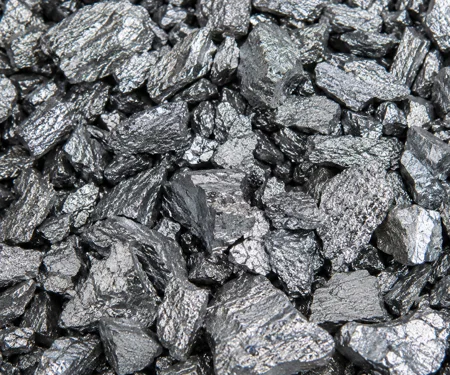
When aluminium prices slipped on both the Shanghai and London exchanges this week, it wasn’t just another market wobble, it was the latest chapter in a trade saga that has stretched over seven years.
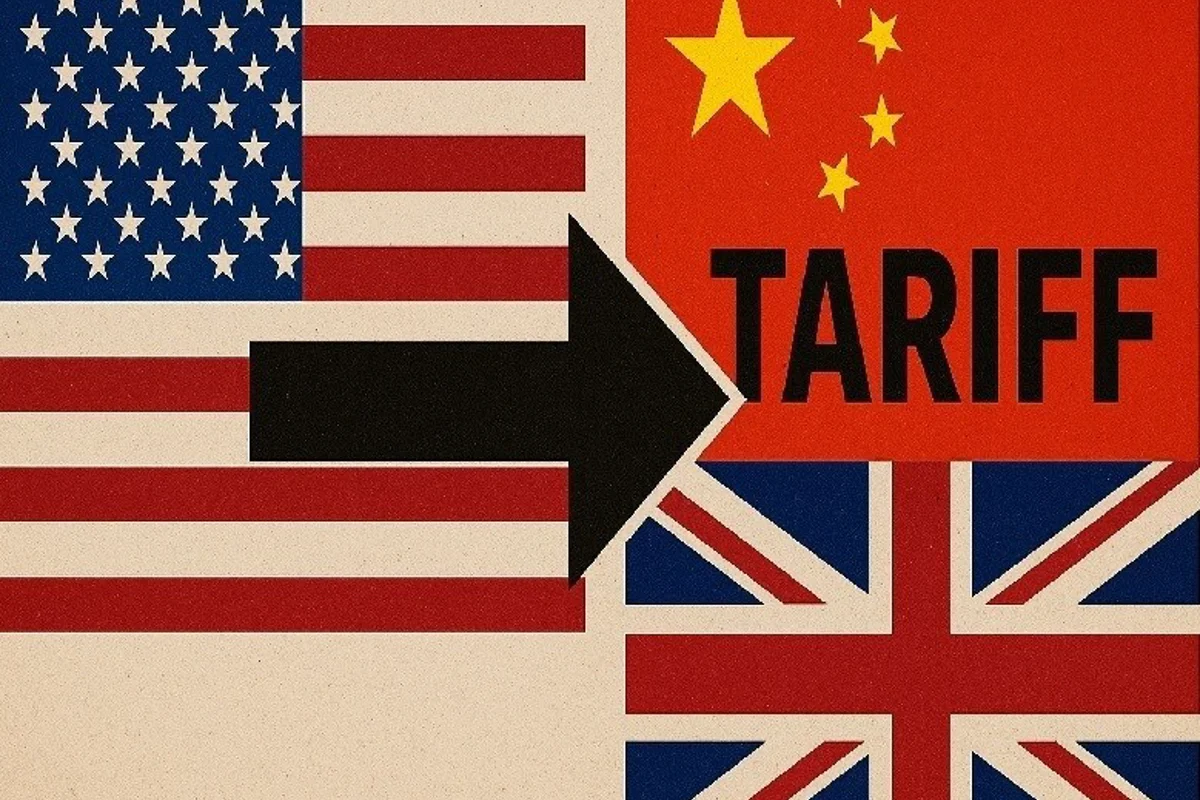
What began with a modest tariff in 2018 has grown into a protectionist wall, reshaping how the world’s two biggest aluminium players, China and the UK sell into the American market.
On August 18, US tariffs expanded to cover more aluminium products at a steep 50 per cent rate, just as Chinese smelters reported yet another rise in production. The result was swift: Shanghai’s most-traded aluminium contract fell 0.82 per cent to yuan 20,570 (USD 2,864 a tonne), a two-week low, while London prices slipped 0.4 per cent to USD 2,596.50. For producers, it was a reminder that tariffs and supply gluts often collide at the worst possible moment.
From 2018 to 2025: the climb to 50%
The roots of the current aluminium market turmoil go back to March 8, 2018, when Washington first imposed a 10 per cent tariff on aluminium imports under Section 232, citing national security. At the time, close allies such as Canada, Mexico, the EU, and Australia were granted exemptions or quotas.
Over the years, that policy hardened. On February 10, 2025, the US raised tariffs to 25 per cent on all aluminium imports, stripping away exemptions and quotas. By March 12, the new rules applied across the board, underscoring Washington’s determination to curb foreign metals in its market.
The sharpest escalation came on June 4, 2025, when tariffs doubled to 50% for most countries. The UK was the only exception, retaining a 25 per cent rate thanks to its Economic Prosperity Deal with the US. This created a stark divide: Chinese producers faced prohibitive barriers, while British exporters still had a relatively affordable route into the American market.
The story reached a turning point in May 2025, when Washington and London struck a new trade pact that scrapped the 25 per cent duty on UK aluminium imports, cementing Britain’s tariff advantage over other suppliers. The US had originally set July 9, 2025, as a backstop deadline to finalise terms, including potential tariff-free quotas or adjustments, but the agreement effectively resolved the issue ahead of schedule.
China: shut out and diverting elsewhere
According to sources, for China, the tariff escalation has been bruising. In 2024, it shipped 534,016 tonnes of finished aluminium products to the US — 16.3 per cent of its total finished exports. Another 252,870 tonnes of semi-finished products also went, though this was just 4 per cent of semi-finished exports.
The US, for its part, relied heavily on Chinese supply. Chinese products made up 27.4 per cent of all finished aluminium imports by value. Yet dependence ran only one way: China could afford to lose the US, but the US could not easily replace Chinese supply.
The 50 per cent tariff in June 2025 forced a pivot. Chinese producers began redirecting exports to Asia and Europe, intensifying competition there. At home, they pushed for more domestic consumption and expedited export licenses to ease bottlenecks.
Meanwhile, in the US, premiums soared. On June 3, 2025, the American aluminium premium hit a record 54 cents per pound over LME cash prices, encouraging smelters to chase cheaper scrap metal instead of imports.
To know more about China aluminium market read: Aluminium China: 2025 & Beyond
The UK’s story has unfolded differently. Aluminium is not its biggest export, but it matters: in 2024, Britain shipped about 7,100 tonnes of semi-finished and finished products to the US, only 3 per cent of its global exports, yet worth a solid share of its $3.61 billion total aluminium exports.
The US is also one of Britain’s most important markets, buying roughly 10 per cent of UK aluminium exports (about £225 million in 2024). And when the broader trade picture is considered, the stakes grow even higher: total US-UK trade stood at £322.1 billion in the 12 months to Q1 2025, with UK exports rising 5.4 per cent year-on-year to £200.8 billion.
That is why the May 2025 trade deal mattered so much. By removing the 25 per cent tariff altogether, Washington handed UK producers a rare boost. Still, challenges linger. Industry groups warn of “scrap leakage” — disruptions in recycling flows — while several UK and European producers are choosing to invest directly in US facilities to bypass tariffs entirely.
Today, the aluminium trade is split in two. Shanghai sits weighed down by oversupply and blocked US access, its producers chasing alternative buyers in Asia and Europe. London, meanwhile, enjoys more favourable access to the American market, thanks first to its 25 per cent tariff cap and now full removal.
What connects them is Washington’s policy. Each tariff adjustment — from 10 per cent in 2018 to 50 per cent in 2025 — has sent ripples through markets, shifting trade flows, changing pricing, and redrawing alliances.












_md.webp)