Sydney’s new Wattle Building combines aluminium architecture with child-centred healthcare
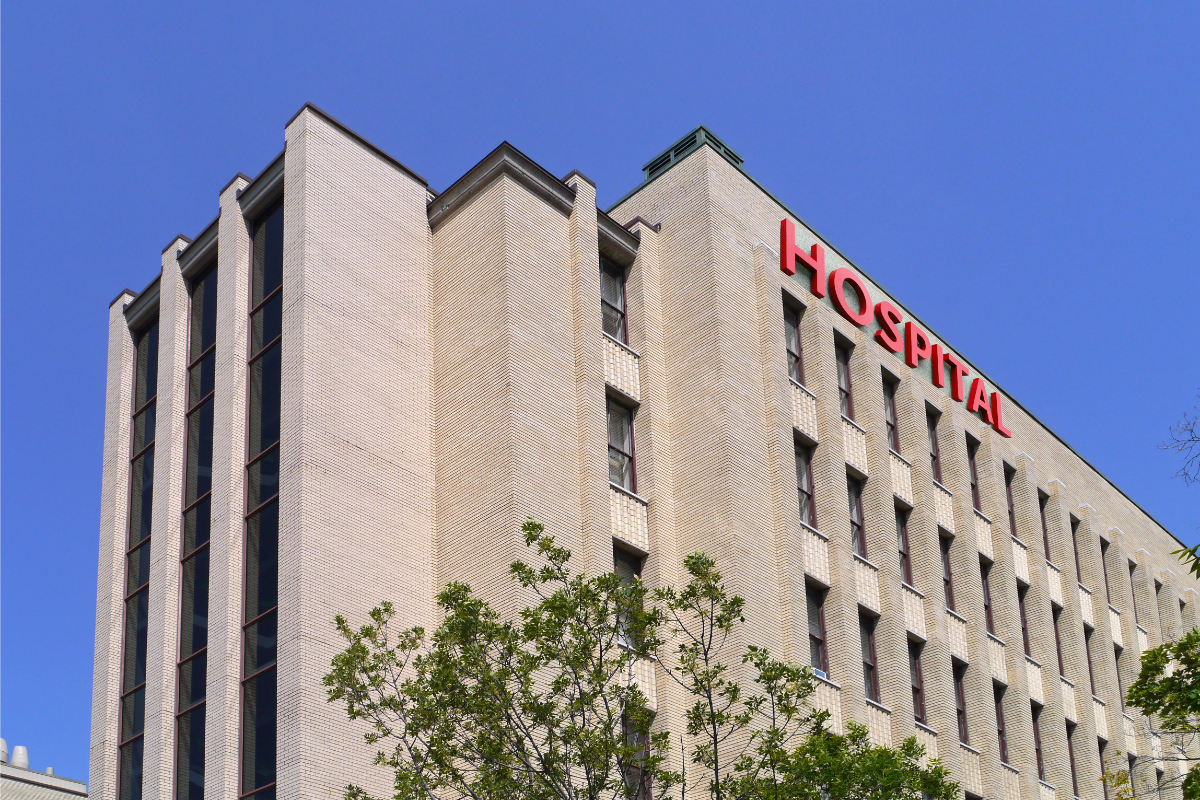
Stock image for referential purposes only
Australian-based architectural firm Billard Leece Partnership (BLP) has completed construction of the Wattle Building, which is designed to provide innovative facilities for delivering acute care services to patients at the Children's Hospital at Westmead in Sydney. Extending over 57,000 square meters, the hospital has been designed with child-friendly, state-of-the-art facilities to ensure that children can receive medical treatment in a comfortable environment.
The Children’s Hospital at Westmead has been constructed within the existing precinct of health – and education-related buildings in Sydney and has been developed to provide a new model for a hospital by providing areas within the building that support playfulness, movement and social interaction.
BLP Managing Director, Tara Veldman, stated, “The Children's Hospital at Westmead is part of a wider rethinking of paediatric environments in New South Wales, where design is understood as a critical contributor to wellbeing, dignity, family connection and quality of care.”
Unlock in-depth research into the extrusion segment of the global aluminium industry with The World of Aluminium Extrusions – Industry Forecast to 2032
The structure's outside appearance is marked by the custom-made modular aluminium and terracotta panels that wrap around the concrete structure. Twofold (folded) aluminium panels use warm orange and soft blue-grey colour themes to make a dynamic engagement with light throughout the day and illustrate the motion and colours of the nearby waterbody.
The energy-efficient building's added performance features include high-performance insulated glass and insulation that provide thermal comfort and long-term durability.
The architectural concept draws inspiration from the meeting point of the Parramatta River, Toongabbie Creek and Darling Mills Creek. This landscape narrative is expressed throughout the building using flowing forms, layered colours and organic design elements that create a calm and restorative atmosphere.
Visitors arrive through a landscaped entrance plaza featuring KidsPark, an outdoor recreation area shaded by a vibrant striped canopy supported by slender columns. Designed as a space for play and relaxation, the forecourt reinforces the hospital's goal of creating a less clinical and more welcoming environment for children and their families.
A signature feature, KidsWay, serves as an elevated circulation spine that replaces conventional hospital corridors with a gently winding pathway. Finished with aluminium battens and soft colour palettes, the route widens at key locations to provide areas for rest, interaction and views across the campus.
Explore key insights from leading companies and experts across the aluminium ecosystem with our e-Magazine - Mine to Market: ALuminium Producers & Manufacturers 2026
Accommodation for the patients has been divided into smaller "neighbourhoods," where 12 rooms make one neighbourhood. All the single-patient rooms have been designed to have a private bathroom, desk, couch, and enough space for the parents to stay with their children while being treated in the hospital.
Based on biophilic design research, the building layout promotes “natural light, access to nature, positive distraction and family-centred care environments in reducing stress and improving wellbeing,” as stated by Veldman.
Interior finishes selection balances functionality and comfort, with acoustic ceiling systems enhancing quietness and a combination of stone, ceramic tile and vinyl flooring used according to the operational needs of each space.
The Wattle Building sets a new standard for children's healthcare facilities by integrating modern architectural elements, environmentally friendly materials, and human-centred design.
Hydro highlights aluminium's role in football broadcasting and stadium infrastructure
Next articleRising copper prices accelerate shift towards aluminium wiring in automotive industry
Grow with
AL Circle