Siemens partners with DrinkPAK to automate US canned beverage facility
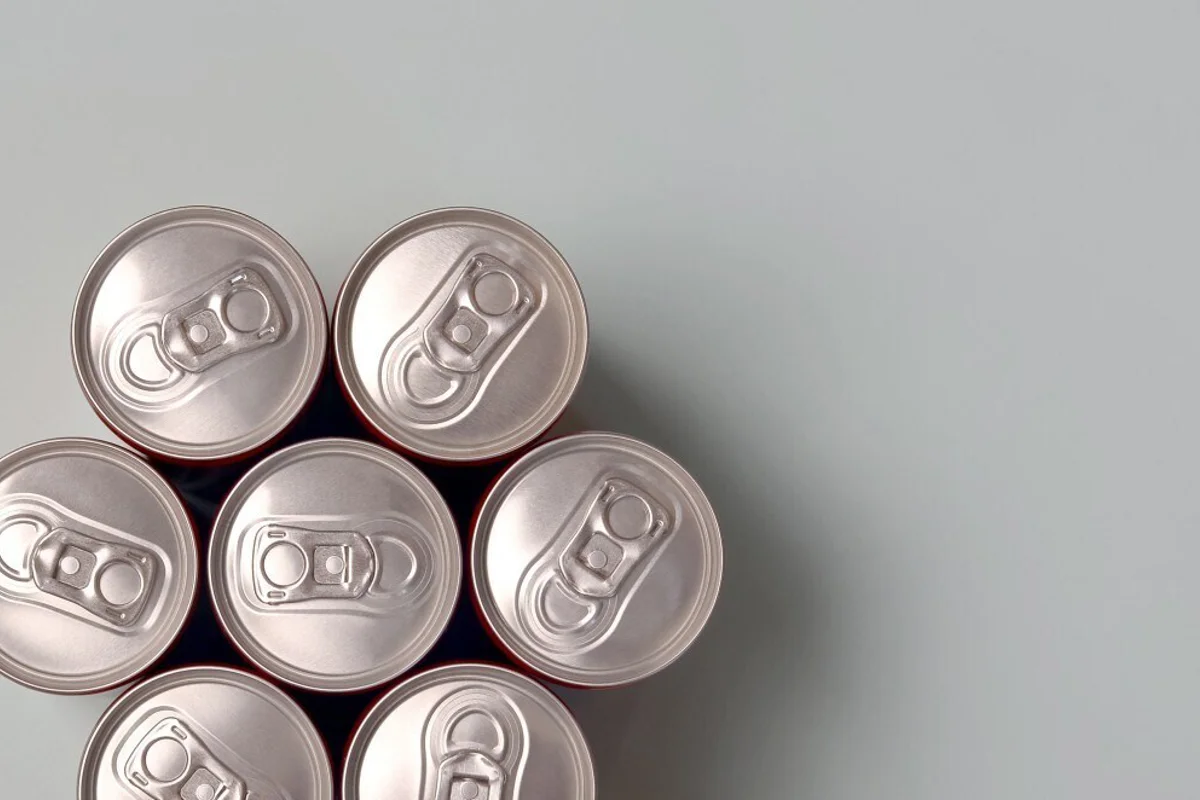
Siemens is working with DrinkPAK to automate a new can manufacturing facility in Fort Worth, Texas, as the drinks company looks to scale up production and improve efficiency.
DrinkPAK already runs large contract manufacturing sites in Santa Clarita and Fort Worth, handling batching, filling and distribution for beverage brands, with lines capable of producing up to 3,000 cans per minute. A third site in Philadelphia is also planned for early 2027, which would give it a coast-to-coast network in the US.
The Fort Worth project is where Siemens comes in. The company is providing a mix of automation systems, energy infrastructure and financing support, rather than just one piece of tech. That includes integration of its BRAUMAT system, which is used for recipe-based production and helps keep output consistent while automating processes.
For the global aluminium value-chain 2026 outlook, book our exclusive report “Global ALuminium Industry Outlook 2026"
DrinkPAK said the partnership gives it room to grow without sacrificing efficiency. Chief strategy officer Brian Aster said the flexibility and energy-focused automation were key to scaling operations.
The setup also includes programmable logic controllers (PLCs) and human machine interfaces (HMIs), which handle monitoring, controlling, and reporting in real time. Siemens supplied swithcboards, metering systems and other infrastructure to manage the power usage and also to keep operations stable.
A big part of the automation is happening inside the warehouses. DrinkPAK is using laser-guided vehicles to move pallets and manage loading, supplied by E80 Group. Siemens systems sit behind that to handle communications and coordinations so the vehicles can stay in sync with the sensors, drives and safety systems.
Don't miss out- Buyers are looking for your products on our B2B platform
Operators can track everything through the HMI layer, which gives live updates on performance and faults, helping reduce downtime and making maintenance a bit more predictable.
Chris Stevens said the idea is not just to add technology, but to connect systems so they work together, improving reliability and efficiency.
There’s also a financing element built into the deal. Oleg Rakitsky said aligning investment with performance is part of the approach, making it easier for companies to adopt these systems at scale.
Overall, the setup is meant to be integrated and scalable, with Siemens hardware used across the plant to keep everything connected, from production lines to warehouse movement, which should make operations smoother and easier to manage over time.
Must read: Key industry individuals share their thoughts on the trending topics

Double blow from the Middle East – aluminium supply disruptions and export challenges for the automobile industry
Next articleRimowa and Lehni redefine suitcase storage with aluminium precision
Grow with
AL Circle