Russian aluminium reaches the EU despite sanctions, European Aluminium warns
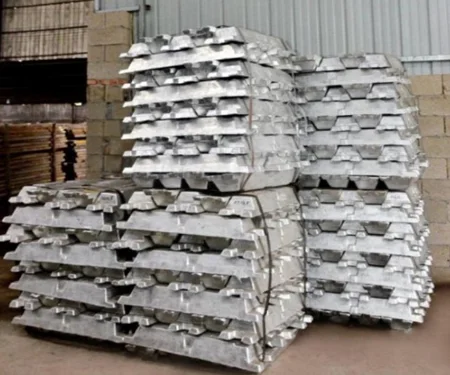
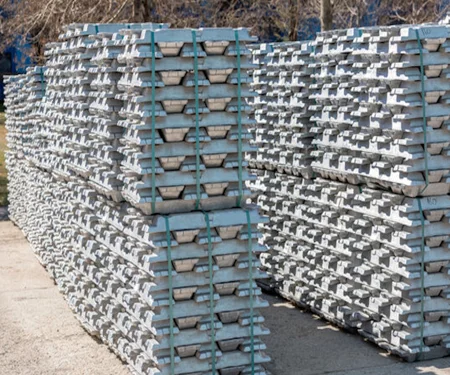
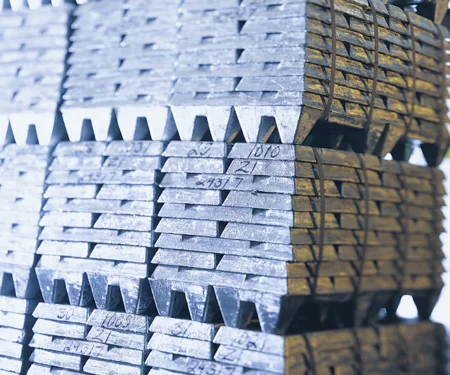
Stock image for referential purposes only
Europe's aluminium industry, European Aluminium, is urging the European Union (EU) policymakers to tighten sanctions on Russian aluminium by addressing what the association describes as a “significant loophole” that still allows Russian metal to enter the European market through third countries.
Although the European Union has already set a prohibition on direct imports of Russian primary aluminium, the industry association argues that substantial volumes continue to reach European buyers after being processed into semi-finished or finished products outside Russia.
According to a policy paper released in June 2026 under the #NoSecondPassport campaign, around USD 10 billion had reached Russia from primary aluminium exports in the previous year, with around 90 per cent of its metal now destined for non-EU markets.
Consequently, these exports continue to generate significant revenue while weakening the effectiveness of existing sanctions.
Delve deeper into the recycled aluminium and secondary aluminium market with our World Recycled ALuminium Market Analysis Industry forecast to 2032
Third-country processing creates a sanctions gap
The association highlighted that Türkiye and China were among the key destinations where Russian aluminium was available at more economic rates.
Türkiye alone sourced around 20 per cent of its primary aluminium imports from Russia in 2025, making Russia its second-largest supplier. Those shipments rose by approximately 5 per cent year-on-year and generated more than EUR 800 million (USD 914 million) in export revenues for Russia.
European Aluminium’s concern stems from Türkiye's role as the EU's largest external supplier of aluminium extrusions, accounting for roughly 55 per cent of European imports of products such as profiles, rods, bars and tubes used across the construction, automotive and industrial sectors.
In 2025, 553,379.63 tonnes of aluminium bars, rods, profiles, foil, pipes and tubes, plates, sheets and strips, tubes and wire were exported from Türkiye to Europe. The volume accounted for a massive 26.56 per cent share of Europe’s total import volume of 2,083,389.21 tonnes.
The body further argues that Russian primary aluminium can be processed into these products in Türkiye before entering the EU under Turkish origin, allowing Russian metal to effectively bypass existing sanctions.
Additionally, Russian billets exported to Türkiye were reportedly sold at around 11 per cent below comparable EU import prices during 2025, while Turkish extrusions entered the European market at prices below the EU average across several product categories.
Industry proposes stricter traceability measures
To address the issue, the European Aluminium recommends introducing an enforceable indirect ban on Russian aluminium, preventing products manufactured from Russian primary metal in third countries from entering the EU market.
The body has proposed mandatory reporting of the first and second countries of smelting together with the last country of casting, enhanced customs inspections for high-risk imports, closer monitoring of countries purchasing large volumes of Russian aluminium, and greater scrutiny of billets, extrusions and other semi-finished aluminium products.
Pressure on EU aluminium producers?
Europe’s aluminium producers source low-cost aluminium from Russia, which would have been favourable to the European industry due to the environmental regulations of the Emissions Trading System (ETS) and the Carbon Border Adjustment Mechanism (CBAM) to reduce carbon emissions from aluminium production.
Cutting off the low-cost and low-carbon raw material sources, therefore, might prove to be a highly expensive alternative.
For ethical purposes, they might keep Russian imports at bay, but in that case, sustaining with elevated prices due to the ETS and CBAM blows without the low-carbon aluminium supply from Russia.
Taking a look at the production volumes, the European total compared with the Russian cumulative has consistently fallen short, showing a picture that might be concerning for Europe’s aluminium industry:
2025 – Russia produced 3.91 million tonnes, 13.3 per cent greater than Europe’s 3.39 million tonnes
2024 – Russia produced 3.98 million tonnes, up 19.6 per cent from Europe’s 3.2 million tonnes
2023 – Russia produced 3.82 million tonnes, per cent above than Europe’s 3.17 million tonnes
Although Europe’s 2025 production figure has improved by about 5.9 per cent while Russia’s output has decreased by a modest 1.76 per cent, over the past 3 years, Russia has remained ahead in the production total by at least 10 per cent over Europe.
Middle East tensions could strengthen Russia's position
European Aluminium has also warned that continuing geopolitical instability in the Middle East, accounting for about 9 per cent of global primary aluminium production, could unintentionally increase reliance on Russian aluminium.
The situation may encourage countries like Türkiye, which sourced about 42 per cent of its aluminium ingot imports from Gulf nations in 2025, to increase purchases from Russia.
Such a shift would place additional competitive pressure on European producers that have already moved away from Russian metal while allowing Russian aluminium to continue benefiting indirectly from European demand.
On the other hand, prolonged supply disruptions or higher aluminium prices may further jeopardise Europe’s industry, having no alternative to the Gulf supplies, another source for low-carbon aluminium, other than Russia to fall back on.
Strengthening sanctions is essential to support Europe's industrial resilience, boosting clean energy technologies and critical manufacturing sectors across Europe. At the same time, finding an immediate alternative supplier to bridge the production gap may not find support from the Middle Eastern sources for the time being, leaving the European aluminium sector to grapple with carbon taxes as well as a steady flow in the aluminium supply chain.
Unlock key insights from leading companies and experts across the aluminium ecosystem with our e-Magazine - Mine to Market: ALuminium Producers & Manufacturers 2026

AD Ports Group, EGA launch $23M berth enhancement project at Khalifa Port
Next articleToZero project converts automotive aluminium scrap into 3D printing feedstock
Grow with
AL Circle