Russia captures 46% of India’s crude oil basket as June imports hit record 2.6 million bpd
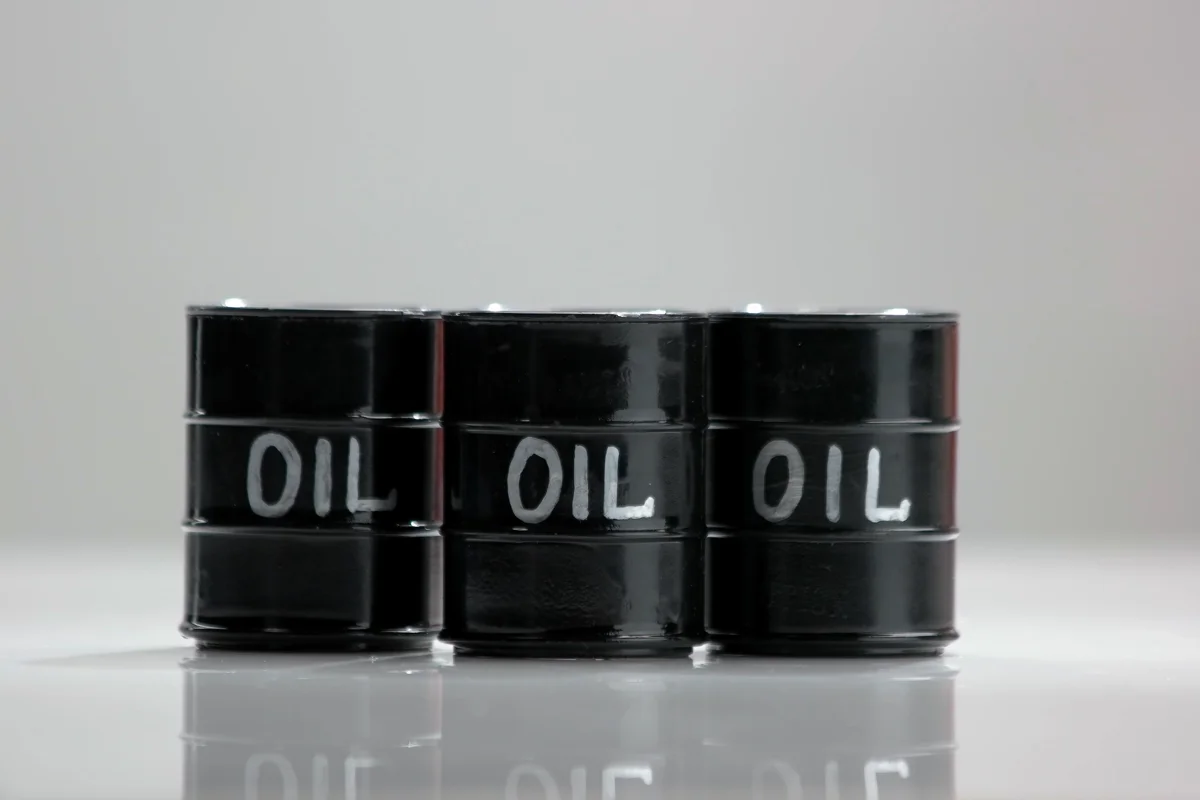
Stock image for reference only
India’s crude oil sourcing map underwent another significant shift in June, with Russian barrels accounting for nearly half of the country’s total imports. Purchases from Russia climbed 17 per cent month-on-month to a record 2.6 million barrels per day (bpd), lifting Moscow’s share of India’s crude import basket to 46 per cent.
The scale of the change is particularly striking when viewed against the pre-2022 trade pattern. Before February 2022, Russian crude typically represented less than 1 per cent of India’s oil imports. The subsequent availability of discounted barrels has rapidly repositioned Russia as the country’s dominant crude supplier, displacing traditional Middle Eastern sources.
For India, the world’s third-largest oil importer and consumer, the economics of discounted crude have been central to this shift. Indian refiners have increased their intake of competitively priced Russian oil to support refining margins, while lower-cost energy supplies have also helped contain broader energy expenses and inflationary pressures.
India’s overall crude oil imports rose 4.5 per cent from May to reach 5.6 million bpd in June. However, the changing composition of those imports reveals a deeper realignment in the country’s supply strategy.
Discover: The Gulf aluminium market risks, China impact, alumina supply, carbon costs, and logistics disruptions shaping pricing and trade in Gulf Disruption Roadmap
Iraq, once India’s leading crude supplier, slipped to second place with shipments of 995,000 bpd during the month. Saudi Arabia ranked third at 500,000 bpd. As Russian supplies expanded, the Middle East’s share of India’s total crude imports dropped to a record low of 38 per cent.
The numbers underline the continuing redirection of Russian oil flows from Europe towards Asia, where India and China have emerged as major buyers. For Indian refiners, access to discounted crude has created a favourable operating environment, particularly for companies such as IOC, BPCL, HPCL and Reliance, by supporting refining margins and helping maintain stability in domestic fuel pricing.
However, the growing concentration of Russian crude in India’s import basket also increases exposure to geopolitical and supply-chain risks. Any tightening of Western sanctions, the threat of secondary sanctions from the US or EU, or disruptions to payment and settlement channels could affect supply continuity. In such a scenario, Indian refiners could be pushed towards relatively more expensive crude grades from the Gulf and Africa.
With Russia now supplying 46 per cent of India’s imported crude, the June figures indicate that discounted oil has moved beyond being a short-term purchasing opportunity. It has become a major factor reshaping India’s energy sourcing mix, refinery economics and its long-established crude trade relationships.
Unlock key insights from leading companies and experts across the aluminium ecosystem with our e-Magazine - Mine to Market: ALuminium Producers & Manufacturers 2026
Iluka secures long-term rare earth concentrate supply from VHM's Goschen project
Next articleVedanta Aluminium conducts emergency mock drill at Jharsuguda hydrogen plant
Grow with
AL Circle